As geopolitical tensions continue to escalate, maritime markets in the Middle East brace for a lengthy period of disruption. Analysts highlight that political maneuvers, combined with vessel attacks and trading complications, are reshaping the trade flow in this critical region.
Ongoing U.S.-Iran Conflict
The U.S.-Iran conflict, which has now extended over 173 days, continues to influence the market dynamics. Richard Meade, editor-in-chief of Lloyd’s List, noted that the geopolitical landscape is compelling industry stakeholders to anticipate long-term disruption. With the expiration of the Memorandum of Understanding, U.S. President Donald Trump has increased economic pressures on nations engaging with Iran. According to Dina Arakji, an analyst at Control Risks, a conclusive agreement between the U.S. and Iran is unlikely to materialize any time soon, marking a continued strategic standoff.
Market Responses and Tactical Adjustments
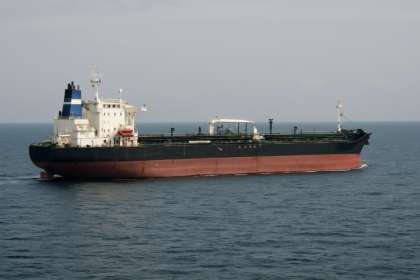
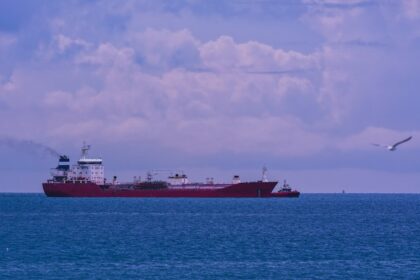
In light of the ongoing crisis, the UAE has suspended trade with Iran following repeated missile attacks, further complicating the maritime landscape. Analysts suggest that military escalation has dialed down temporarily, but the potential for periodic conflict remains, driven by resource constraints on the U.S. and Gulf allies. Maritime intelligence has reported a significant change, with no Iran-linked Very Large Crude Carriers (VLCC) completing transits for four consecutive weeks. Bridget Diakun, maritime intelligence director for Lloyd’s List Intelligence, provided essential insights, noting a 50/50 split of vessels entering and exiting the Strait of Hormuz. She emphasized the challenges posed by a lack of accurate information, with many vessels transiting ‘dark’ at night, clouding operational visibility.

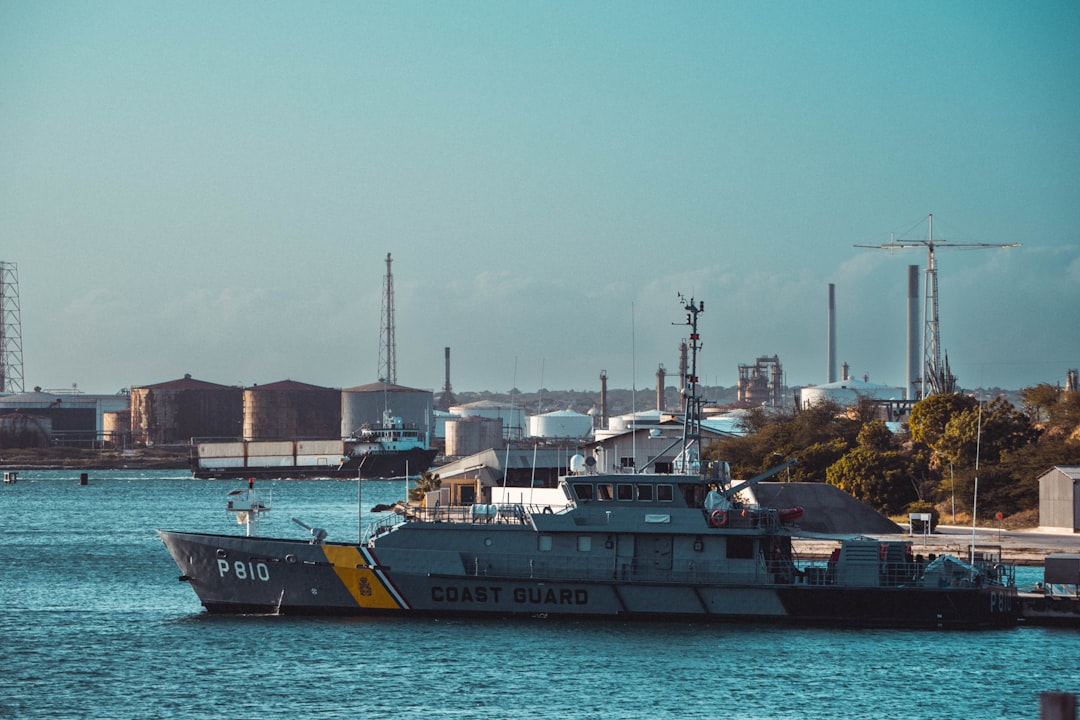
Operators are adapting to these challenges, with companies like Saudi Aramco and Adnoc turning to ship-to-ship transfers and rerouting exports through Egypt’s Sidi Kerir Mediterranean terminal. The situation is further complicated by the reported lack of alignment between data provided by U.S. military sources and real-time maritime movements.
The Operational Read
The continued geopolitical tensions in the Middle East are redefining operational strategies for shipping companies. With the risk of military confrontation remaining on the horizon, operators must enhance logistical flexibility and consider alternative supply routes to mitigate disruptions. The use of ship-to-ship transfers and rerouting through less congested ports will likely gain traction as operators navigate a landscape characterized by uncertainty. Moreover, the intelligence deficit concerning vessel movements necessitates improved tracking methods and data-sharing agreements. Stakeholders should prepare for potential volatility, as the operational environment remains fluid and challenging.