Update 15 Oct 2026, 14:33 UTC:
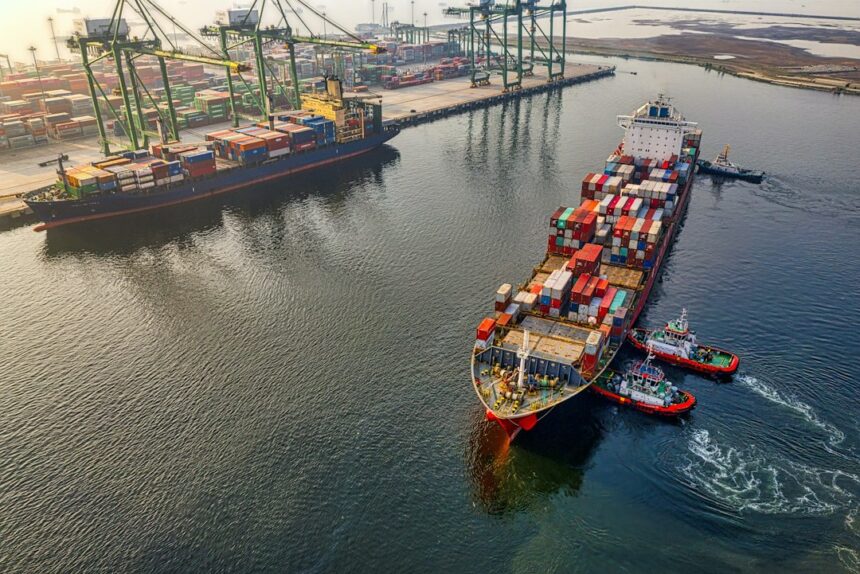
Disruptions resulting from the ongoing conflict in the Middle East are increasingly fragmenting the ship fuel market. Shipowners must now navigate complications in procurement as traditional refueling ports are bypassed, particularly in regions around the Strait of Hormuz and the Red Sea. Frederik Guttormsen, Asia Pacific president at Stolt-Nielsen Ltd., noted that securing fuel has shifted to a more proactive approach.
Shifting Bunkering Hubs
With tensions on the rise, vessels are taking longer routes, often diverting around Africa and heading toward the Atlantic Basin. This change has led to the emergence of new bunkering hubs as operators seek reliable supply amid escalating fuel prices. Locations like Port Louis in Mauritius, South Africa, West Africa, Brazil, Sri Lanka, and Pakistan are seeing spikes in demand due to reduced confidence in established markets such as Fujairah, located on the eastern coast of the UAE.

At the Sibcon shipping conference in Singapore, industry leaders discussed the fragility of supply chains. Guttormsen emphasized that the market dynamics mean operators can no longer approach bunkering with the typical immediacy. He highlighted the importance of planning fuel procurement timelines to account for both availability and pricing volatility.
Quality Control and Market Risks
The shift to less familiar ports does not come without risks. Kenneth Dam, executive director and global head of bunkering at TFG Marine, pointed out that smaller or less reputable sellers may emerge, creating discrepancies in fuel quality and pricing. Factors influencing these disparities include sourcing methods, access to high-quality feedstocks, and compliance with stringent service standards.
Fuel procurement has now become a more regimented process, as shipowners balance the need for cost-containment with the imperative of securing reliable supplies. Peter Grünwaldt, head of bunkering at Hafnia Ltd., noted that increasing disruptions require flexible and diversified fuel strategies. Ships are refueling with smaller volumes to minimize exposure to any single price point.
The Operational Read
The geopolitical landscape in the Middle East significantly impacts maritime operations, compelling shipowners to adapt rapidly to a fragmented fuel market. The reliance on alternative bunkering hubs raises questions about the reliability and quality of fuel, requiring operators to engage in rigorous supplier verification processes. As intercontinental routes shift, the risks associated with procurement and quality control become paramount. Monitoring developments in fuel pricing and availability will be critical for operators and charterers navigating this volatile market environment.