Update 17 Oct 2026, 14:32 UTC:
The Latvian government is advocating for a comprehensive ban on the transit of Russian grain through Baltic ports, a move it believes could press Moscow to reopen essential grain trading routes in the Black Sea. Prime Minister Andris Kulbergs articulated this position during an interview in Brussels on Friday, highlighting the interconnectedness of grain trade and Ukraine’s economic stability.
Escalating Tensions in the Black Sea
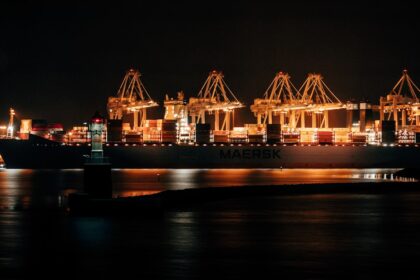
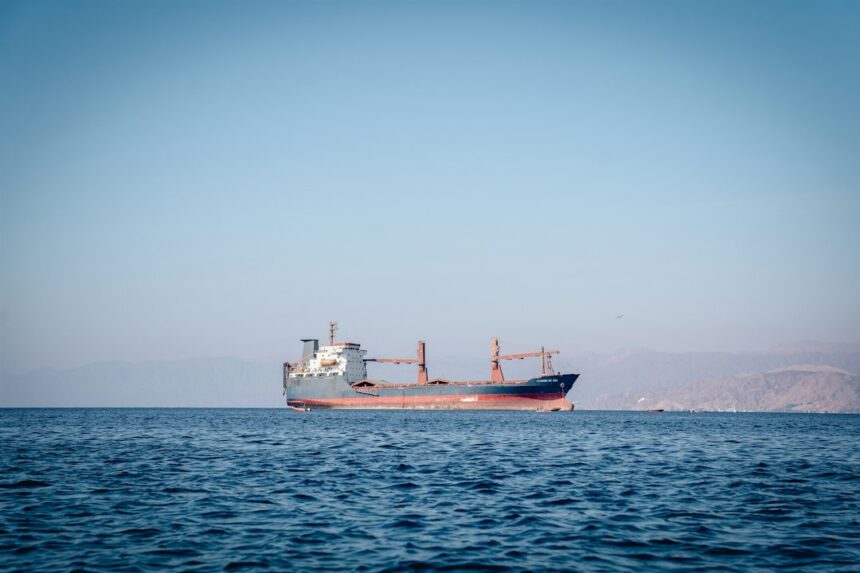
Ongoing military actions between Russia and Ukraine have led to significant disruptions in Black Sea shipping. Both nations have engaged in attacks on each other’s ports and shipping infrastructures, sharply reducing the export capacities for critical commodities like grain. As a result, Russia has shifted some of its grain shipments to Baltic ports via rail, a decision that has sparked criticism and concern among Baltic nations that are members of both the European Union and NATO.


Prime Minister Kulbergs voiced that pressing the right economic measures against Russia would be vital for Ukraine, especially as the country faces a harsh winter ahead. “It’s needed that we put the right pressure in order for Russia to understand that they need themselves to open the Black Sea,” he stated, emphasizing the need for stronger European cohesion in response to the situation.
The Economic Stakes
Ukraine’s capability to sell grain is now seen as a crucial factor in mitigating the financial challenges it is poised to encounter this winter. Disruptions in grain exports not only affect Ukraine’s economy but also have broader repercussions for global food supply chains. With the EU considering measures to restrict Russian grain transit, the timing is critical for Ukraine to regain access to international markets.
Latvian officials have raised concerns about potential litigation risks associated with unilateral sanctions by Baltic states, underscoring the importance of a coordinated EU response. Calls have gained traction for establishing an EU-wide ban reflecting the collective interest of Baltic countries, which pursue both economic stability and regional security amid increasing tensions.
Operational Implications
For shipping operators, the shifting dynamics of grain transport in the region highlight not only the need for regulatory alignment among EU nations but also the ongoing vulnerabilities inherent in logistics due to geopolitical tensions. Vessel operators and charterers must be vigilant regarding emerging risks associated with transit through affected regions. The uncertainty created by potential sanctions and rerouting of cargoes could lead to increased operational complexities, while market fluctuations in grain prices could impose significant challenges for stakeholders across the supply chain.
Behind the Headline
The ongoing situation develops against a backdrop of heightened geopolitical tension and economic instability in Ukraine. The proposal for an EU-wide ban on Russian grain transit via Baltic ports reflects a strategic effort to leverage economic levers in favor of Ukraine, with implications for regional trade and shipping. Operators should monitor developments closely, as potential sanctions could redefine logistics strategies. The urgency in dialogue among Baltic states serves as a reminder of the intricate connections between maritime operations and international relations, requiring proactive engagement to navigate risks effectively.