Mental Health Support Solutions (MHSS), a member of OneCare Group, has highlighted a critical gap in the maritime industry: the lack of universally recognized standards for psychological support for seafarers. This announcement comes on the heels of their recent online maritime psychology masterclass designed to equip mental health professionals with essential skills tailored to the unique challenges faced at sea.
The Need for Psychological Support
Despite significant improvements in physical health and safety standards due to international regulations, there is an absence of a consistent framework guiding the delivery of psychological support in the maritime sector. MHSS aims to address this concern by providing training that emphasizes the operational realities encountered by crews aboard vessels. The program tackled complex issues such as multicultural crew dynamics, fatigue, trauma from on-the-job experiences, chemical exposure, and crisis management.
Key Insights from the Masterclass
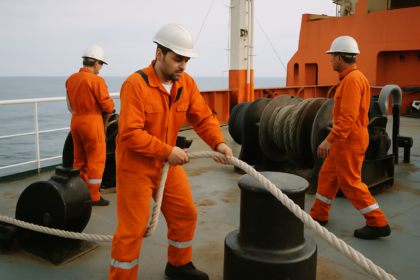
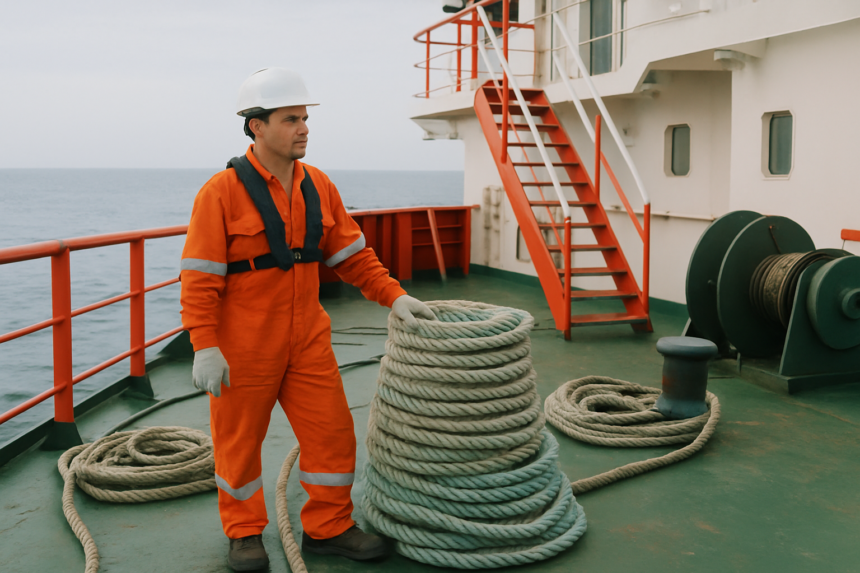
Led by MHSS Clinical Psychologist Luca Hütter and supported by industry experts like Charles Watkins and Stella Kiss, the masterclass focused on imparting vital maritime knowledge to psychologists. Participants were exposed to the intricacies of shipboard life, recognizing that support services must align with the unique pressures that seafarers experience, including prolonged isolation and the confines of living onboard for extended periods.

More Read

Hütter emphasizes the need for mental health professionals to grasp the maritime environment’s specifics fully: “Supporting people at sea requires more than clinical expertise alone. Mental health professionals need to understand the operational realities of vessels, onboard hierarchies, and the unique pressures that come with living and working at sea for extended periods.”
Towards Industry-Wide Standards
Recognizing the diversity among seafarers, including cultural differences, identity issues, and fears of discrimination, the masterclass also made clear the importance of flexibility in mental health support approaches. Each crew member’s background significantly influences their attitudes toward mental health and help-seeking behaviors. This individualized approach is essential for effective assistance.
MHSS asserts that to achieve meaningful improvement in psychological support standards, greater collaboration is vital among shipping companies, crewing teams, healthcare providers, welfare organizations, and mental health professionals. Stella Kiss articulated the necessity for the industry to establish more consistent standards, stating, “As an industry, we must work together to create pathways to care that adequately address the needs of every seafarer.”
Why It Matters
The absence of industry-wide standards for mental health support in maritime operations poses significant risks not only to the wellbeing of individual seafarers but also to overall operational efficiency and safety at sea. As the maritime sector increasingly acknowledges the importance of mental health, the establishment of a structured framework will likely enhance support networks, improve crew morale, and ultimately lead to better performance across operations. Continuous dialogue between stakeholders is essential to bridge this gap and ensure that psychological support services are relevant, trusted, and accessible to all crew members, fostering a healthier maritime workforce moving forward.