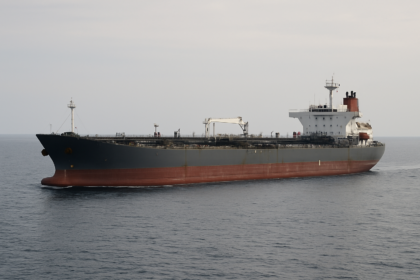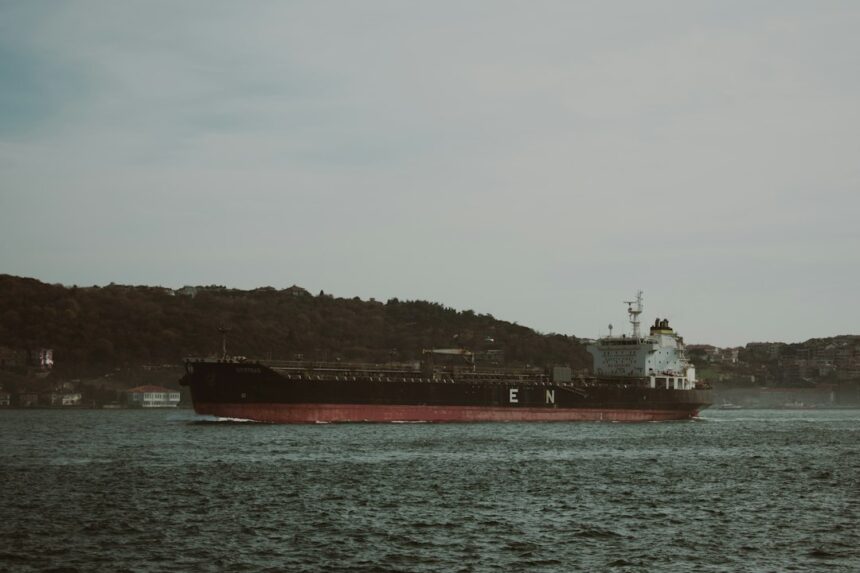
On Thursday, the United States implemented sanctions against 22 tankers and multiple individuals and companies associated with Iran’s oil trade, an extension of ongoing efforts to diminish Tehran’s petroleum revenues in light of a significant naval blockade that limits Iranian exports.
Details of the Sanctions
The U.S. Department of the Treasury designated 17 vessels and their associated companies under the mandate of Operation Economic Outcast. Additionally, the U.S. State Department imposed sanctions on another five vessels, alongside ten entities and six individuals engaged in trading Iranian petroleum and petrochemical products.
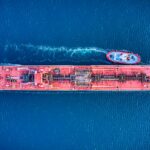
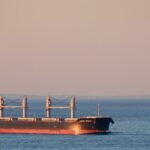
The sanctions effectively neutralize a substantial portion of Iran’s shadow fleet, which has included aging tankers and various offshore companies meticulously structured to facilitate the export of billions of dollars worth of oil and petroleum products, despite long-standing U.S. sanctions.

Treasury Secretary Scott Bessent emphasized that these measures are pivotal in constraining the financial resources available to the Iranian regime for military operations within the region. He stated, “Treasury is starving the tyrannical regime in Tehran of the money it uses to wage war in the region, and we will continue exposing those who enable the regime’s oil sales.”
Impact on Market Dynamics
The sanctions encompass vessels operating under flags from over a dozen jurisdictions, with ownership distributed among companies registered in locations such as the Marshall Islands, Hong Kong, China, and the British Virgin Islands.
Among the notable vessels reported in the recent sanctions is the Cameroon-flagged crude oil tanker SHENZHEN (IMO 9276561), which has allegedly transported over 3.5 million barrels of Iranian crude since November 2025. Another significant vessel, the Vanuatu-flagged TINA 5 (IMO 9237761), reportedly moved more than 1.5 million barrels of Iranian crude in August alone. Furthermore, the Panama-flagged STARWAY (IMO 9273246) has transported over three million barrels of Iranian naphtha since 2025.
Ongoing Challenges and Considerations
The U.S. Treasury’s latest actions are anticipated to significantly curtail the channels Iran has traditionally used to circumvent sanctions and generate revenue from oil and petrochemical exports. However, maritime tracking specialists, including TankerTrackers.com, noted that approximately 173 Iran-linked tankers are believed to remain exempt from U.S. sanctions, pointing to the complexity of enforcing such measures.
Despite assertions from Treasury regarding the neutralization of Iran’s shadow fleet, it remains challenging to ascertain how extensively these sanctions have dismantled Iran’s broader tanker network. The shadow fleet’s nature is fluid, characterized by the frequent movement of vessels in and out of the network.
Behind the Headline
The recent sanctions underscore the importance of keeping trade routes clear of vessels linked to Iran’s oil exports. For operators and charterers, navigating the evolving regulatory landscape while minimizing exposure to sanctions will be critical. It will be essential to monitor the operational details of affected vessels and the overall ramifications on international oil markets as additional enforcement measures may be forthcoming. Observers should pay attention to potential shifts in trading patterns among tankers linked to Iranian oil, as well as how remaining operational vessels may adapt to these restrictions.