Update 28 Oct 2026, 20:34 UTC:
The ports of Los Angeles and Long Beach have identified liquefied natural gas (LNG) and methanol as the leading alternative marine fuels, according to a recent study aimed at reducing emissions in one of the world’s busiest port complexes. This assessment, part of a broader Green Shipping Corridor initiative, investigates potential demand and necessary infrastructure to support cleaner shipping operations.
Study Findings
The joint Clean Marine Fuel Feasibility Assessment indicates that annual LNG demand at the San Pedro Bay ports could range between 65,000 and 115,000 metric tons by 2030, while methanol demand is projected to be between 64,000 and 250,000 metric tons. These figures depend on market dynamics and the deployment of dual-fuel vessels capable of utilizing these alternatives to conventional marine fuels.

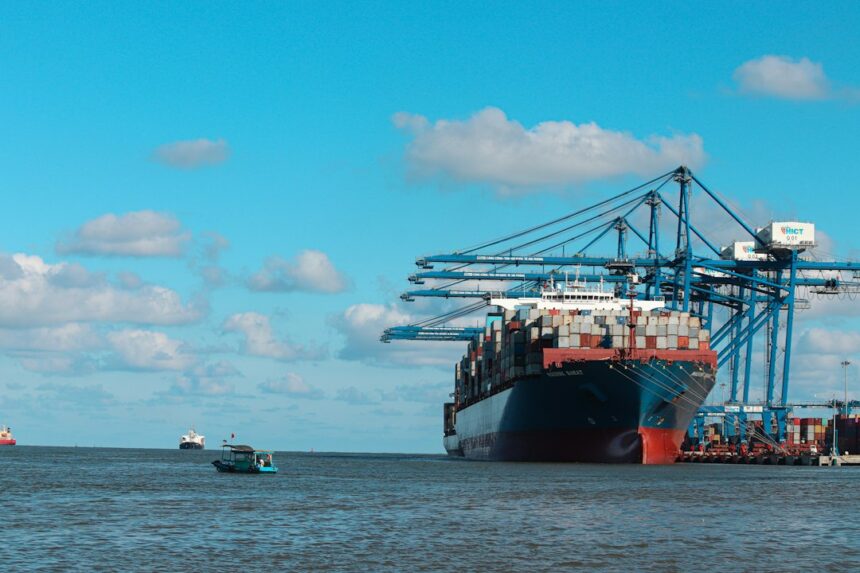
As approximately 4,000 vessels call at the two ports yearly, the move towards cleaner fuels is pivotal for achieving the emission reduction targets set forth in the port complex’s Clean Air Action Plan.
Investment Strategies
The study suggests a phased approach to infrastructure investments, leveraging existing facilities to support the adoption of alternative fuels without the immediate need for large-scale developments. For methanol, much of the required storage and distribution infrastructure is already available and could be adapted to marine fueling, potentially minimizing upfront costs.
Regarding LNG, the report advocates utilizing current ship-to-ship bunkering methods in lieu of establishing major new storage facilities, which aligns with maintaining operational efficiency while implementing cleaner fuel standards.
Environmental Considerations and Future Developments
Despite the potential benefits of LNG and methanol in reducing emissions, the environmental impact varies significantly based on production methods and feedstocks. The assessment emphasizes that the success of cleaner marine fuels hinges on fuel prices, regulatory frameworks, and commitments from shipping companies.
Recognizing the importance of collaborative efforts, the ports continue to advance their Green and Digital Shipping Corridor agreement with Singapore, focusing on alternative-fuel bunkering projects and international connectivity.
Behind the Headline
This initiative underscores the urgency of transitioning to cleaner fuels in maritime operations, particularly in port environments where emissions significantly impact air quality. The proposed phased strategy aims to balance immediate operational needs with long-term environmental objectives. As shipping lines increasingly invest in dual-fuel capabilities, the market dynamics around fuel sourcing and pricing will become critical. Industry stakeholders should monitor regulatory developments and pilot projects that emerge from these proposals, as they will influence the timeline and viability of LNG and methanol as mainstream shipping fuels.