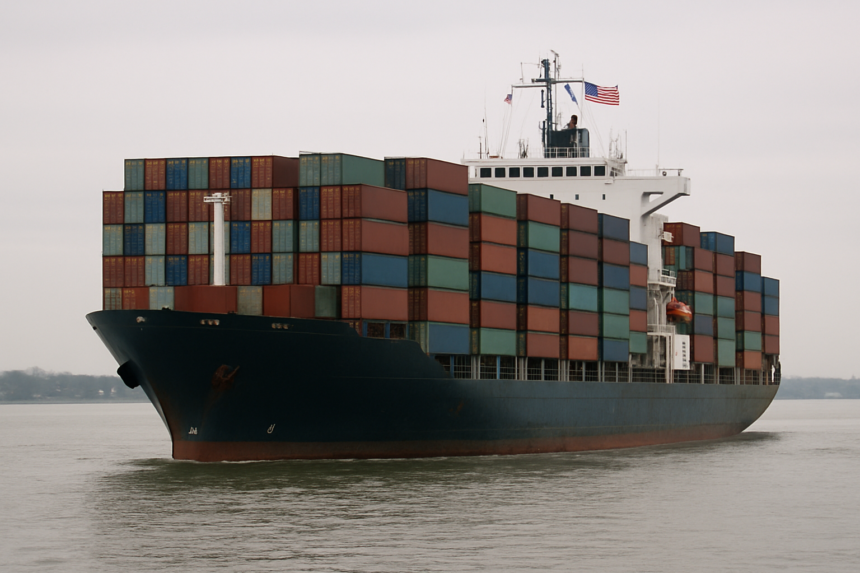
U.S. maritime labor leaders have renewed their calls for the Trump administration to end its emergency waiver of the Jones Act, coinciding with the law’s 106th anniversary on Friday. They argue that the waiver program undermines American mariners and domestic shipping companies while hindering efforts to revitalize the nation’s maritime industry.
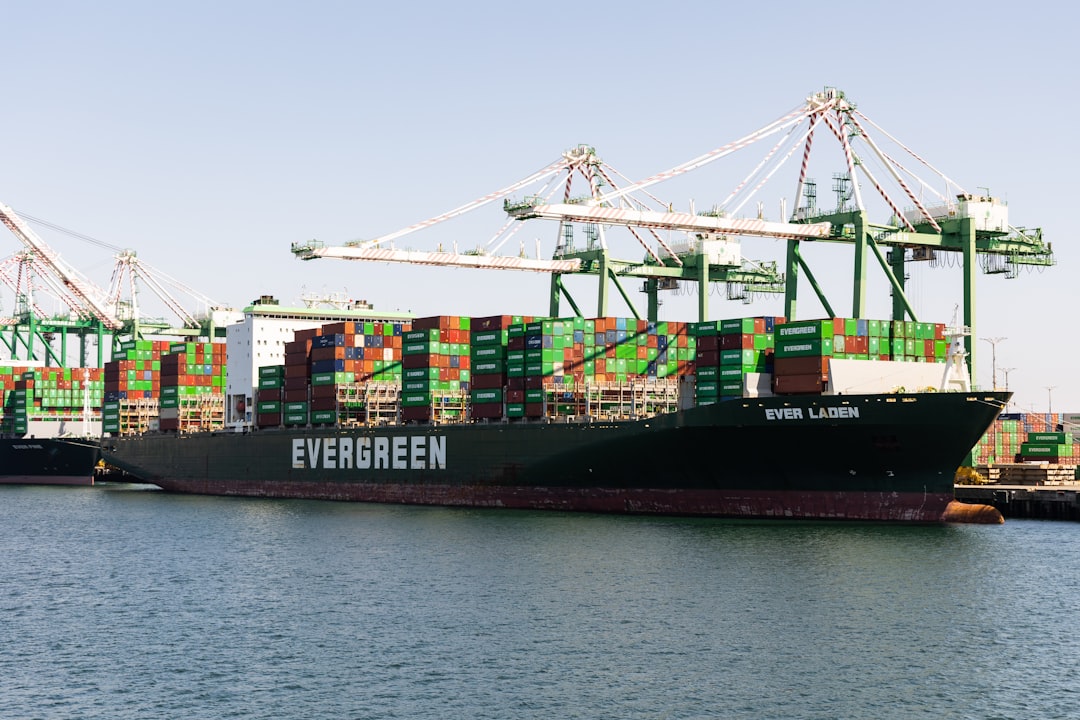
The Jones Act, established through the Merchant Marine Act of 1920, mandates that cargo transported between U.S. ports must be carried by vessels built in the United States, owned by U.S. citizens, operated by U.S. companies, and crewed primarily by American mariners. In a statement celebrating the law, AFL-CIO Transportation Trades Department President Greg Regan and Secretary-Treasurer Shari Semelsberger praised the Jones Act as vital to the U.S. maritime sector. However, they expressed strong criticism of the administration’s continued waivers, which they contend compromise both maritime jobs and national security.
The Waiver Program
The emergency Jones Act waiver was initially issued in March in response to energy market disruptions stemming from the closure of the Strait of Hormuz. The waiver permits foreign-flag vessels to transport certain energy-related cargoes between U.S. ports, which typically would be restricted to Jones Act-compliant vessels. Since then, reports from the Maritime Administration indicate that at least 88 foreign-flagged voyages have utilized the waiver, transporting crude oil, gasoline, diesel, and other energy commodities across various U.S. maritime routes.

More Read

These operations have included shipments linking California’s refineries and fuel terminals, as well as movements between Gulf Coast and East Coast energy markets. Labor leaders contend that this extensive use of foreign-flag vessels undermines the domestic maritime industry’s operational integrity.
Industry Response and Concerns
Critics of the Jones Act waiver highlight that its ongoing application challenges the fundamental objectives of the legislation. They argue that it has failed to alleviate fuel costs as originally intended. Instead, they say, it prioritizes foreign operators over American maritime workers and raises security risks for the nation.
The AFL-CIO’s remarks align with a growing coalition of maritime organizations, including the American Waterways Operators and the Seafarers International Union, who are advocating for an end to the exemption. This coalition cites the recently disclosed data from the Maritime Administration, indicating that the waiver’s implementation has strayed from its initial emergency focus, facilitating a broad range of commercial petroleum and industrial commodity shipments by foreign-flagged vessels.
As the debate continues, operators need to remain aligned with the regulatory landscape, given that waivers tied to energy security and supply chain logistics could impact future operational choices and cost structures in the U.S. maritime sector.
Why It Matters
The ongoing debate surrounding the Jones Act waiver holds significant implications for the U.S. maritime landscape. For operators and crews, the reliance on foreign-flag vessels can undermine job security and hinder skill development within the domestic workforce. Furthermore, as calls for policy reconsideration gain traction, the broader implications for national security and economic sovereignty may influence future legislative actions. Stakeholders must monitor potential shifts in policy that could directly affect operational practices, overall market stability, and employment in the sector.