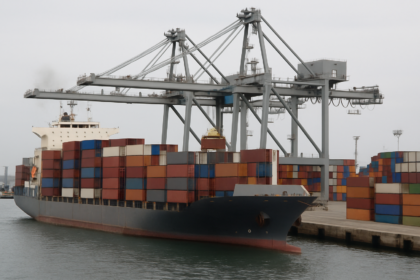



China’s COSCO Shipping Bulk has enhanced its fleet capabilities by signing a contract for the construction of 16 multipurpose grain carriers at Fujian Shipbuilding. This order, part of a larger newbuilding initiative, highlights COSCO’s commitment to expanding its presence in the dry bulk market, particularly for grain transportation.
Fleet Expansion and Specifications
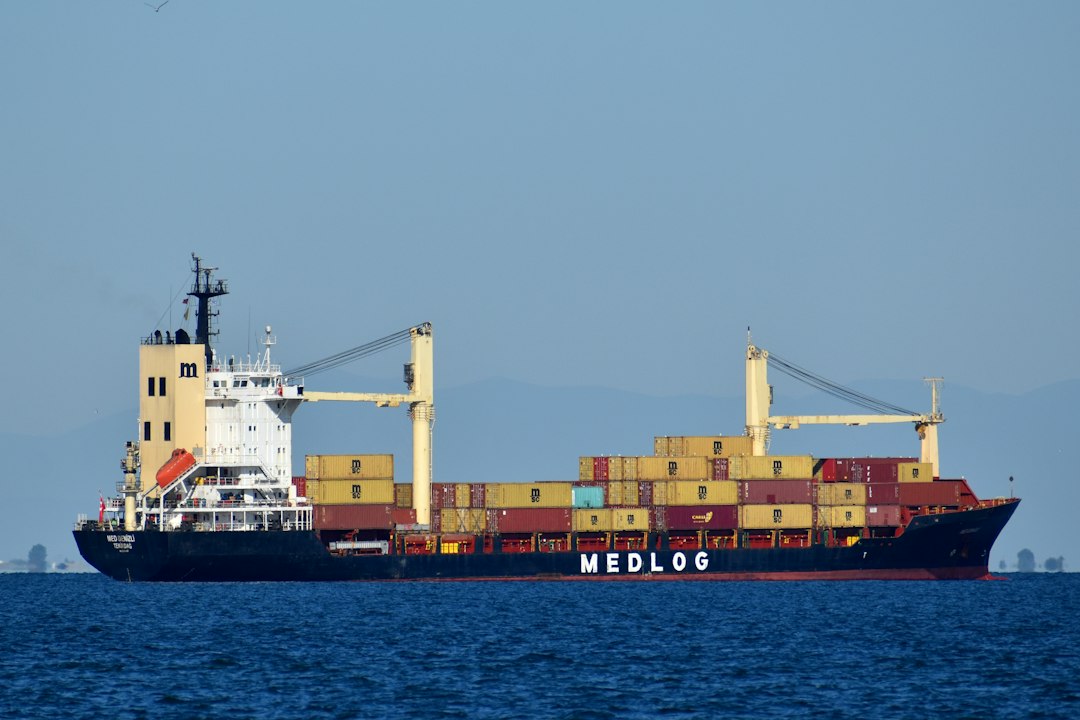
The newly contracted vessels are designed with a deadweight tonnage (dwt) of 87,000, reflecting a strong capacity for transporting grain and other bulk commodities. COSCO Shipping Bulk’s decision to invest in these ships marks a strategic move to bolster its overall shipping capabilities amid increasing global demand for grain transport, fueled by factors such as rising food security concerns and growing agricultural output.
Financial Backing
The financing structure for this significant acquisition involves collaboration with three Chinese financial leasing companies. Notably, ICBC Financial Leasing is backing 11 of the 16 newbuilds, providing essential capital support for the construction. Zheyin Financial Leasing is also contributing to the financing of the project, indicating a robust partnership framework within China’s financial sector that supports maritime ventures.


This order signifies not only COSCO’s expansion strategy but also the continuing trend of leveraging financial leasing solutions to facilitate vessel acquisition in the shipping industry. Leasing arrangements are becoming increasingly favored as companies aim to optimize cash flow while enhancing fleet capabilities.
Market Implications
The addition of these new grain carriers positions COSCO Shipping Bulk to take advantage of current market conditions, possibly enhancing its competitive edge against other dry bulk operators. As agricultural demand fluctuates globally, having a fleet of modern, efficient carriers is crucial for maintaining service quality and operational efficiency.
Behind the Headline
The strategic order of 16 new grain carriers by COSCO Shipping Bulk underscores a significant shift in the dry bulk market, where operational efficiency and fleet capability are paramount. For operators and charterers, this development may suggest forthcoming competition in grain shipping rates. Keeping an eye on forthcoming deliveries and operational readiness of these vessels will be critical, as the influx of new tonnage could alter market dynamics. Companies must also monitor potential shifts in leasing and financing arrangements, as these partnerships could set new precedents for maritime funding.