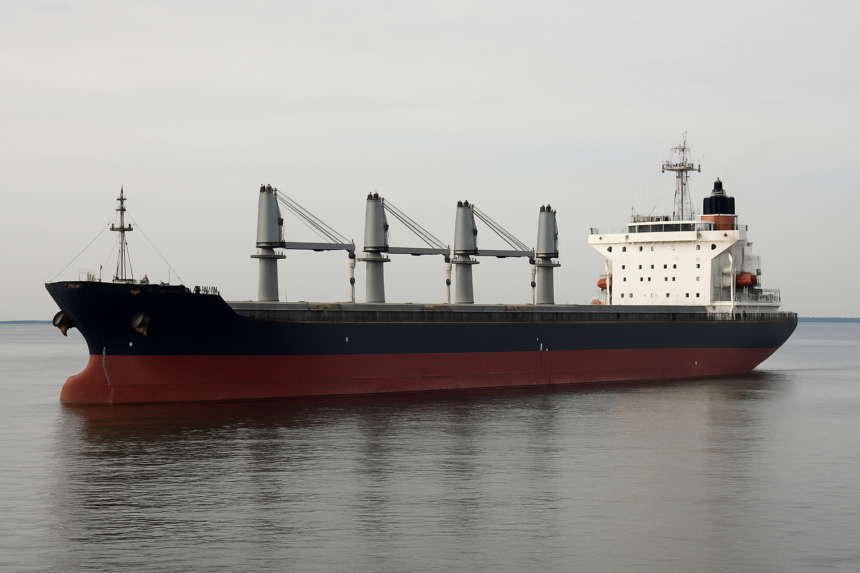
Seatankers Management, backed by prominent shipping investor John Fredriksen, has significantly expanded its Newcastlemax programme by securing an additional four bulk carriers. This new order at Dajin Heavy Industry, an emerging shipbuilder in China, reflects a robust commitment to increasing capacity in the large bulk carrier segment.
The Newbuild Orders
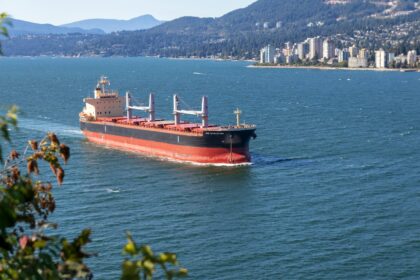
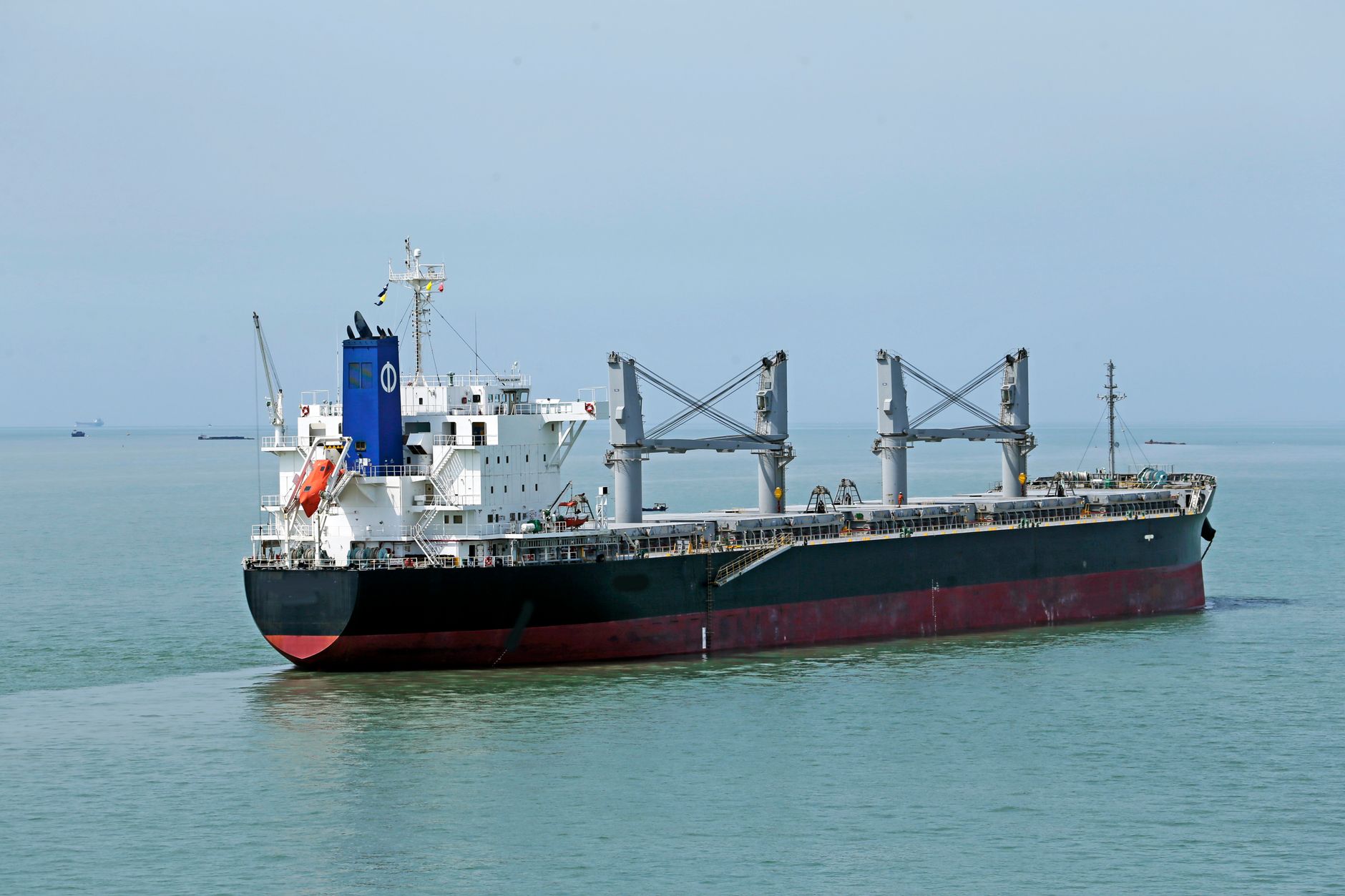
With the latest options exercised, Seatankers now holds a total of eight Newcastlemax vessels on order at Dajin Heavy Industry. Each newbuild will have a deadweight tonnage (dwt) of 210,000, positioning them among the largest bulk carriers in terms of size. This expansion indicates a strategic response to anticipated demand increases in the bulk commodities market.
Market Context
The decision to enhance the orderbook comes amidst growing optimism regarding trade volumes and transport demands for commodities such as iron ore and coal. As the global economy continues to recover, operators within the shipping industry are exploring avenues to bolster their fleets. The move by Seatankers is aligned with broader trends where shipping companies are increasingly investing in larger vessels that promise greater efficiency.


Operational Considerations
For operators, the addition of new Newcastlemax vessels is set to enhance operational capabilities, allowing for improved economies of scale. Larger vessels typically result in lower transportation costs per ton, which can be appealing for charterers. Significant attention will be required during the construction phase to ensure that the vessels meet all regulatory standards and are outfitted with modern technologies for fuel efficiency and emissions control.
Behind the Headline
This strategic expansion by Seatankers underscores the increasing focus on maximizing operational efficiency in the shipping sector. Newcastlemax vessels, given their significant deadweight capacity, offer substantial advantages in terms of freight economics. As shipping operators navigate fluctuating market conditions, the ongoing commitment to newbuilds demonstrates a proactive approach to fleet optimization. It will be crucial to monitor how these new vessels integrate into the global supply chain, particularly in light of potential shifts in trade patterns and environmental regulations.