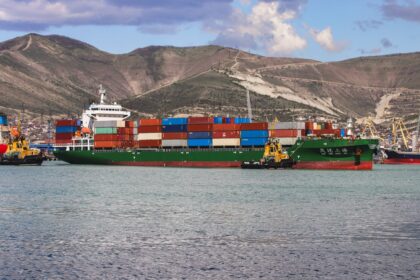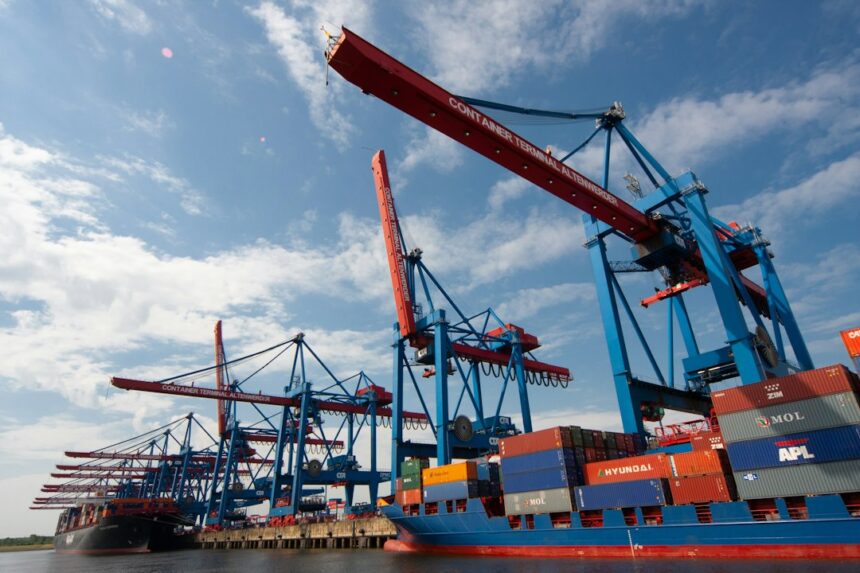
Hapag-Lloyd has announced the suspension of new bookings to Manila, Batangas, and Subic Bay until the end of December. This strategic decision is a direct response to worsening port congestion and a critical shortage of empty-container storage capacity impacting supply chains throughout the Philippines.
The Suspension Details
Beginning September 29, the German carrier ceased accepting bookings from all origins and trade lanes directed to these vital maritime gateways. This comprehensive suspension highlights the urgency of the situation as congestion levels at these ports remain severe.
Underlying Causes
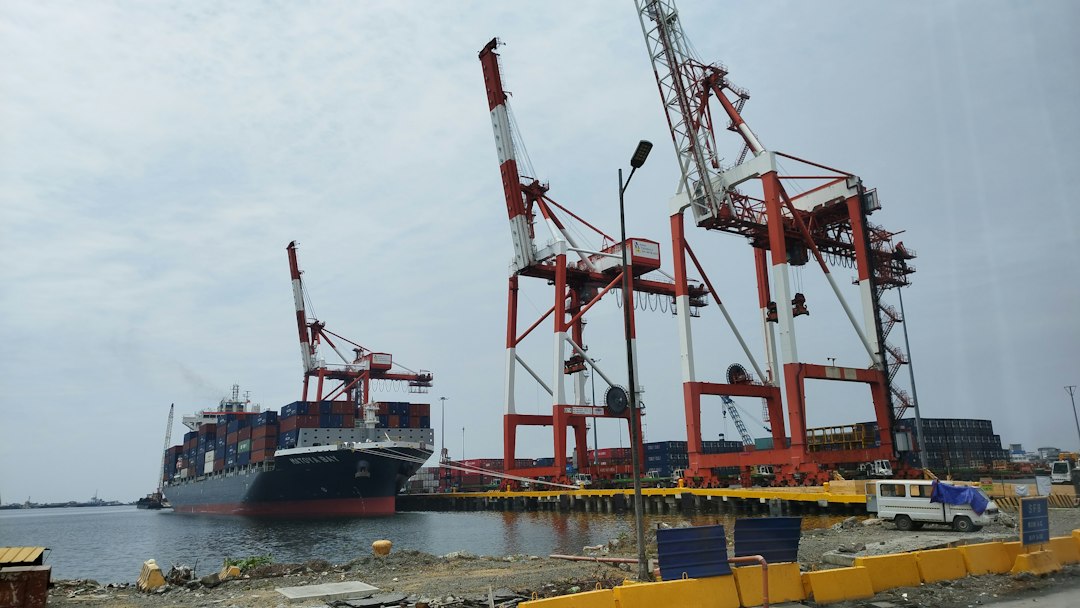
Port operations in the Philippines have been hampered by a chronic lack of empty-container storage, which has exacerbated delays and reduced the efficiency of supply chains. The issue of limited storage capacity affects not only shipping lines but also local importers and exporters who rely on timely deliveries. This operational strain is causing longer turnaround times and has the potential to disrupt the continuity of goods flow.

More Read
Industry Reactions and Next Steps
As Hapag-Lloyd’s suspension creates a ripple effect across various stakeholders in the shipping and logistics sectors, local operators are actively seeking alternative routing options and solutions to mitigate the adverse impacts on their operations. The prolonged congestion raises questions about the resilience of the current logistics framework in the region.
Behind the Headline
The decision by Hapag-Lloyd to halt bookings signals a significant operational challenge within the Philippine maritime industry. For shipping operators, this means navigating increased complexities in supply chain management, particularly in securing available capacity. The port congestion and empty-container shortages present clear obstacles to maintaining service levels. Moving forward, stakeholders must monitor the evolving situation closely, as adjustments in berth schedules and storage capacities will be crucial to alleviating disruptions and enhancing operational efficiency.