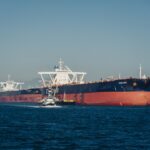
On Tuesday, November 17, the liquefied petroleum gas tanker Gas Husky sank off Bulgaria’s Black Sea coast, approximately 50 miles east of Byala. Bulgaria’s defense ministry reported that the tanker sent out a distress signal before disappearing from radar. The incident occurred within Bulgaria’s exclusive economic zone.
The Incident
According to the Bulgarian Transport Ministry, the Gas Husky was carrying 3,400 metric tons of liquefied petroleum gas at the time of its sinking. The vessel’s manager, based in Greece, did not respond to inquiries following the incident. Fortunately, all 19 crew members were evacuated to safety and transported to an air base in Varna. The cause of the sinking remains unclear, although the regional governor, Mario Smarkov, confirmed that no pollution has been detected in the area.
Context of Rising Maritime Threats
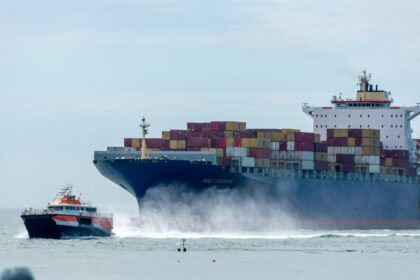
This incident follows closely on the heels of another maritime tragedy in the region, as a cargo ship carrying wheat sank about 40 nautical miles off Bulgaria’s coast due to a drone attack. This recent spate of incidents raises alarms about the ongoing volatility in the Black Sea, where escalating tensions between Russia and Ukraine have resulted in increased threats to shipping. Reports indicate that at least 17 vessels have been attacked in the waters off Bulgaria and Romania since mid-July, resulting in significant operational risks for shipping companies traversing this crucial corridor for Ukrainian grain exports.

The Operational Read
The sinking of the Gas Husky highlights the precarious situation for ship operators in the Black Sea amid growing geopolitical tensions. The safety of crews and cargo is increasingly at risk, necessitating heightened vigilance and stringent security measures. Operators should closely monitor maritime security developments and assess the potential need for rerouting around affected areas. With recent attacks prompting a reevaluation of operational protocols, ongoing support for crew welfare and vessel security will be critical in navigating these hazardous waters. Companies engaged in Black Sea trade must also consider the implications of potential longer transit times and increased insurance premiums due to the risks involved.