Update 11 Nov 2026, 20:33 UTC:
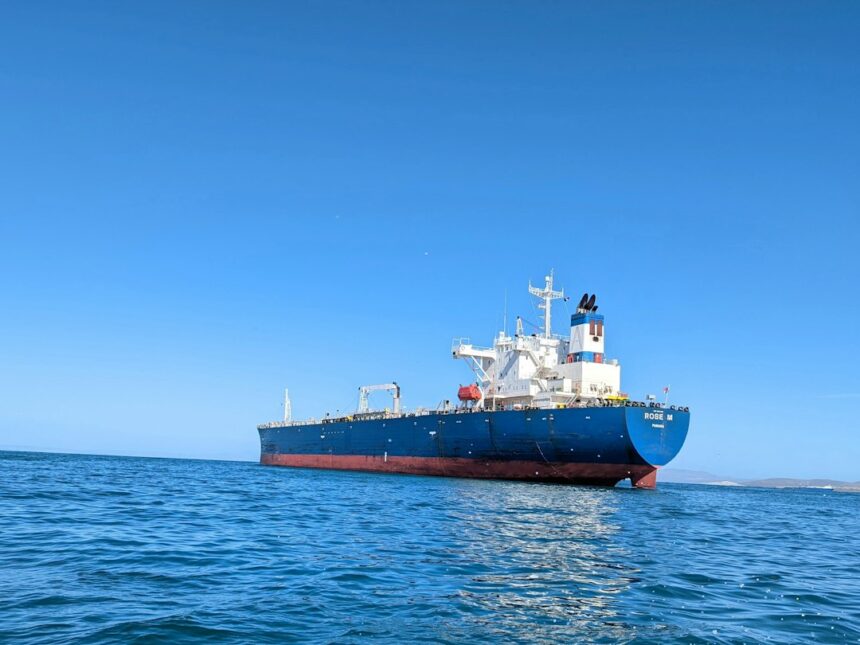
The Agioi Fanendes, a Russian diesel tanker, has diverted from its intended route to the United States, raising significant questions about the feasibility of recent agreements for fuel deliveries. Approximately 400 nautical miles off the coast of New York, the tanker has been observed altering its course in a zigzag pattern since Monday, with tracking data indicating it is currently proceeding ‘for orders’ without a confirmed discharging port.
Market Implications
This development is particularly critical as the Agioi Fanendes carries approximately 40,000 metric tons of ultralow-sulfur diesel, translating to nearly 300,000 barrels. The situation emerges in the wake of a controversial agreement between U.S. President Donald Trump and Russian President Vladimir Putin, which aimed to facilitate Russian fuel shipments to the North American market. Despite this agreement, no Russian diesel cargo has successfully reached the U.S. to date, which is causing traders to monitor the situation closely.



Geopolitical Considerations
Political discourse surrounding the deal has been contentious, especially among U.S. Democrats who argue that importing fuel from Russia could bolster the Kremlin’s financial capabilities during its ongoing conflict with Ukraine. Furthermore, the operational reality is complicated by reports of renewed assaults on Russian refinery infrastructure, which may hinder the country’s ability to fulfill its export commitments. As of early November, six refineries have reportedly suffered attacks, affecting approximately 1.7 million barrels per day of total design capacity.
Behind the Headline
The uncertainty around the Agioi Fanendes highlights the complex interplay between global energy markets and geopolitical tensions. For shipping operators, the evolving circumstances demand careful monitoring of not just vessel movements but also market sentiment relating to Russian exports. Should attacks on Russian infrastructure persist, the promised diesel exports could dwindle, leading to potential increases in market volatility as U.S. traders brace for fluctuations in supply and pricing dynamics. Close attention will be needed on upcoming announcements from both Russian authorities and market analysts to determine the next course of action.