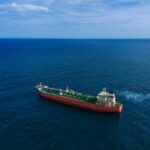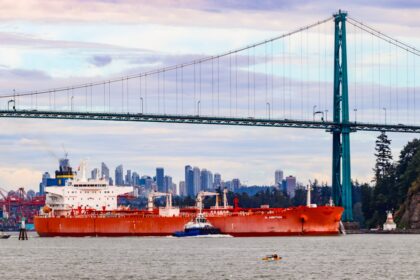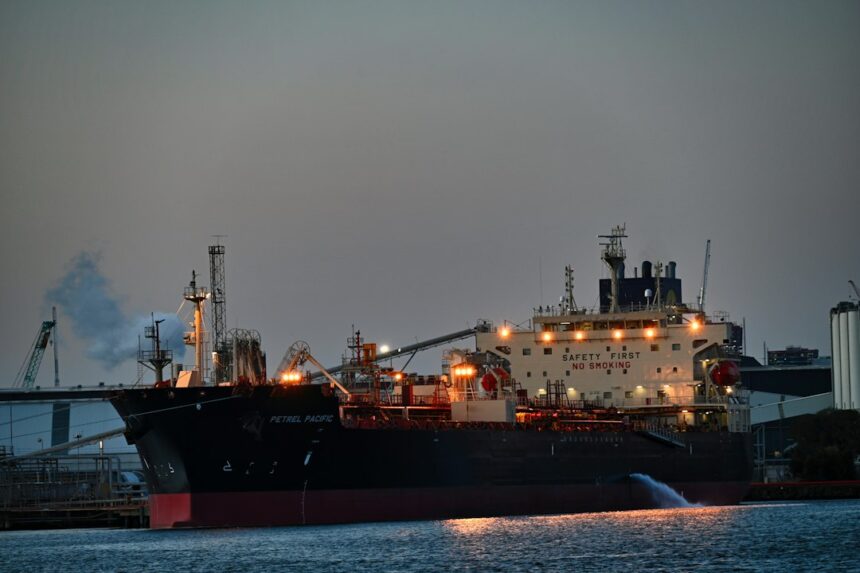
On Thursday, the Iranian Revolutionary Guard Corps (IRGC) announced that two oil tankers, carrying a total of more than four million barrels of oil, caught fire in the Strait of Hormuz. This incident occurred after these vessels navigated an unauthorized route that Tehran had explicitly prohibited since increasing tensions following the outbreak of conflict in the Middle East in late February.
The Incident
The IRGC stated that the two supertankers were involved in a significant accident, described as a “violent explosion,” while traversing a dangerous path along the southern maritime route. These actions were taken despite repeated warnings issued by the IRGC regarding the dangerous nature of this pathway. As a result, both tankers have become immobilized and are now ablaze, which the IRGC attributes to the risks involved with what it calls the aggressive U.S. military presence in the area.
Strategic Concerns
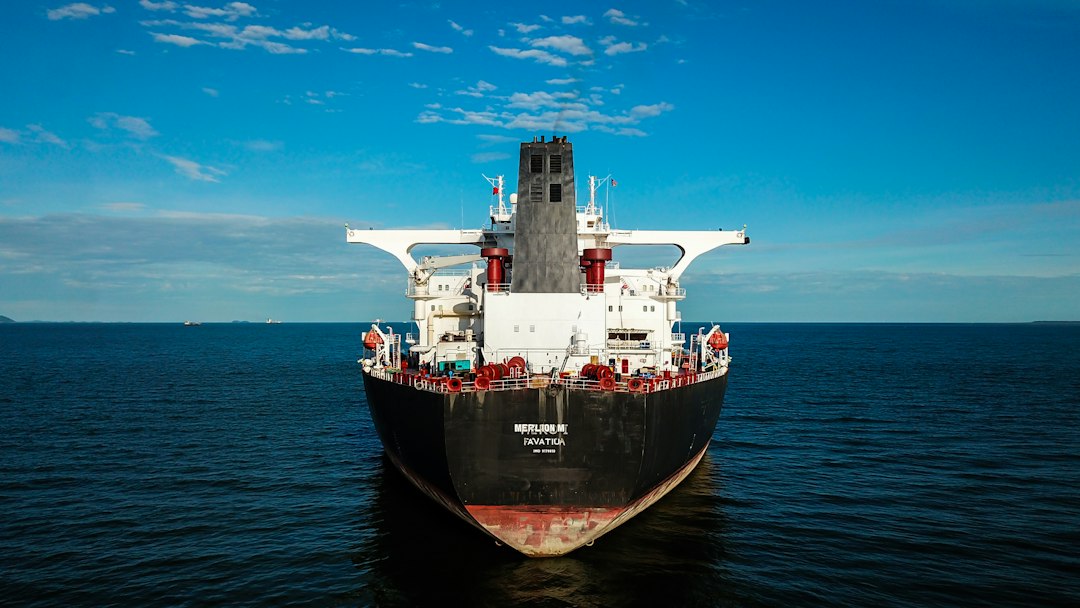
The Strait of Hormuz is vital for global oil transportation, with approximately one-fifth of the world’s oil passing through it. Iran’s restrictions on maritime traffic have heightened tensions, leading to the U.S. imposing a naval blockade on Iranian ports. This move is part of broader efforts to ensure the safety of vessels transiting through the strait amidst rising conflict in the region.

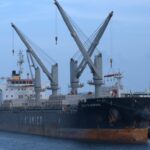
In the weeks leading up to this incident, Iranian forces have reported multiple vessels catching fire under similar circumstances. While Tehran has suggested these incidents were due to mine strikes in prohibited areas, the U.S. military has contested this claim, stating that all mines in the strait have been cleared, leaving questions about the actual causes of these maritime accidents.
The Market Impact
The events in the Strait of Hormuz serve as a critical reminder of the escalating risks faced by shipping operators in this strategic channel. The fire on the two tankers may have broader implications for oil supply, affecting market stability as key shipping routes come under scrutiny. With the U.S. naval blockade ongoing and Iranian restrictions in place, carriers may face increasing pressure to reroute or engage enhanced risk management practices.
The Operational Read
The ongoing volatility in the Strait of Hormuz requires shipping operators and charterers to reassess routing strategies and risk exposure. With Iran’s enforcement of strict maritime regulations and the U.S. military’s countermeasures, the dynamics of oil transportation in this crucial chokepoint are continually shifting. Operators may need to implement contingency plans to navigate these geopolitical challenges while also preparing for potential surges in war-risk premiums and insurance costs associated with voyages through the region. Close monitoring of military developments and maritime safety protocols will be essential as the situation unfolds.