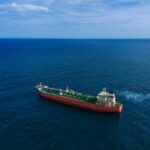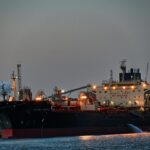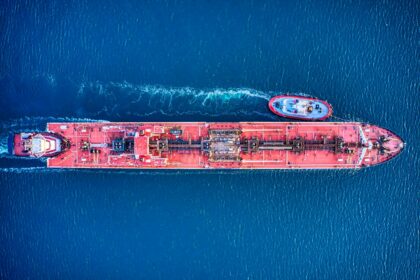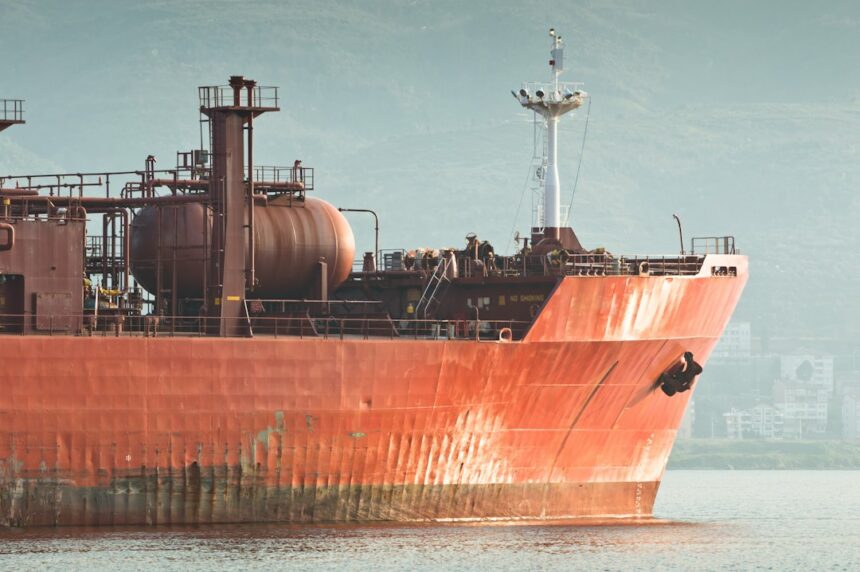
A Liberia-flagged crude oil tanker, the Dominica Prosperity, was struck by an unidentified projectile off the coast of the United Arab Emirates on November 11, resulting in the evacuation of all 22 crew members. The UAE Coast Guard managed to safely rescue the crew, with no injuries reported.
The Incident
At approximately 1800 UTC, the Dominica Prosperity was targeted while drifting about 14 nautical miles northwest of Ras Al Khaimah, close to Mina Saqr. The UK Maritime Trade Operations (UKMTO) confirmed the incident, stating that the projectile impacted the vessel’s engine room. In response, firefighting operations were initiated, and the crew was successfully evacuated. India’s Minister of Ports, Shipping and Waterways, Sarbananda Sonowal, announced that 19 of the evacuated crew members were Indian nationals.
Context of Maritime Security
This event marks one of four documented attacks on commercial ships in and around the Strait of Hormuz, as chronicled in the latest advisory by the Joint Maritime Information Center (JMIC). Two of the incidents occurred on November 10 and November 11, indicating a deteriorating security environment for maritime operations in the area. The Fujairah Energy tanker also suffered an attack in the Arabian Gulf, resulting in injuries to some crew members, while the NCC Fajr was reported to have been struck by a projectile near Khasab, Oman.

Repercussions in Shipping
The increasing frequency of attacks in this strategically vital region emphasizes the need for heightened maritime security measures. As tensions in the Gulf escalate, operators may need to reassess route plans and consider higher security protocols for their vessels. The maritime industry is closely monitoring developments, as these incidents could lead to increased war-risk premiums and impact chartering decisions.
The Operational Read
The recent strike against the Dominica Prosperity, amidst a series of maritime attacks, highlights the escalating risks faced by commercial shipping in the Gulf region. For operators, the direct consequences include potential disruptions to trade routes and heightened insurance premiums as security assessments evolve. It is crucial for vessel operators and charterers to stay informed on the developing security situation, exploring robust risk mitigation strategies while navigating these perilous waters. Increased vigilance and readiness to enact emergency protocols could be necessary as conditions continue to change.