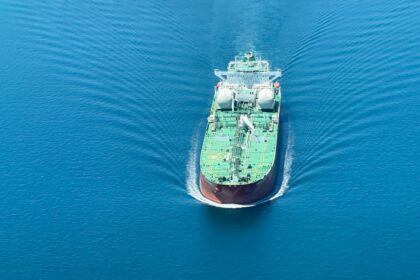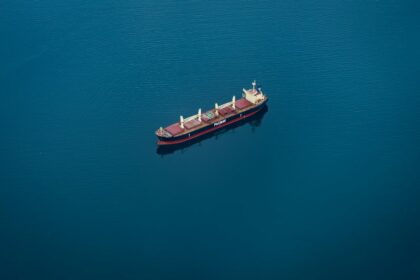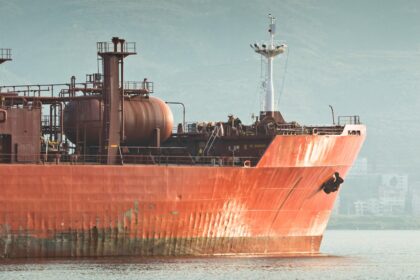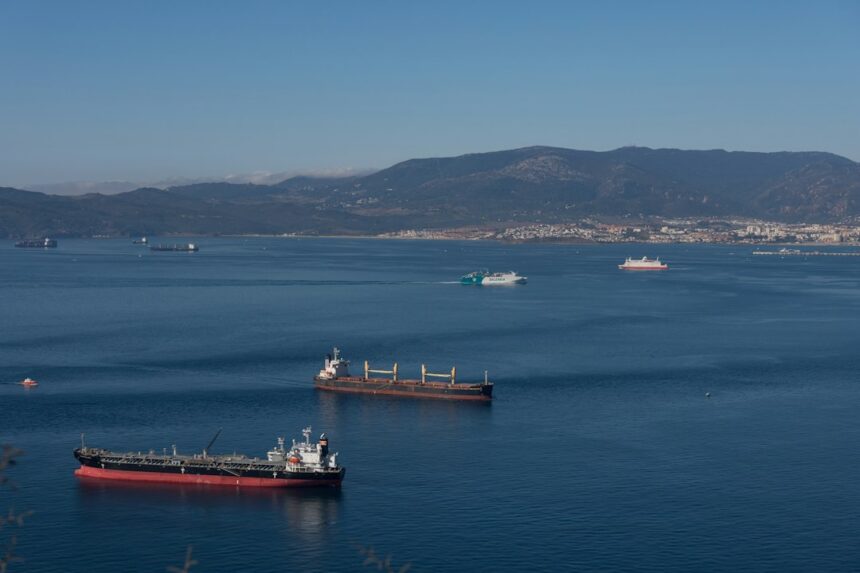
The European Union has announced a new sanctions package aimed at further constraining Russia’s ability to conduct crude and refined product trade. As part of these measures, all tankers insured in Russia are now banned from EU ports, alongside prohibitions on European companies providing support to Russian energy infrastructure. This announcement was made by European Commission President Ursula von der Leyen on November 23.
Details of the Sanctions
In addition to banning Russian-insured tankers, the EU’s sanctions package includes a range of measures targeting the energy sector. These measures also prohibit the building, operation, or repair of Russian refineries and energy installations by European firms. This is particularly significant as many of these facilities were historically dependent on European technology and services.
The sanctions aim to maintain pressure on Russia to withdraw from its military operations in Ukraine. Von der Leyen stated, “We will continue to propose new sanctions until Russia shows genuine intent for a lasting peace in Ukraine.”

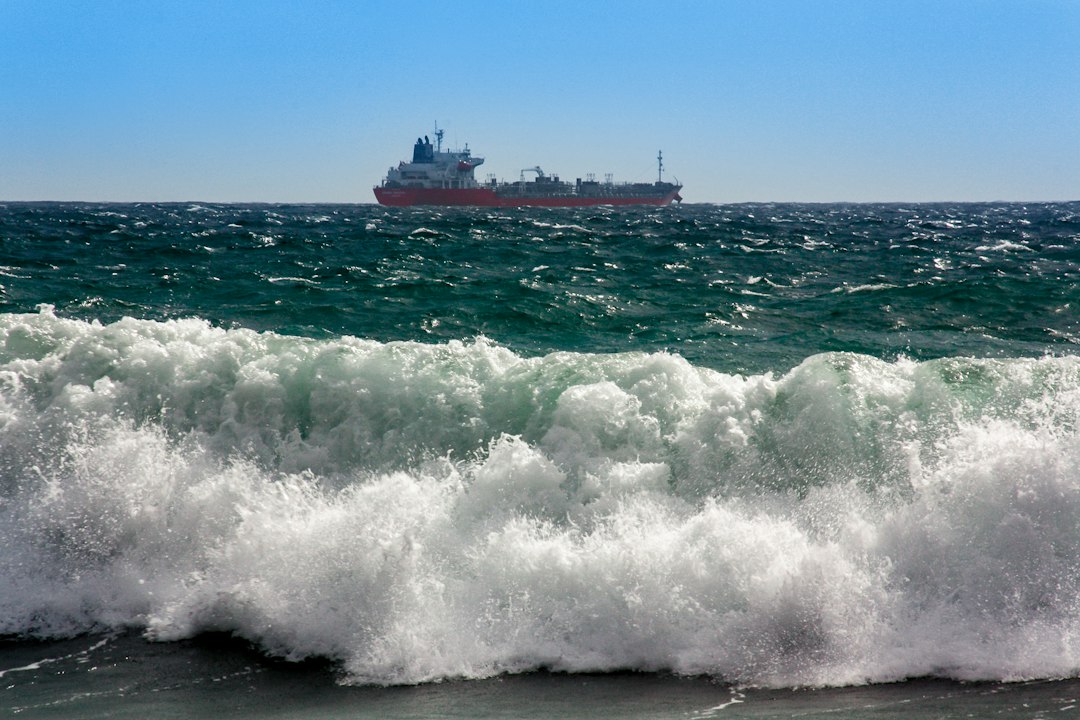
Impact on Shipping and Trade
An analysis by S&P Global Commodities at Sea has found that no oil and chemical tankers discharging cargoes in the Netherlands during November are covered by Russian insurance, suggesting that the immediate operational impact of this latest ban may be limited. This situation reflects earlier efforts by the EU to sanction Russian marine insurers, including the Russian National Reinsurance Company.
Previous sanctions packages have already constrained Russia’s oil exports significantly, including a direct ban on seaborne imports, and a price cap mechanism for oil exports. The EU’s 22nd sanctions package is anticipated to focus heavily on the financial sector, mirroring the strategic pivot in countering Russian economic leverage.
Behind the Headline
The latest round of EU sanctions represents a targeted approach to curtail Russia’s energy sector capabilities amid ongoing geopolitical tensions. While the immediate effects on operational shipping may appear manageable—given that Russian coverage has largely been absent from notable operations—this underscores a broader strategy to sever ties between European firms and Russian infrastructure. For operators, the evolving sanctions landscape necessitates careful navigation of compliance issues and potential disruptions in trade routes, particularly regarding Russian oil products. Stakeholders must monitor the responses from member states to ensure unified support for these sanctions, which will ultimately shape the operational landscape in European ports.