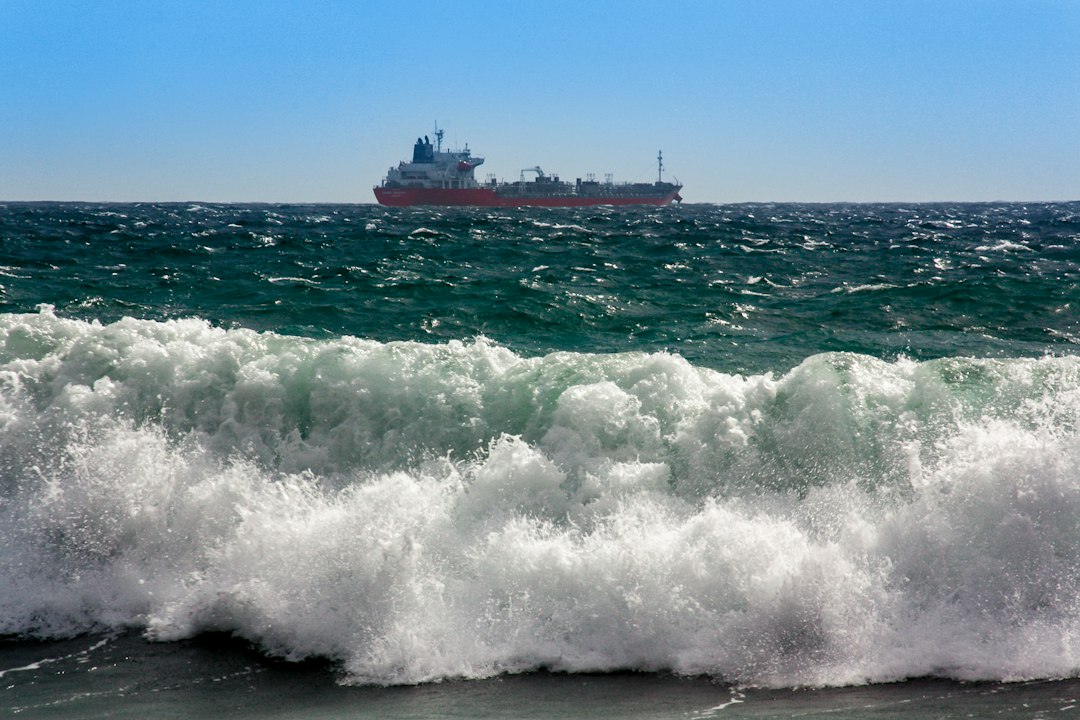
Greek shipowner Harry Vafias is set to enhance his tanker fleet through the addition of four new vessels, comprising two very large crude carriers (VLCCs) and two LR2 product tankers. The total investment for this expansion is estimated to be around $422 million. The orders have been placed with Hanwha Ocean and HD Hyundai Heavy Industries, two prominent shipbuilding firms in South Korea.
Details of the New Orders
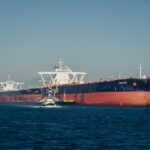
The new VLCCs will each have a deadweight capacity of 320,000 dwt, reinforcing Vafias’s presence in the large crude carrier segment. In addition, the two LR2 product tankers, equipped for carrying refined petroleum products, will have a capacity of 115,000 dwt, allowing access to various market segments. This development highlights the demand for modern, efficient tonnage in the current maritime landscape.
Market Context
The decision to invest in new builds amidst fluctuating market conditions indicates Vafias’s long-term vision for growth in the tanker sector. The market has seen significant shifts, with oil demand rising globally, driving the need for increased shipping capacity. Furthermore, investing in new vessels aligns with trends towards advanced, eco-friendly technologies, positioning Vafias’s fleet to meet rigorous environmental standards likely to arise from regulatory changes.


Industry Implications
As operators continue to adapt to changing market dynamics and environmental regulations, Vafias’s commitment reflects confidence in the recovery and resilience of the tanker market. The inclusion of dual-fuel capabilities in new builds may become a pivotal factor for future competitiveness. Other shipowners may follow this trend as the industry navigates the transition towards sustainable shipping practices.
Behind the Headline
The expansion of Vafias’s tanker fleet with the newbuild orders not only demonstrates a proactive approach to fleet modernization but also highlights the strategic importance of maintaining a competitive edge in the global shipping market. Operators will need to evaluate their own fleet composition as demand dynamics continue to evolve, particularly in light of increasing environmental obligations. Additionally, the strong investment in new ships signals to investors and stakeholders a bullish outlook on the tanker segment as it rebounds from previous downturns.