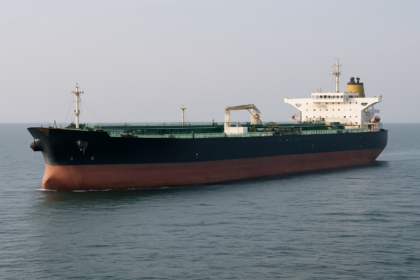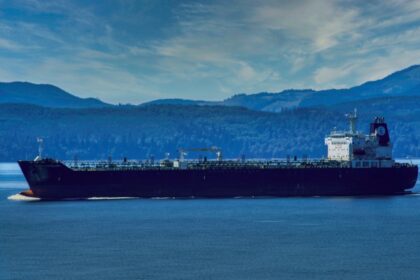
On August 2, 2026, an EU naval mission led by Italy conducted a boarding of the Toa Payoh, a tanker linked to Russia’s sanctioned ‘shadow fleet’, as it navigated international waters west of the Sicilian island of Pantelleria. This marks the second such operation in less than two weeks as the EU escalates efforts to enforce sanctions aimed at disrupting Moscow’s oil trade.
The Inspection
The Toa Payoh was intercepted while traveling from Benin to Istanbul. Notably, the vessel had transitioned to a Cameroonian flag just a week prior, raising questions about its legitimacy under maritime law. The Italian Defence Ministry confirmed that the operation was part of the EUNAVFOR MED Irini mission, designed to enforce a U.N. arms embargo on Libya but now expanded to include verification of vessels suspected of circumventing sanctions.
The EU naval mission, which does not possess authority to seize vessels outright during inspections, aimed to ascertain the validity of the tanker’s registration documents. Despite the boarding being executed safely, the captain initially resisted, leading military personnel from the Italian flagship Thaon di Revel to deploy a helicopter for the operation, which lasted approximately two hours.

Implications of Sanction Enforcement
This boarding follows a similar operation on July 20, when the MV South Star was also inspected due to suspicions regarding its operational status under a false flag. Such actions reflect the EU’s increasing vigilance over maritime activities linked to Russian interests, particularly in light of the ongoing conflict in Ukraine and the resultant sanctions imposed by the bloc.
National authorities now have the documentation gathered during these inspections at their disposal, potentially enabling future detention actions against the Toa Payoh depending on the evaluation of its compliance with maritime regulations.
The Operational Read
The EU’s intensified scrutiny of maritime operations linked to Russia signals a heightened state of awareness among shipping operators navigating vulnerable waters. With multiple vessels under investigation, operators must assess the risks associated with potential detentions or re-registrations. The evolving situation necessitates meticulous verification of vessel documentation and compliance with flag state regulations. Future operations may apply greater pressure on operators in the region, emphasizing the need for compliance with international sanctions and regulations to mitigate operational risks.