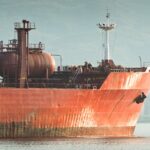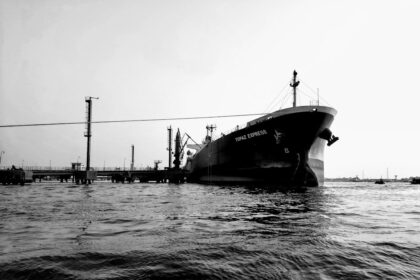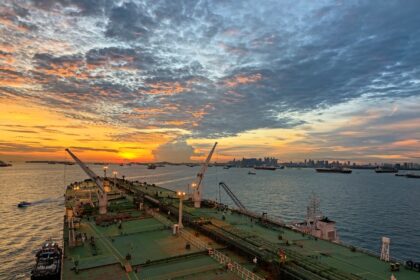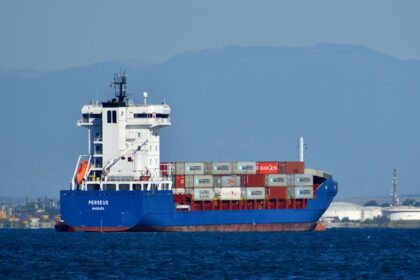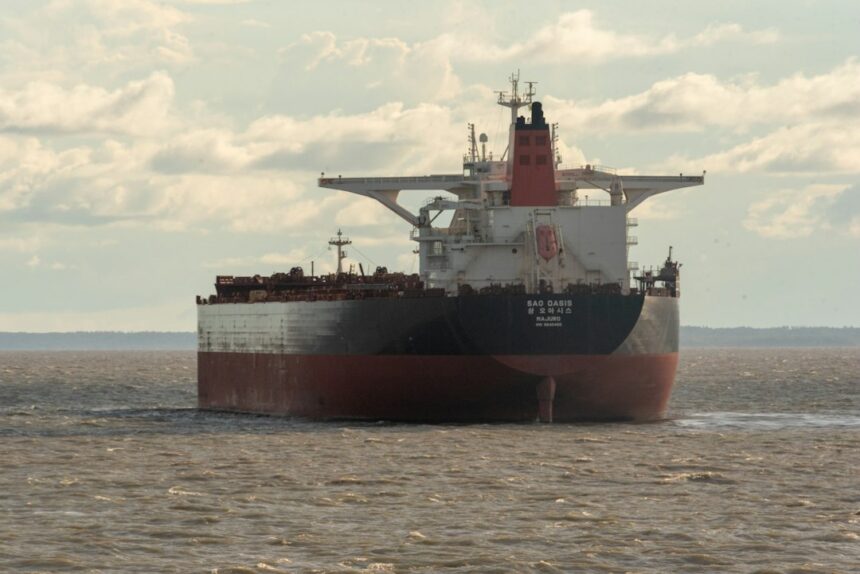
Gulf oil producers have mobilized almost 230 tankers through the creation of the Arab Dark Fleet, a strategic initiative aimed at ensuring the flow of oil through the Strait of Hormuz amid escalating tensions with Iran. This fleet, which is owned, managed, or chartered by national oil companies and their trading and shipping arms, marks a pivotal change in the logistics and supply chain management of Gulf oil operations.
The Arab Dark Fleet
The Arab Dark Fleet is designed to reduce reliance on the spot market for tanker charters, a response to increasing freight rates and the decreasing willingness of shipowners to send vessels to load oil from Gulf terminals. Operating primarily with their Automatic Identification Systems (AIS) turned off, these tankers navigate the Middle East Gulf discreetly and transit through Oman’s corridor with U.S. military support, virtually off the radar.
Most of the fleet’s movements involve very large crude carriers (VLCCs), which transport crude from oil terminals to offshore ship-to-ship transfer hubs off the coasts of the UAE and Oman. Many vessels in the fleet have reportedly gone weeks without signaling their AIS position for what the Gulf producers describe as legitimate security reasons.

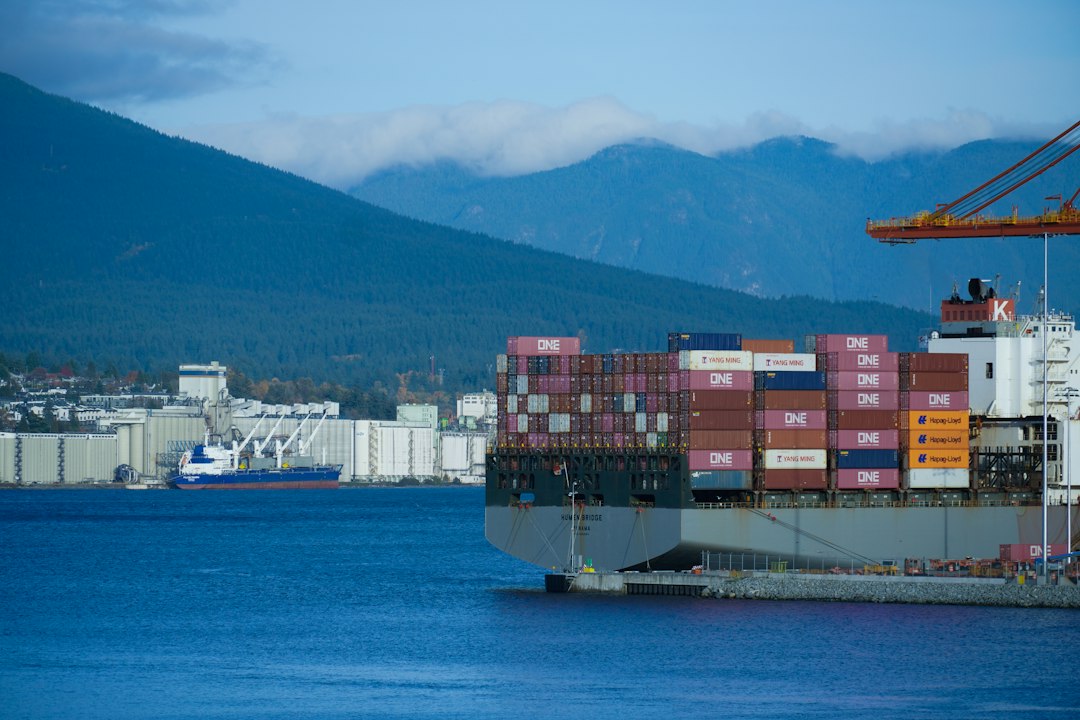
Major Operators and Market Dynamics
A significant operator within the Arab Dark Fleet is a South Korean shipping company, part-owned by a major container line. Since December 2025, this shipowner has expanded its operations through the acquisition and chartering of VLCCs, with approximately 70% of its fleet now actively engaged in the Arab Dark Fleet. This positioning enables them to account for nearly 30% of the total fleet capacity, marking them out as the largest operator in this newly formed network.
Global traders are also involving themselves in shuttling oil, taking crude loaded at terminals west of Hormuz and delivering it under premium conditions at ship-to-ship hubs or direct to buyers. Their contributions have been included in the Arab Dark Fleet statistics, further diversifying the operational capabilities of the fleet.
Economic Implications
This strategic initiative has multifaceted implications for the shipping landscape and global oil logistics. By prioritizing control over tanker operations, Gulf producers have inverted the longstanding narrative within the shipping industry that dictates “cargo is king.” The need for maritime security in the face of Iranian threats has compelled Gulf states to invest in their own fleets, which comes at the cost of higher freight rates and operational inefficiencies.
Behind the Headline
The emergence of the Arab Dark Fleet represents a significant shift in operational strategy for Gulf oil producers, reminiscent of historical precedents such as the Tanker War of the 1980s, where control of shipping lanes became paramount. For operators and charterers, the challenge lies in adapting to a market increasingly influenced by geopolitical pressures that demand operational stealth and security. Moreover, as tonnage is tied up in dedicated routes, it is essential to monitor whether these changes will lead to longer-term alterations in oil transport dynamics across the region and impact global freight logistics.