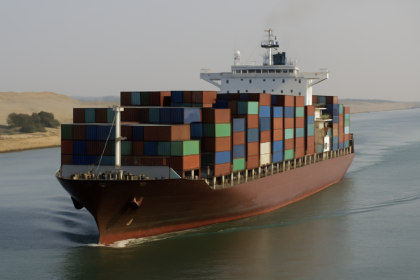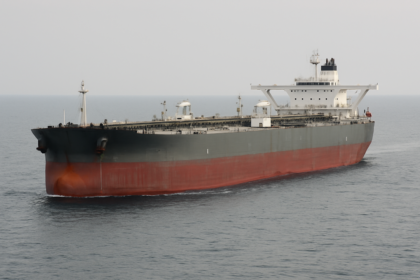
China has inaugurated the Pinglu Canal, a significant 134.2 km waterway that connects the southwestern part of the country directly to the Beibu Gulf, enhancing maritime access for various freight services. This strategic development is expected to reshape logistics for inland freight heading towards Southeast Asia, aligning with the growing trade demands in the region.
Details of the Project
The Pinglu Canal, built at an estimated cost of RMB72.7 billion, runs from Pingtangjiangkou near Nanning through Qinzhou, ultimately leading into the Beibu Gulf. This new artery is anticipated to foster direct shipping routes, reducing transit times for goods moving from China’s interior to global markets via the Gulf.

Implications for Trade
The opening of this canal could significantly influence freight flow, making it more efficient for shippers operating in southern China to transport goods to Southeast Asian markets. By facilitating quicker access to maritime routes, the Pinglu Canal may encourage an increase in trade volume, benefiting both local economies and international shipping lines.

Market Response
Industry stakeholders are observing the operational logistics that the Pinglu Canal will introduce. Shipping companies may need to adapt to this new route, assessing its implications on supply chain management, potential cost savings, and transit times. Moreover, the canal’s opening reflects China’s ongoing efforts to enhance its national infrastructure, which is likely to attract foreign investment and bolster regional trade dynamics.
Behind the Headline
The establishment of the Pinglu Canal represents a strategic shift in China’s approach to enhancing its logistics network. For operators, this new route offers opportunities to optimize supply chains and reduce time-to-market, which is critical in today’s competitive environment. The integration of inland and maritime transport will require adjustments in freight management strategies, including potential reevaluations of charter rates and service offerings. Close attention should be paid to how quickly shipping lines can adapt to this new infrastructure and the forecasted increase in trade along these routes.