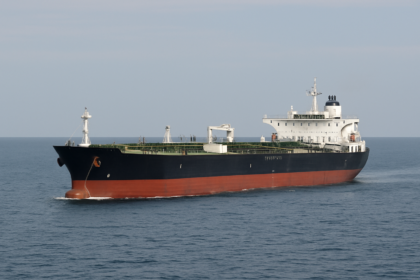
An ammonia cargo successfully transited the Strait of Hormuz for the first time since July, according to data from S&P Global Commodities at Sea. The 25,000 metric tons of ammonia, transported aboard the Gas Aqua, was loaded at Ras al Khair in Saudi Arabia over the period of October 3-6 and arrived at Fujairah in the Gulf of Oman on October 9. The vessel then transferred its entire cargo to the 25,000 metric tons capacity Searambler in Oman on October 11-12.
The Significance of the Transit
This successful shipment is notable as it represents the first ammonia cargo from a non-Iranian-linked vessel to navigate these strategic waters since the escalation of conflict in February between the U.S. and Israel against Iran. The ongoing tensions have created an environment of uncertainty, leading to significant caution among shipping operators. Prior to this event, the only ammonia shipment from the area was an Iranian cargo that departed in July.
Since the onset of hostilities, only three non-Iranian cargoes have successfully sailed through the Strait of Hormuz. These were all loaded in Saudi Arabia and Qatar and were on vessels already within the Gulf when conflict erupted. The success of the Gas Aqua’s voyage may provide insight into the operational capabilities and potential risks facing shipping traffic in this vital maritime corridor.


Market Reactions
As regional shipping dynamics continue to evolve, operators are likely to monitor the implications of this shipment closely. The route through the Strait of Hormuz remains essential for international trade, particularly for key commodities like ammonia. The ability of non-Iranian vessels to safely transit the strait may influence market perceptions regarding the safety and reliability of routes linked to the Persian Gulf.
Shipping companies might recalibrate their operations and risk assessments, potentially adjusting routes and laytime agreements while factoring in elevated risk environments. The implications for ammonia supply chains specifically could be profound, shaping future procurement and shipping strategies across involved stakeholders.
The Operational Read
This shipment’s successful transit reflects a limited but crucial willingness for non-Iranian vessels to engage in trade that has been previously hampered by geopolitical tensions. For operators, the focus will now be on how these dynamics will affect trade routes and the cost of operations, particularly regarding war-risk premiums and insurance rates. As the situation continues to unfold, the maritime sector may explore alternative logistical solutions, including increased charters from safer ports and contingent plans for navigating potential escalations. Monitoring vessel availability and assessing the operational readiness of ships will also be critical in safeguarding commercial interests in this key maritime region.