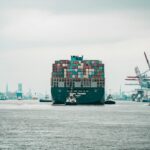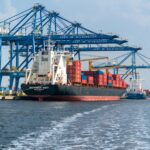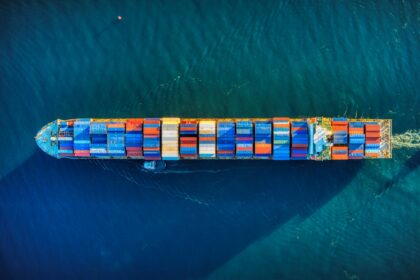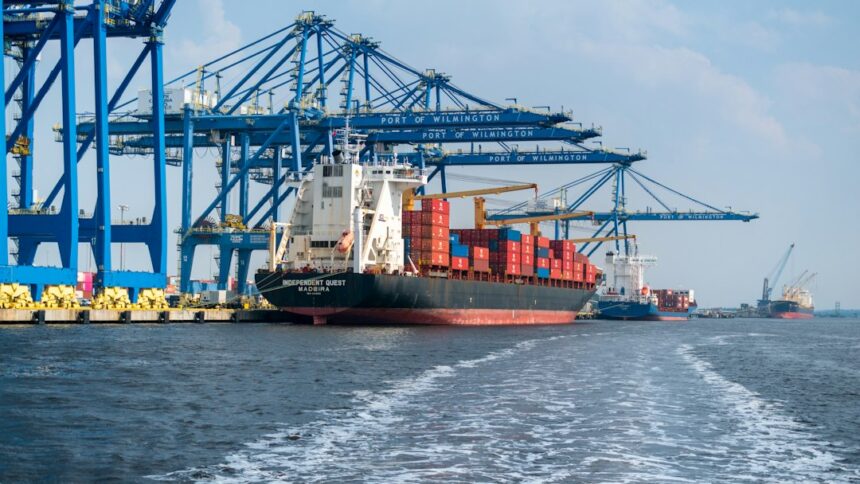
China’s Zhonggu Shipping Group has expanded its fleet by signing contracts for two 14,000 TEU containerships with Hudong-Zhonghua Shipbuilding. This decision illustrates the company’s strategic pivot towards larger shipping solutions, positioning itself competitively in the global maritime landscape.
The newbuilds represent a significant upgrade in Zhonggu’s operational capacity, allowing the group to meet growing demand for container shipping services. The vessels, designed to be conventionally fueled, reflect a logistics approach favored by various operators despite increasing scrutiny on carbon emissions and the global shift towards greener alternatives.
Industry Context
This contract contributes to Hudong-Zhonghua’s expanding orderbook, further reinforcing its reputation as a leading shipyard in the region. The construction of these larger containerships aligns with a broader trend in the shipping industry where operators are increasingly choosing to invest in larger vessels, which offer enhanced economies of scale, improved fuel efficiency, and the ability to handle the growing volumes of global trade.


While specifics regarding the contract value and delivery timelines remain undisclosed, this investment by Zhonggu signals a robust outlook for the company amid fluctuating market conditions. It also highlights the competitive dynamics at play in the container shipping sector, where larger operators strive to maintain market share against emerging fleet capabilities from various global players.
Operational Implications
For shipping operators, the increase in larger tonnage reflects a potential shift in the operational landscape. With larger vessels comes the necessity for enhanced port infrastructure and logistical support, potentially impacting laytime and demurrage considerations at terminals. Charterers may need to adapt their strategies to accommodate these larger vessels, particularly in ports where dredging and operational upgrades are required.
As the industry moves forward, stakeholders will be monitoring potential shifts in regulatory frameworks regarding emissions, as well as the ongoing development of alternative fuels. This investment by Zhonggu could indicate a strategic bet on the resilience of demand for conventional fuel sources in the interim while the industry transitions towards more sustainable practices.
Behind the Headline
The decision by Zhonggu Shipping to invest in larger containerships exemplifies the ongoing evolution of the maritime industry, where companies are adjusting their strategies to embrace vessel size for improved efficiency. Larger carriers are not only more cost-effective in terms of fuel consumption and operational costs but also meet the increasing demands for cargo capacity in global trade. The conventional fuel choice may limit environmental compliance in the long term, but it reflects the transitional phase many operators face in balancing immediate operational needs with future regulations. Stakeholders should watch for future contracts and the overall impact on market competition as larger vessels dominate the shipping sector.