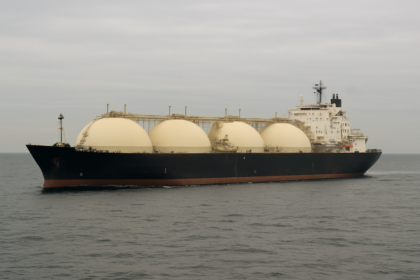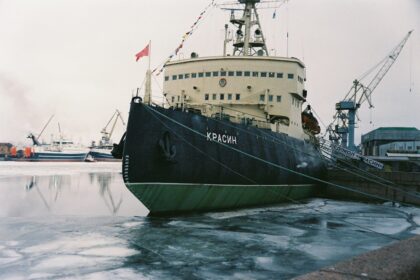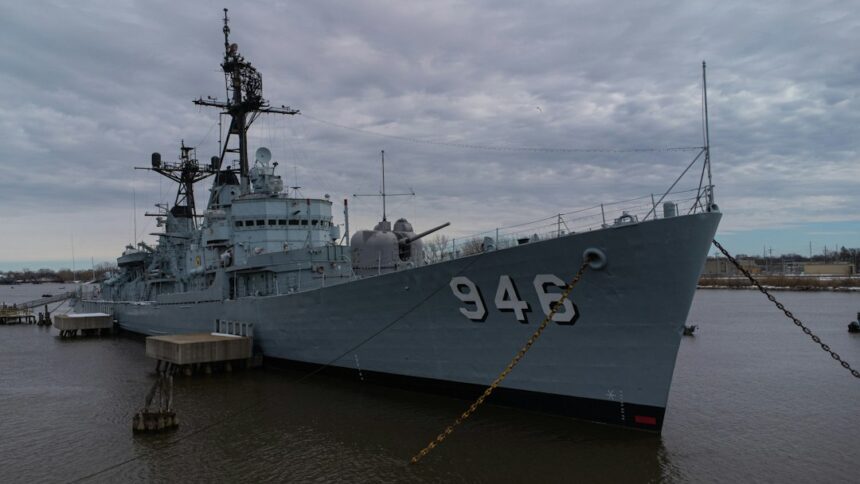
Ukraine’s recent naval operation, which resulted in the sinking of the Russian warship Merkury at a naval base in Benghazi, has initiated significant geopolitical discussions. President Volodymyr Zelenskiy confirmed on Friday that this offensive was conducted without prior coordination with European allies, challenging previously established diplomatic understandings in the region.
The Incident
On November 28, 2026, Zelenskiy disclosed details of the operation during a phone call with Italian Prime Minister Giorgia Meloni, underscoring that such military actions should be discussed in advance among allies. Ukraine has stated that the operation targeted Russian military assets rather than Libya, as tensions related to the ongoing war with Russia, now in its fifth year, continue to escalate.
In addition to the sinking of the Merkury, Ukraine confirmed strikes against a Russian cargo vessel, claimed to be transporting weapons to support Moscow’s military operations. This incident highlights a significant shift in Ukraine’s naval strategy and raises questions about the strategic implications for NATO partners operating in the Mediterranean.

Regional Implications
The decision to execute military actions without coordination has led to concerns from various European leaders, particularly regarding the potential for conflict to spread into the Mediterranean Sea. Prime Minister Meloni has expressed warnings about the ramifications of escalating military operations in this sensitive maritime region. The risks to maritime security and shipping operations are becoming increasingly pronounced as naval encounters intensify.
As Ukraine continues to assert its naval capabilities, Kyiv’s unilateral decisions might complicate alliances and foster uncertainty among commercial operators and governments alike, who rely on stability for regional trade routes.
The Operational Read
The recent Ukrainian operation reflects a pivotal moment in the regional maritime dynamics concerning the ongoing conflict with Russia. For operators and charterers in the Mediterranean, this development necessitates vigilance and a reassessment of risk management strategies, particularly regarding war-risk insurance and routing decisions. The operational landscape is rapidly changing, and the potential for ships to be caught in conflict zones may lead operators to consider alternative passages or increased risk premiums. The international maritime community will need to monitor these developments closely as they may influence shipping patterns and operational safety measures in the region.