Update 02 Nov 2026, 12:36 UTC:
China and Russia are consolidating their dominance in Arctic shipping routes, following a recent agreement that enhances freight traffic and port services between the two nations. This development presents a significant challenge for the European Union, which has just introduced a new Arctic strategy aimed at counteracting the growing influence of these nations in the region.
The Agreement
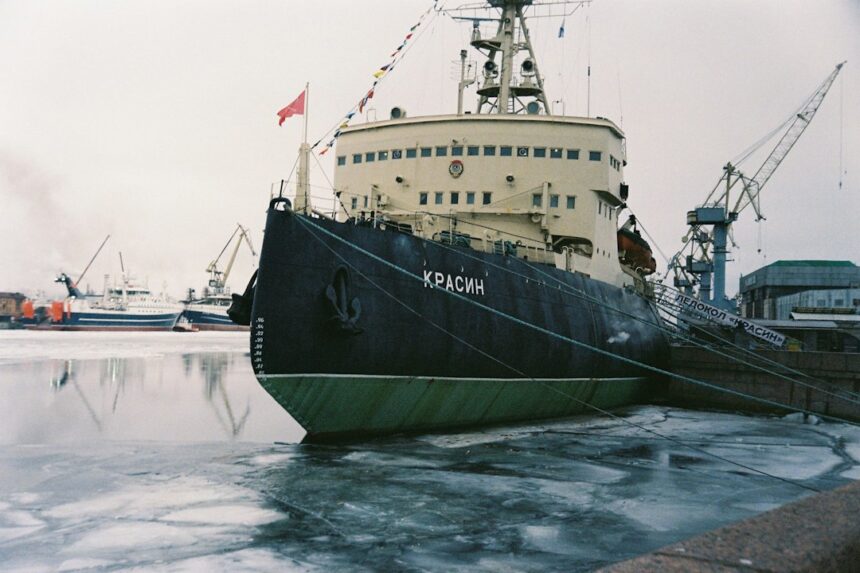
Last week, Moscow and Beijing formalized their commitment to increasing cooperation in Arctic maritime activities, including the construction of polar vessels. This agreement signals an intensifying geopolitical rivalry, as control over Arctic shipping lanes becomes increasingly pivotal amid climate change and melting ice caps.


The EU’s new strategy acknowledges the urgent need to address the shifting balance of power in Arctic shipping, which has turned this once-remote region into a key geopolitical asset. European foreign policy leaders have underscored the strategic importance of the Arctic, with EU foreign policy chief Kaja Kallas stating that the area has become a frontline in global power competition.
Implications for Europe
Europe’s response to the escalation in Arctic shipping dynamics reflects its strategic vulnerabilities. Analysts point out that despite being a significant destination market, Europe lacks the necessary icebreaker capacity and Arctic infrastructure to effectively counter the Sino-Russian partnership. Alicia Garcia-Herrero, Chief Economist at Natixis CIB, emphasized that Europe cannot realistically challenge the dominance of China and Russia in Arctic shipping.
The Northern Sea Route, controlled by Moscow, offers a critical shipping corridor that could drastically shorten transit times for cargo traveling from Asia to Europe—reducing journeys to as little as 18 to 22 days, compared to the traditional 28 to 35 days via the Suez Canal. This enhanced efficiency enables Russia to redirect energy exports to Asia as Western sanctions limit its access to European markets.
Strategic Considerations
While Europe is exploring ways to expand its influence in the Arctic, its plans to increase icebreaker capacity and improve maritime surveillance may not be sufficient to overcome the current shipping paradigm. The EU’s strategy also includes developing infrastructure to connect Arctic trade networks to European markets and enhancing protections for critical undersea cables, indicative of the growing concerns surrounding Russian military activities in the region.
The Operational Read
The evolving geopolitical dynamics in the Arctic pose operational challenges for shipping companies and charterers engaged in this critical transit area. As the Northern Sea Route emerges as a viable alternative to traditional shipping lanes, stakeholders should monitor Moscow’s regulatory framework governing transit fees and the capacity requirements for vessels operating in icy waters. Risk assessments may need to adapt to account for increased military presence and potential disruptions due to geopolitical tensions. Industry players should be prepared for a shift in trade flows and strategize accordingly, considering partnerships and investments that can enhance operational resilience in the Arctic region.