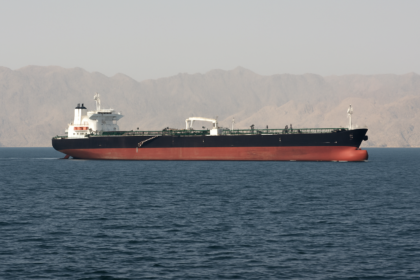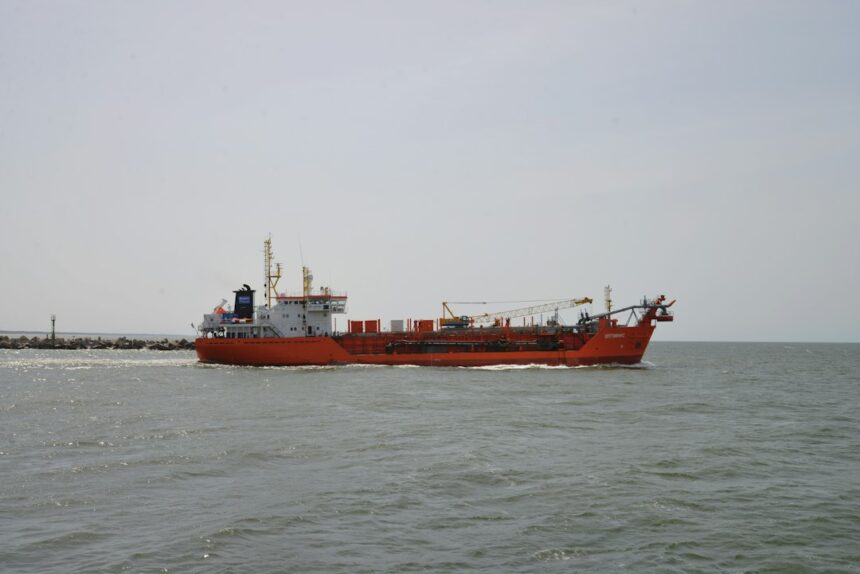
Brussels is moving to impose tighter controls on maritime operations in the Black Sea as part of its ongoing response to the Ukraine conflict. The European Commission, seeking to enhance sanctions against Russia, has proposed a ban on tankers that are insured by Russian entities. This strategy aims to curtail the ability of these vessels to operate, impacting their role in global shipping networks.
At the same time, the United Nations is working to establish a new humanitarian grain shipping arrangement. This initiative highlights the necessity of securing grain supplies globally while addressing the disruptions in the Black Sea region caused by the ongoing conflict. The proposed measures by both the EU and the UN reflect the increasing complexity of maritime operations amid geopolitical tensions.
The Implications for Maritime Operations
The proposed sanctions will likely create significant pressure on shipping companies operating in or near the Black Sea. With Russian tankers reliant on local insurance providers facing potential bans, alternative arrangements must be made, possibly leading to increased insurance premiums and adjustments in vessel routes. Moreover, the call for a humanitarian grain shipping framework presents an opportunity for operators to establish secure passage amidst heightened risks, yet it will necessitate compliance with evolving regulations from multiple authorities.

Looking Ahead: Operator and Market Responses
As the situation unfolds, shipping companies must adapt to the implications of these measures. Navigating the evolving regulatory landscape while ensuring compliance will be paramount. Future operations in the Black Sea may witness altered vessel types, increased scrutiny on insurance provisions, and potentially longer transit times due to the rerouting of vessels to circumvent conflict zones.
The Operational Read
Shipping operators must brace for a challenging operational landscape as sanctions against Russian-insured tankers come into play. The shift may result in increased operational costs and require alternative insurance solutions to maintain compliance. Companies should prepare for potential disruptions in grain transport logistics and consider strategic rerouting options to mitigate risk. Monitoring the response from shipping and insurance markets will be critical as operators seek to navigate these complex geopolitical waters.