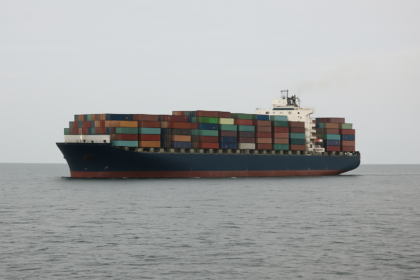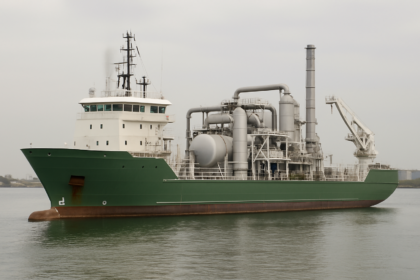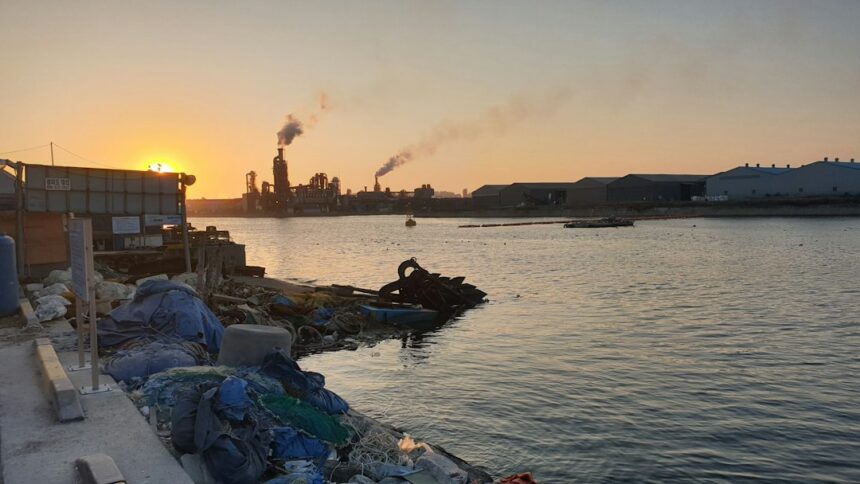
Spain has announced a comprehensive ban on wastewater discharges from ship exhaust gas cleaning systems, commonly referred to as scrubbers, effective July 1, 2027. This significant regulatory measure aims to curb environmental pollution in Spanish ports and internal waters, extending beyond existing regional norms.
Under Royal Decree 1006/2026, published on November 20, the new restrictions will apply to all civilian vessels irrespective of their flag status. The decree encompasses discharges from open-loop, closed-loop, and hybrid scrubber systems operating in Spanish internal waters, port areas, and designated anchorages.
Environmental Context
Scrubbers enable ships to comply with the International Maritime Organization (IMO) sulfur emissions limits by allowing the use of higher-sulfur fuel oil. However, the wastewater produced by these systems can contain heavy metals, hydrocarbons, and other harmful pollutants. The ban serves as a proactive measure to enhance the protection of marine environments, reflecting growing concerns regarding the long-term impacts of scrubber discharges.


This regulatory change aligns with a broader drive for marine environmental protection endorsed by the OSPAR Commission, which urged member states to prohibit open-loop scrubber discharges in ports and internal waters by July 2027. Spain has chosen to expedite this timeline by two years and apply the prohibition on a nationwide basis, including ports in the Mediterranean that fall outside the OSPAR jurisdiction.

Implications for Shipowners
Although the ban does not entirely prohibit the use of scrubbers, vessels must stop discharging wastewater before entering restricted areas. Ships must either switch to compliant low-sulfur fuel or retain wastewater onboard when technically feasible. Historically, Spain has already imposed restrictions on scrubber discharges at major ports such as Algeciras, Barcelona, Cartagena, and Valencia. This decree now establishes a common national standard for all ports.
The Spanish shipowners’ association, ANAVE, has expressed concerns over the accelerated implementation of the ban and its geographical scope. The association has called for stronger alignment with existing IMO guidelines and questioned the thoroughness of the environmental risk assessments justifying these additional restrictions. Furthermore, ANAVE has raised issues regarding the availability of port reception facilities for wastewater derived from closed-loop scrubber systems.
In response to these regulations, the decree mandates that all scrubber-equipped vessels notify Spanish authorities of their systems at least 24 hours prior to their arrival, or upon leaving the previous port in instances of shorter voyages. Authorities will have the right to inspect fuel-changeover records and scrubber operating logs to ensure compliance.
Why It Matters
This move by Spain signals a significant shift in marine pollution regulation within European waters, as tighter controls on scrubber discharge reflect the growing imperative for environmental stewardship in maritime operations. For shipowners, it will necessitate careful operational adjustments, including adherence to new reporting and inspection requirements. As the industry adjusts, ongoing dialogue between regulators and operators will be vital to navigate compliance challenges while preserving investment in scrubber technology. The availability of adequate port infrastructure for wastewater management will also be a critical factor for operators moving forward.