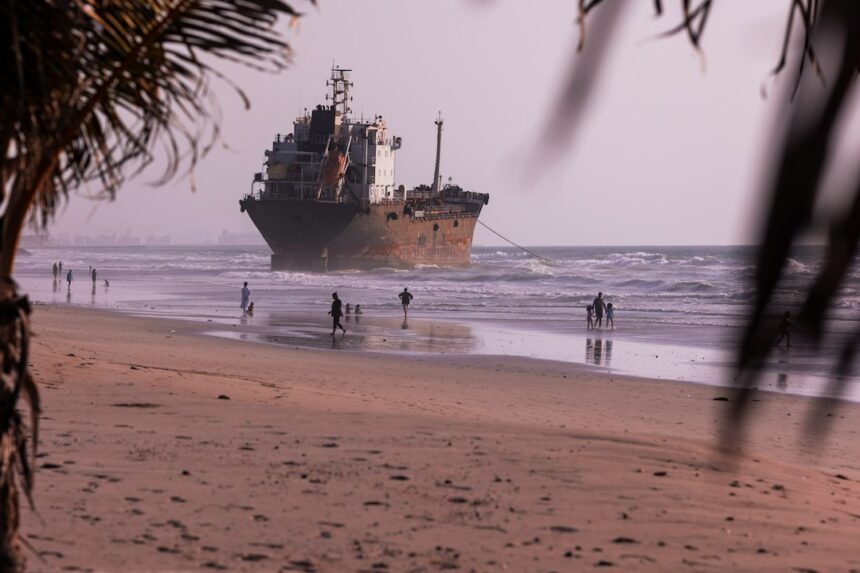
French authorities are preparing for a complex salvage operation to free the bulk carrier MIRO G, which has grounded on the Atlantic coast following severe weather that struck on the night of November 19–20. The Malta-flagged vessel encountered strong winds and heavy seas near Lit-et-Mixe, prompting a coordinated maritime response from both French and Spanish agencies.
The Incident
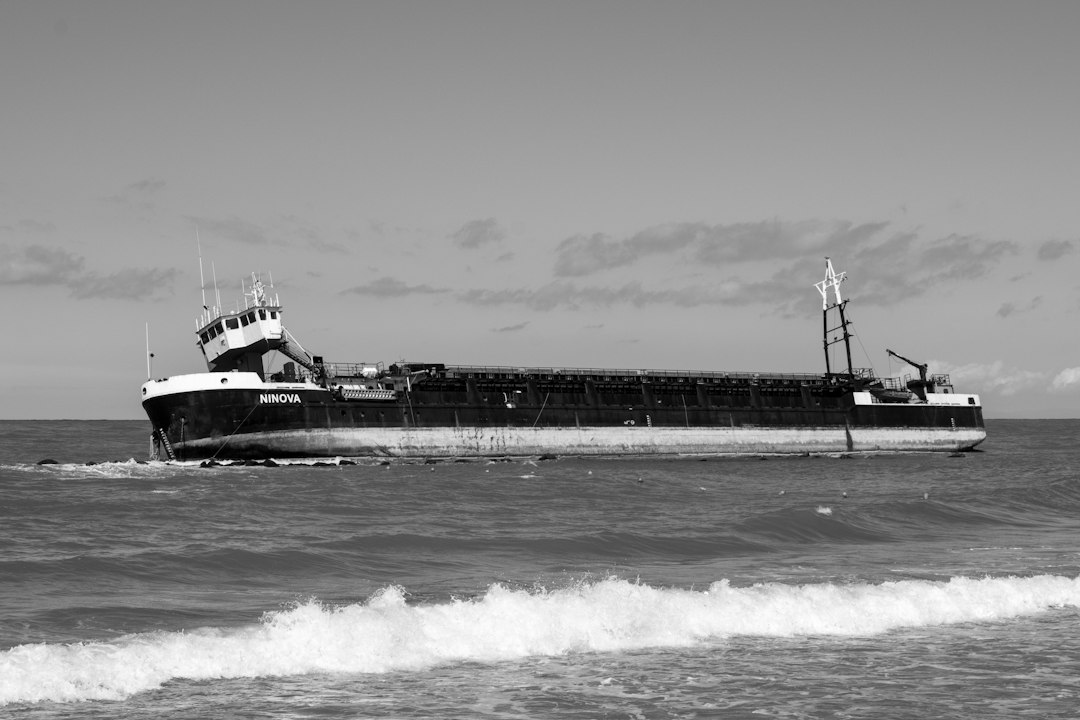
Initially anchored approximately three nautical miles offshore, the MIRO G was driven toward the coast by storm conditions. Following the grounding, personnel aboard were evacuated via helicopter. The French Maritime Prefecture has since ordered the ship’s owner to undertake immediate measures for the vessel’s refloating, putting staff safety and environmental protection at the forefront of the operation.
Salvage Efforts Underway
As of Monday, salvage teams completed technical assessments and are assembling equipment necessary for the refloating attempt. Central to the operation is a 1,900-meter towline consisting of connectable synthetic fiber sections, designed for high strength and buoyancy. This towing line is currently being prepared aboard the French emergency tug Abeille Bretagne, which is key to the operation’s success.

Before lifting the MIRO G from its grounded position, teams are working to restore the vessel’s ballast pumping capability to remove onboard water and reduce its draft. This critical step is intended to lessen the risk of further damaging the ship during the towing process.
Environmental Considerations
Authorities are acutely aware of the environmental risks associated with salvage operations. Resources are being mobilized both on land and at sea to prevent potential pollution stemming from fuel or other hazardous substances. The operation’s timing hinges on optimal weather and tidal conditions, with rising tidal coefficients forecasted to create over one meter of additional water by November 26, aiding efforts to refloat the vessel.
Despite the improving weather, officials advise caution as further strong winds are anticipated. There remains a significant risk that the longer the MIRO G remains grounded, the deeper it may settle into the sand, complicating recovery efforts.
The Operational Read
The grounded MIRO G presents a multifaceted challenge for salvage operators, exemplifying the complexities of maritime incident response under adverse conditions. The decision to proceed hinges on meticulous preparation and risk management, reflecting the need for safeguarding both crew and the marine environment. As operations develop, stakeholders should monitor the weather closely and assess the importance of effective ballast management as a strategy for minimizing potential mishaps during the refloating efforts. The situation underscores the ongoing balance between urgency and safety that defines maritime operations.