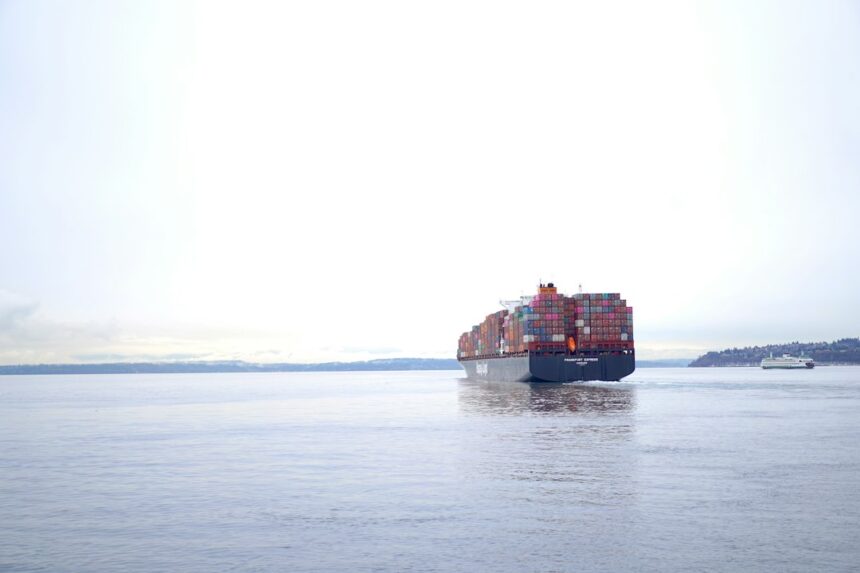
Somali piracy has resurfaced as a critical threat to commercial shipping in the Gulf of Aden and the Somali Basin, with a marked increase in incidents recorded since 2024. After a period of relative inactivity from 2012 to 2024, piracy has dramatically escalated in 2026, posing renewed challenges for maritime stakeholders.
The Resurgence of Piracy
According to the International Maritime Bureau (IMB), 15 incidents of Somali piracy have been reported from January to September 2026, with these pirates accounted for 94% of all global crew hostages. The IMB’s reports highlight a coordinated surge in piracy activity, which can be traced back to shrinking international naval efforts and prevailing state instability in Somalia. This environment has allowed pirates to operate with increased bravado.
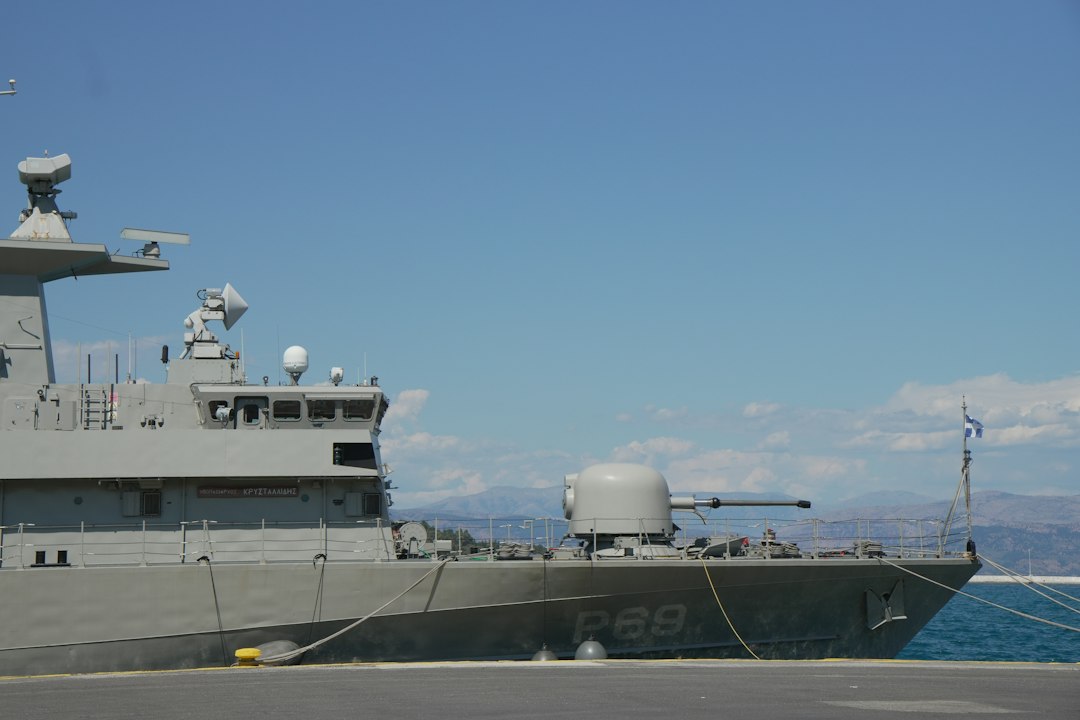
On 24 August 2026, the Royal Navy’s Combined Task Force 151 relayed that it had responded to 25 piracy-related incidents between February and August, indicating that piracy rates are underreported and likely even higher, consistent with historical trends. While piracy often occurs in littoral areas due to the accessibility of commercial vessels, there is a troubling trend of Pirate Action Groups (PAGs) targeting high-value tankers.


Motivation and Methodology
Current ransom demands reflect the escalating ambitions of Somali pirates. Recent reports state that pirates are demanding up to $10 million in exchange for the safe return of hijacked vessels, exemplified by the case of the EUREKA. Stakeholders are increasingly struggling to meet these exorbitant ransom requests, resulting in approximately 20 crew members remaining hostage, including those from the ASANA, who have been held for extended periods since their hijacking.
Moreover, pirates are adapting their strategies by employing larger vessels as motherships, which enables attacks on commercial ships operating hundreds of nautical miles offshore. For instance, the cement carrier SWARD has reportedly been repurposed for such operations, enhancing the operational reach of pirates in the region.
The Operational Impact
The resurgence of piracy in the Gulf of Aden represents a considerable threat to the shipping industry, both financially and operationally. The global shipping market must brace for possible increases in war-risk premiums, which could reflect higher insurance costs and impact vessel routing decisions. The growing complexity of ransom negotiations, particularly for high-value vessels, requires shipping companies to employ updated risk management strategies. Operators must also remain vigilant and consider enhanced security measures during transits in these waters as weather conditions improve for piracy operations.
The Operational Read
The recent uptick in Somali piracy illustrates a significant shift in the operational landscape for maritime stakeholders. An increase in piracy demands tighter security protocols on commercial vessels and heightened situational awareness among operators and crews. The collaboration between the pirates and groups like the Houthis suggests a coordinated approach that complicates traditional anti-piracy efforts. Companies are advised to reassess their risk assessments and incident response plans, particularly as they navigate the potential for escalating costs and operational delays due to ransom negotiations. Continued international naval presence and cooperation will be crucial in addressing the threat and safeguarding vital shipping routes.