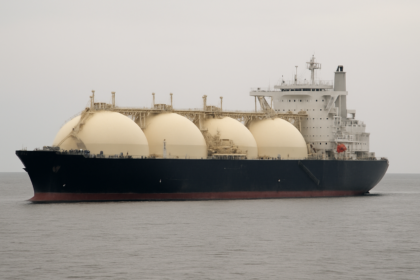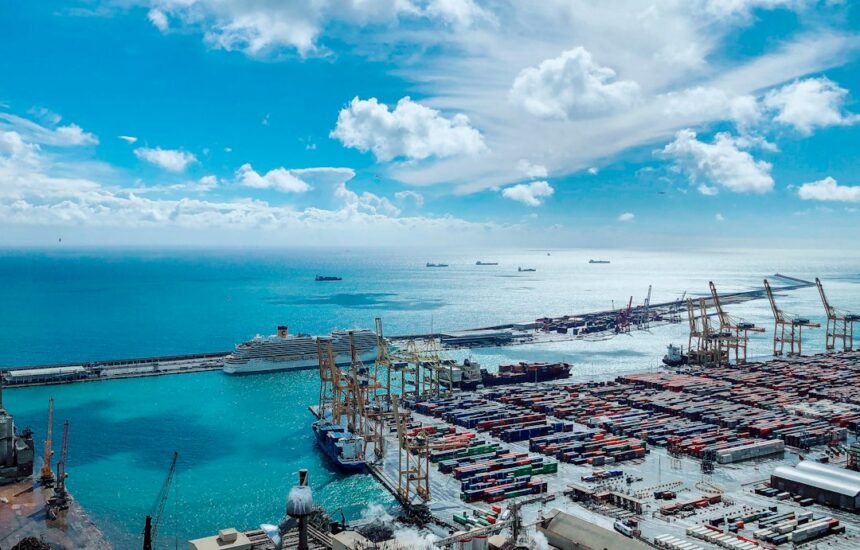
The International Association of Ports and Harbors (IAPH) has called on the International Maritime Organization (IMO) to update the International Ship and Port Facility Security Code (ISPS Code) as maritime threats continue to escalate. This plea was issued on November 5, during the IAPH World Ports Conference held in London, where concerns were raised over the effectiveness of existing maritime security regulations which have not been significantly revised since their adoption in 2002.
The Current Security Landscape
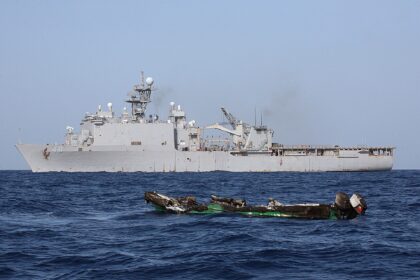
Recent reports indicate that the maritime sector has faced over 120 incidents this year, notably around the Strait of Hormuz, the Black Sea, and the Gulf of Aden. These incidents include attacks on commercial vessels and piracy, which have resulted in 24 verified seafarer deaths, with an additional 38 casualties potentially unconfirmed. Such disruptions not only endanger lives but also affect critical supply chains, particularly for commodities.
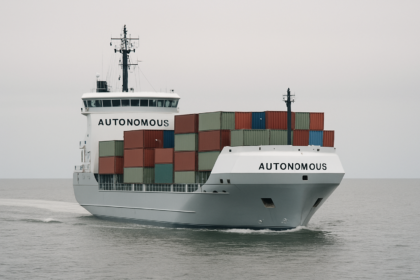
A survey of 181 stakeholders in the maritime industry, conducted as part of the call for updated regulations, revealed that the average effectiveness rating of the current ISPS framework is below 50%. Of those surveyed, 83% identified cybersecurity and digitalization deficiencies as significant weaknesses, while 57% raised concerns about emerging technologies and automation in the context of maritime security.


Expert Opinions and Recommendations
Jeremy Greenwood, head of the IMO’s Maritime Security Section, responded to the calls for change, suggesting that the increasing threats do not necessarily indicate fundamental flaws in the ISPS Code itself but may reflect implementation challenges. He stated, “I would argue that we may have more of an implementation problem than we have an instrument problem.”
Timothy Brown, chief of the U.S. Coast Guard’s Office of Standards Evaluation and Development, emphasized the need for the code to adapt in response to evolving security threats, including cyberattacks and anti-drone measures that were non-existent two decades ago. He noted that lapses in security can directly lead to economic implications, as they can constrain vessel availability and increase freight and insurance costs, making shipping less efficient.
Peter Van Parys, COO of North Sea Port and chair of IAPH’s Risk & Resilience Committee, argued for a more effective framework, stating, “We need not a bigger ISPS, but perhaps a more effective one” that focuses on emerging risks and the implementation outcomes.
Market Implications
The ongoing security concerns are contributing to a volatile market environment. Recent data from S&P Global Commodities at Sea indicate that, despite a recovery in certain areas, Middle Eastern crude and refined products exports in October averaged only 18.8 million barrels per day—approximately 72% of pre-war levels seen before the U.S.-Iran conflict escalated. This decline underscores the potential risks to energy shipping routes due to security disruptions.
Why It Matters
The push for modernization of the ISPS Code represents a key moment for the maritime industry, highlighting the need for security protocols that keep pace with evolving threats. With an increase in both physical and cyber incidents, operators, crews, and charterers may face heightened risks and costs. A comprehensive review and enhancement of the ISPS framework could bolster maritime safety and operational efficiency, ultimately benefiting the entire shipping ecosystem. The upcoming IMO Maritime Safety Committee meeting in December will be critical in shaping future security regulations and addressing these pressing challenges.