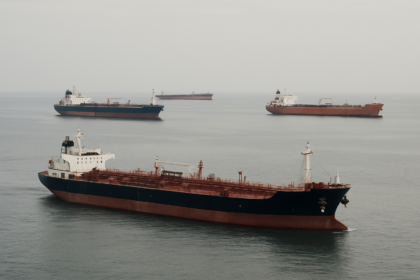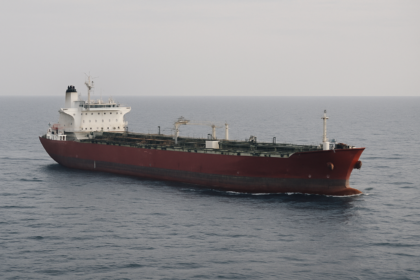
On Wednesday, the United States imposed sanctions targeting a network accused of running fraudulent ship registries that facilitated operations of Iran’s shadow fleet. The sanctions, announced by the U.S. Treasury Department as part of Operation Economic Outcast, focused on an India-based network allegedly led by Suniel Kumar Sharma and Jaspreet Preeti Shahid.
This network has been accused of providing false maritime certification and registry services, allowing sanctioned tankers carrying Iranian petroleum to operate under illegally obtained flags. Vessels involved in these operations, some allegedly transporting oil on behalf of Iranian military entities, included tankers such as PING SHUN (IMO 9231901) and LATTAFA (IMO 9245794).
The Operations
The fraudulent activities reportedly started around 2014, with Sharma and Shahid impersonating the flag administration of Dominica to issue unlawful registration documents. They progressed to establishing Singapore-based Eswatini Maritime Affairs and International Ship Registry PTE Ltd., even after authorities in Eswatini publicly distanced themselves from the operation. The network allegedly provided registration for several sanctioned tankers, including BINARY STAR (IMO 9380570) and VERA (IMO 9304655), thus enabling their maritime operations under false pretenses.


A pertinent example highlighted by Treasury was the tanker MAJESTIC X, previously known as PHONIX (IMO 9198317), seized by the U.S. military on April 22 while carrying Iranian oil. This vessel had operated under a fraudulent Guyanese flag, underscoring the significant threats posed by such networks to international sanctions efforts.

Warnings to the Maritime Industry
Alongside the sanctions, the Treasury’s Office of Foreign Assets Control (OFAC) issued an advisory cautioning that entities offering services to ships operating under false flags might also face sanctions. This warning reflects an escalation in concerns surrounding the shadow fleet, which increasingly relies on fraudulent registrations to continue operations after being delisted from legitimate registries.
OFAC stated that the use of dubious flag changes has been a long-standing tactic for shadow fleet operators, but the rise in fraudulent registries complicates monitoring and enforcement efforts. Maritime service providers, including insurers and financial institutions, are urged to enhance their due diligence protocols when engaging with suspicious vessels.
Behind the Headline
The sanctions against this network represent a strategic move to undermine the operational capabilities of Iran’s shadow fleet, which has increasingly relied on deceptive practices to circumvent international regulations. The complexities of modern maritime operations mean that inadequate checks on vessel registration can expose shipowners and service providers to significant risks, including potential sanctions. In light of the recent developments, operators should prioritize verifying the legitimacy of vessel flags and consider investing in better tracking technologies to avoid inadvertent association with non-compliant entities.