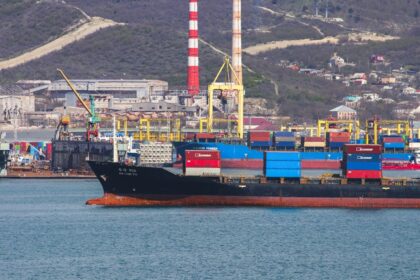


Latvia has emerged as one of the top five countries facilitating the shipment of Russian grain this marketing season, despite strained political relations. According to the consultancy ProZerno, approximately 431,700 metric tons of Russian grain have been exported via Latvian ports between July and October 2026. This represents a significant shift as Moscow redirects its grain exports from the traditional Azov-Black Sea basin to ports in the Baltic region.
Routing Changes in Grain Exports
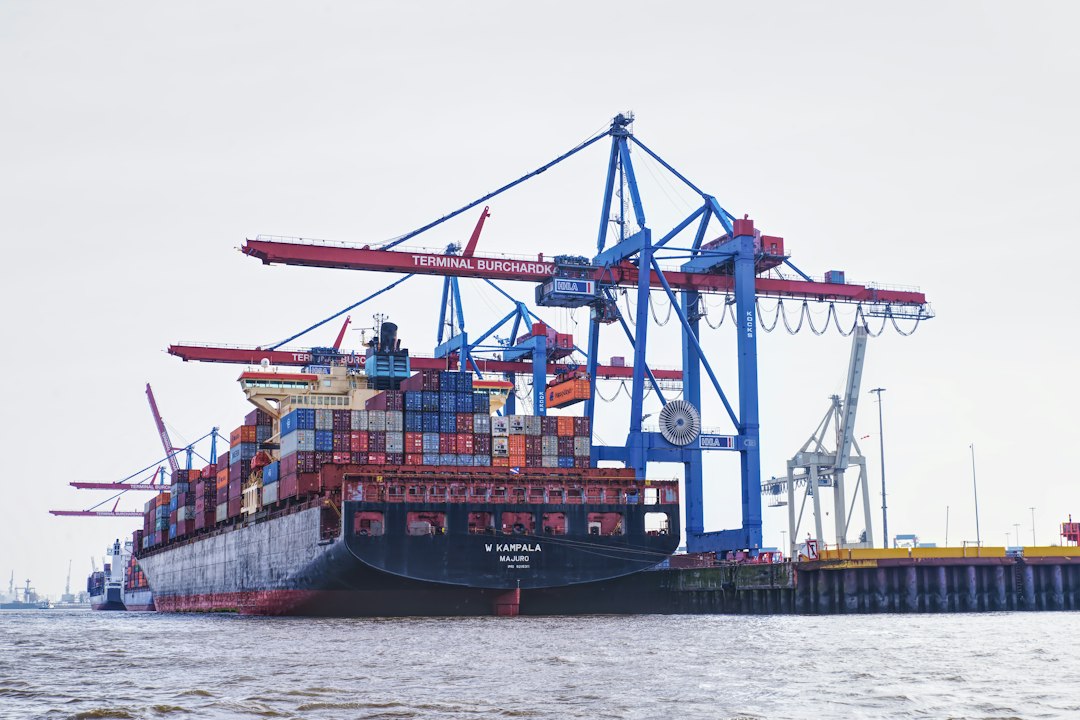
Following a disruption in shipments from the Azov-Black Sea basin that began in mid-August, deep-water Baltic ports have increasingly become vital for Russian grain exports, particularly wheat. In September, the Baltic route accounted for an impressive 65% of Russia’s total grain exports, underscoring the importance of the region in global grain supply chains. Notably, the reshaping of these routes comes as the Latvian foreign ministry confirmed a ban on Russian grain imports within Latvia, effective from 2024. However, no transit ban is in place yet, with government discussions ongoing regarding potential future measures, either at the national or EU level.
Major Trade Relationships
During this time, Iran has maintained its position as the largest buyer of Russian grain, importing 1.716 million tons, mainly comprising barley and corn. Meanwhile, other countries, including Egypt, Azerbaijan, and Nigeria, have also significantly increased their imports of Russian grain. Egypt imported approximately 1.35 million tons, reflecting its historical reliance on Russian wheat. As geopolitical considerations continue to impact trade flows, Azerbaijan and Nigeria stand as notable importers with 545,000 tons and 420,900 tons, respectively.


Behind the Headline
The emerging role of Latvia as a key transit hub for Russian grain exports highlights the complexities and shifting dynamics of maritime trade amidst geopolitical tensions. For operators navigating these waters, understanding the evolving regulatory landscape is crucial, particularly as Latvia may soon enforce stricter measures against Russian grain transit. The reliance on Baltic ports signals a broader trend that may influence shipping route decisions, logistics planning, and regional trade practices. As the market responds to changes in supply routes, monitoring the impact on freight rates and demurrage costs will be essential for stakeholders involved in grain transportation.