

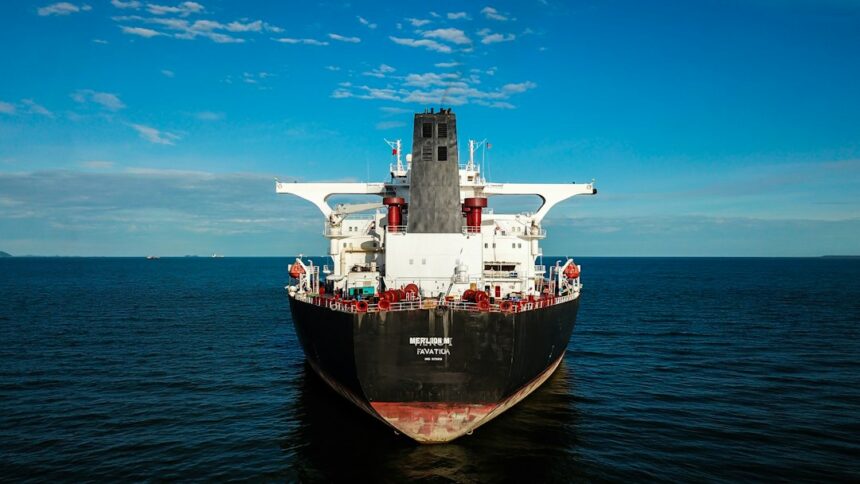
Disruptions in the Middle East continue to exert significant pressure on global oil markets, primarily through sky-high tanker rates that are lifting the cost of oil for consumers worldwide. As transport traditionally constitutes a small portion of oil’s overall price, surging shipping costs have escalated hurdles across the supply chain, directly impacting refiners and energy-import-dependent economies.
The Impact of Conflict on Shipping Rates
Since the onset of hostilities in February, the shipping industry has grappled with increasingly volatile freight costs. By mid-October, the expense of transporting crude oil from the Middle East Gulf to Asia on a large tanker had exceeded $37 per barrel, a staggering increase of over five times pre-war levels. This exponential rise in tanker rates poses substantial challenges for refiners, particularly in Asia, where high transport costs could tip operations from profitability into the red.
Operational complexities have heightened due to vessel congestion around the strategic Strait of Hormuz, compounded by rerouting trade flows and reliance on ship-to-ship transfers. The collapse of established shipping routes results in prolonged cargo delivery times, decreasing fleet efficiency and availability. These circumstances create serious repercussions for global oil logistics, with ramifications reaching far beyond the immediate regional conflicts.


Market Dynamics and Supply Chain Challenges
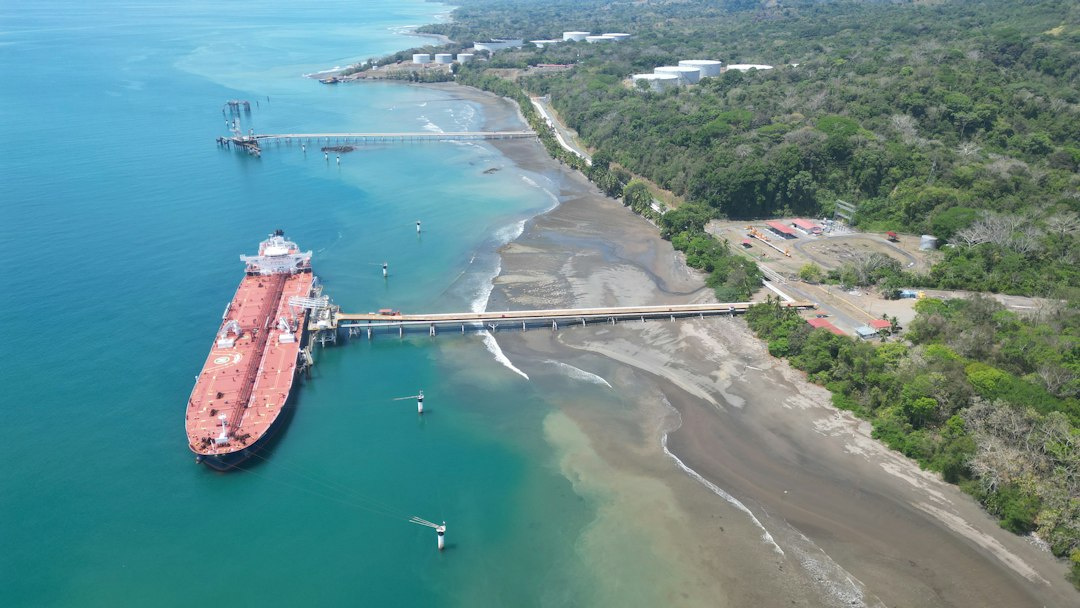
Pursuant to escalated conflict, tanker availability has diminished partly due to growing reliance on a shadow fleet—an assemblage of vessels circumventing sanctions to transport Russian and Iranian oil. The interplay of geopolitical tension with practical shipping constraints has illuminated the fragility of the petroleum supply chain.
In September, a sequence of drone attacks targeted the East-West crude oil pipeline in Saudi Arabia, a key alternative route that enhances export capabilities by facilitating oil shipments to the Red Sea without traversing the Strait of Hormuz. The temporary halt of this critical pipeline prompted an uptick in demand for tankers, as refiners scrambled to secure alternative crude supplies. Consequently, rates peaked further, tightening the already strained tanker market.
Future Outlook
As the conflict evolves and geopolitical pressures maintain their grip on the shipping industry, the trajectory of freight rates will remain uncertain. Economic ramifications for nations dependent on oil imports are likely to escalate as higher transport costs filter down the supply chain, accentuating a potential energy crisis for vulnerable markets.
Behind the Headline
The current surge in tanker rates underscores a critical intersection between maritime logistics and international politics. Operators face acute pressures in an environment where capacity constraints are pronounced and operational costs are escalating due to extended delivery times. The imperative for shipping companies is to enhance fleet efficiency and flexibility to adapt to ongoing risks while managing rising operational costs. Observers should closely monitor how geopolitical events influence global oil transportation dynamics and what strategies operators will pursue to navigate this volatile landscape.