


On Tuesday, the European Union announced a comprehensive Arctic strategy aimed at strengthening maritime security, expanding icebreaker capabilities, and safeguarding critical infrastructure in response to melting sea ice and escalating geopolitical competition. This initiative marks the EU’s first major policy update since 2021, reflecting a determined pivot towards addressing security and economic interests in this increasingly vital region.
The Strategy Overview
The newly unveiled Arctic strategy is centered around the establishment of a Maritime Security Hub that will facilitate enhanced surveillance and information-sharing across the Arctic. This initiative aims to coordinate responses to threats and protect vital undersea infrastructure, thereby increasing maritime operational safety. European Commission President Ursula von der Leyen highlighted the heightened security landscape, stating, “The Arctic is one place where the tectonic plates of geopolitics are colliding.”
With Russia intensifying its military presence in the Arctic and pursuing hybrid strategies, the EU has recognized the necessity of a more active stance in what has become a competitive arena, particularly as new shipping routes arise due to climate change.

Enhanced Capabilities and Infrastructure
The strategy outlines several key developments, including an initial Arctic Cable Hub designed to aid in monitoring and protecting submarine cables across the North Atlantic and Arctic regions. This will be supported by advanced satellite monitoring and a dedicated Arctic surveillance pilot project scheduled for 2027, aimed at improving maritime domain awareness.
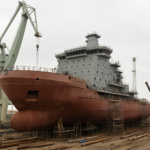
Additionally, the European Commission is committed to assessing shipbuilding capabilities to enhance icebreaker availability. This reflects a growing acknowledgment of the specific operational requirements for navigating the Arctic, where specialized vessels are critical for ensuring safety and operational efficiency.
Economic Opportunities and Challenges
The strategy is also positioned as a catalyst for integrating European ports, rail connections, and energy terminals into emerging Arctic trade networks. Notably, there are proposals for a new Pan-Arctic submarine cable to connect Greenland directly to Europe, along with potential future links to Canada and Japan. The EU’s IRIS² program will facilitate secure satellite communications, while a new monitoring initiative, OceanEye, aims to improve data sharing related to maritime safety and climate observation.
As Arctic shipping gains traction among governments and commercial entities seeking alternative routes between Europe and Asia, Europe’s response reflects both the anticipated economic benefits and the inherent security complexities of operating in the region.
The Operational Read
This Arctic strategy showcases the EU’s recognition that maritime operations in the region will require coordinated security measures and specialized capabilities amid shifting geopolitical dynamics. Operators and charterers must adapt to a landscape where increased naval presence and environmental changes redefine routes and operational protocols. The establishment of a Maritime Security Hub and the enhancement of icebreaker fleets will play a crucial role in ensuring readiness and safety in these challenging environments. It will be essential for stakeholders to monitor developments closely, as the integration of new technologies and infrastructure investments can significantly influence operational success in the Arctic moving forward.