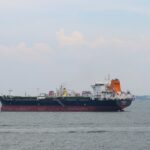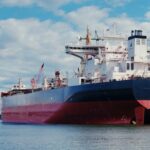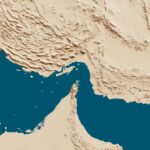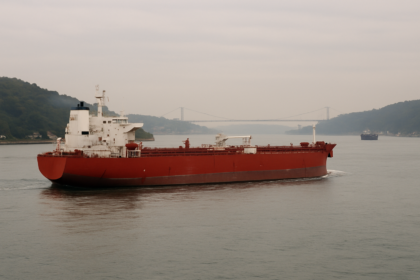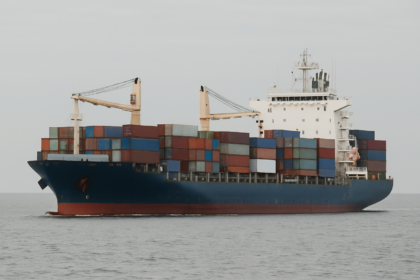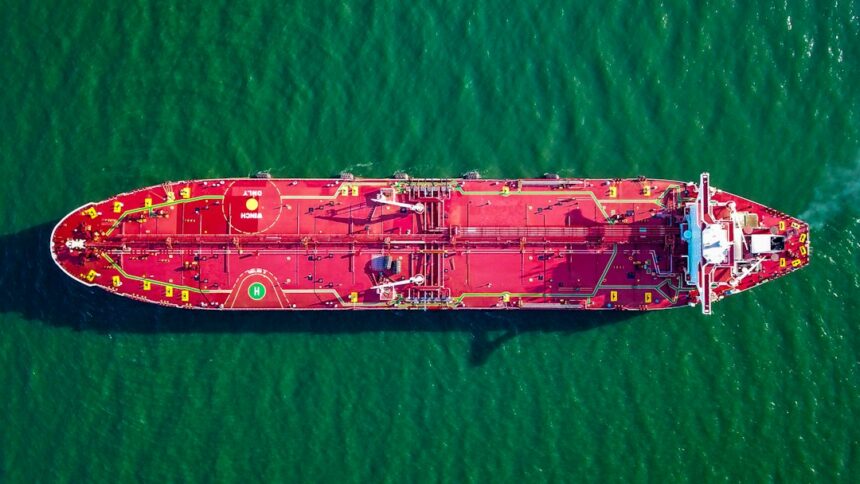
Iran has managed to navigate the stringent US naval blockade to export some liquefied petroleum gas (LPG) and jet fuel since July 2023. According to shipping intelligence and maritime security sources, these exports have been concealed amid a series of ship-to-ship transfers conducted by other Gulf producers, primarily off the coast of Oman.
The Export Strategy
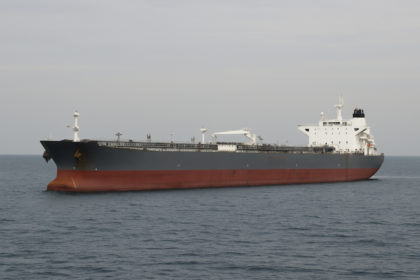
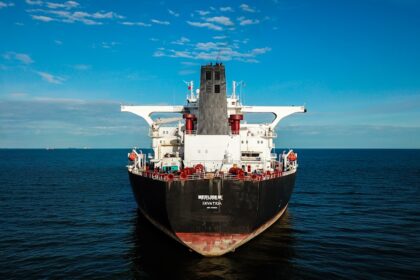
Data from the advocacy group United Against Nuclear Iran (UANI) reveals that at least eight gas tankers carrying Iranian LPG have successfully departed the Gulf of Oman since mid-July, indicating a strategic adaptation to the ongoing restrictions. Additionally, a tanker carrying Iranian jet fuel arrived in Myanmar in September. This development is significant as it marks a rare instance of Iranian petroleum products breaching the blockade that has severely limited its crude oil exports.
Despite the US sanctions, six of the eight gas tankers, along with the jet fuel tanker, are listed under sanctions for transporting Iranian oil and petrochemicals. The shipments are largely characterized as opportunistic rather than indicative of a sustained effort by Iran to revive its oil export capacity through smaller vessels.

Current Maritime Conditions
Research analyst Jemima Shelley from UANI noted that most of the Iranian LPG shipments were redirected to Malaysia’s Eastern Outer Port Limits for further ship-to-ship transfers likely destined for China. The estimated total of these LPG cargoes is approximately 4.1 million barrels. Furthermore, logistical maneuvers around the Omani coastal towns of Shinas and Sohar have facilitated these transitions under the watchful eye of the US naval presence.
Despite successful shipments, US Central Command emphasizes that its blockade is ‘ironclad’. The blockade was initially lifted in June following a tentative agreement with Iran but reinstated in July after talks collapsed. US military officials have reiterated that each vessel’s passage is individually assessed, and some may be allowed through under humanitarian exemptions.
The Operational Read
The successful yet limited exportation of LPG and jet fuel by Iran highlights the persistent challenge of enforcing maritime sanctions amid evolving shipping practices. For operators, understanding the intricate tactics used by Iran will be essential in navigating the regulatory landscape. The ongoing geopolitical tensions in the region signal potential repercussions for shipping operations, including increased scrutiny and possible adjustments in routing to avoid sanctions enforcement. The operational landscape remains fluid, providing unique challenges for vessels involved in energy transportation across these contentious waters.