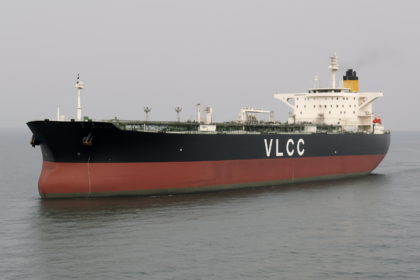
As the International Maritime Organization (IMO) advances its carbon-reduction agenda, South Korean shipping companies HMM and Wooyang Shipping are proactively integrating wind-assisted propulsion systems (WAPS) into their fleets. These developments are catalyzed by recent long-term charter contracts with Brazilian mineral company Vale for environmentally efficient bulk carriers.
The Introduction of Rotor Sails
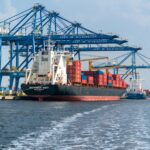
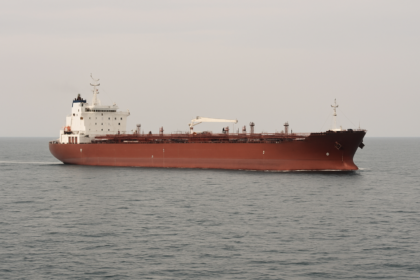
On October 13, it was announced that HMM will incorporate eight newly ordered 210,000-ton bulk carriers equipped with rotor sails. Wooyang Shipping similarly plans to enhance its fleet with four bulk carriers featuring the same technology. The rotor sail, which leverages Magnus effect by rotating a cylinder, provides additional thrust, thereby reducing reliance on traditional fuel sources.
Vale estimates that each vessel outfitted with rotor sails could achieve a fuel consumption reduction of up to 10%, which represents a significant step towards achieving sustainable operations in maritime logistics. The company intends to expand its fleet of vessels fitted with WAPS to 20 by the year 2030.


Expanding Applications of Wind Propulsion
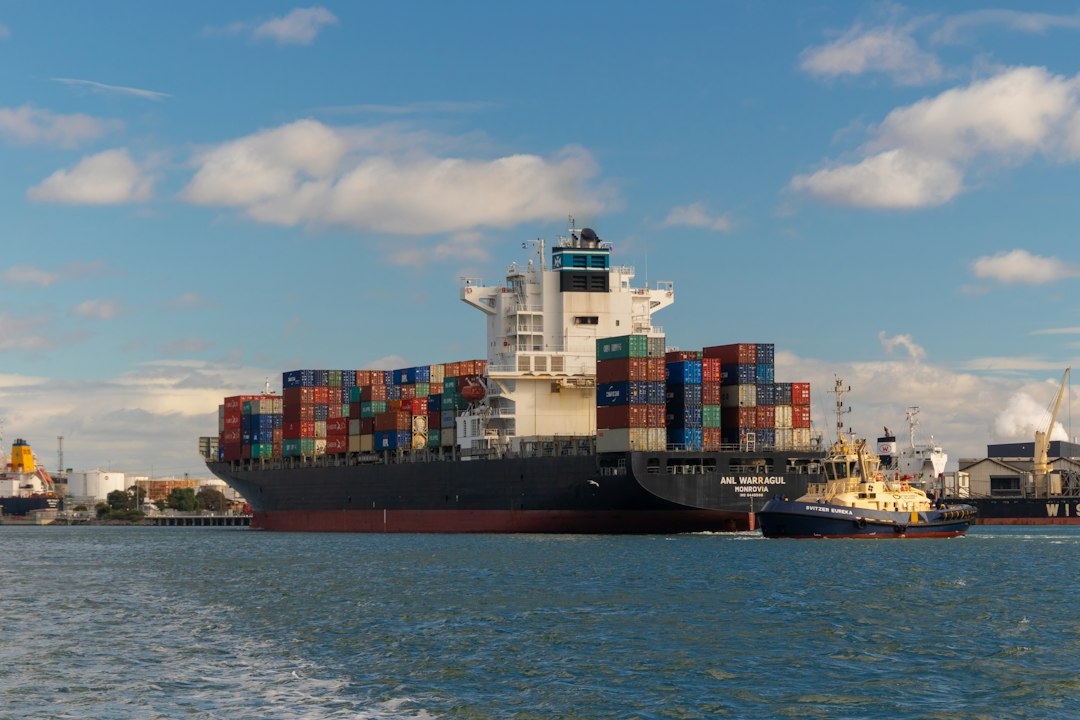
The integration of wind-assisted systems is not limited to bulk carriers. In a noteworthy development, Hanwha Ocean has delivered a new LNG carrier to Chevron, equipped with the Wind Challenger technology designed by Japanese shipper MOL. This system employs a vertically deployed sail to assist in propulsion, achieving a potential fuel usage reduction of 12%.
Moreover, HD Hyundai Heavy Industries is advancing its project to develop a 174,000-cubic-meter LNG carrier incorporating Windwings, another innovative solution focused on harnessing wind energy. Windwings, characterized by their large wing-shaped sails, have so far been predominantly installed on bulk carriers and oil tankers.
As of June 2026, reports from the International Windship Association (IWSA) indicate that 107 large merchant ships globally have adopted wind-assisted propulsion systems. This includes 46 vessels that incorporated the technology at the newbuild stage and 61 that have retrofitted existing ships.
Behind the Headline
The increasing adoption of wind-assisted propulsion systems reflects a crucial shift in maritime operations towards sustainability. For operators, the ability to retrofit existing ships without altering engines or fuel systems presents a viable path to comply with emerging environmental regulations. This trend underscores the maritime industry’s growing commitment to decarbonization, driven by both market dynamics and regulatory mandates. The contribution of rotor sails and similar technologies will likely become a defining factor in operational strategies, influencing vessel design and commercial viability in a competitive landscape.