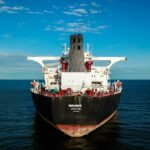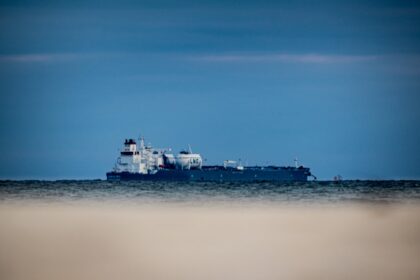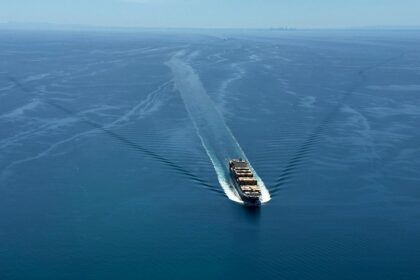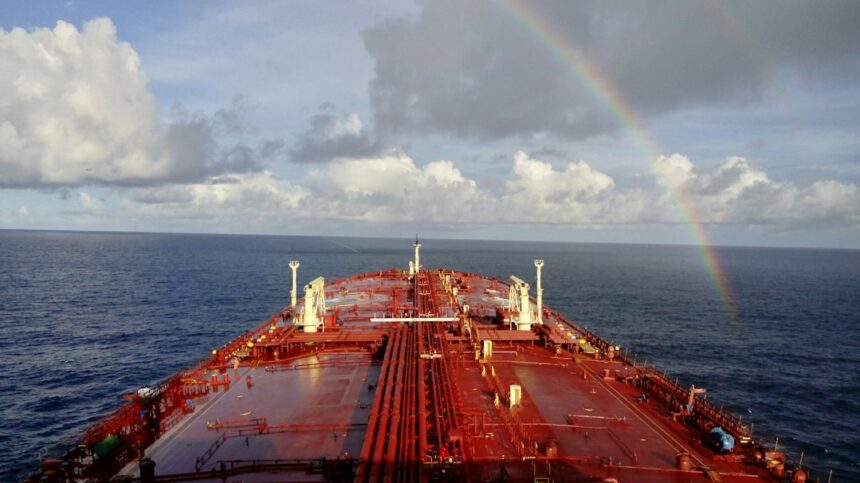
A growing number of very large crude carriers (VLCCs) are reversing their course away from the Persian Gulf as tensions escalate due to Iranian attacks. Recent tanker-tracking data indicates that at least 10 VLCCs and several Suezmax vessels heading toward the port of Fujairah in the United Arab Emirates have stopped or altered their routes in response to security concerns surrounding the Strait of Hormuz.
The Strategic Importance of Fujairah
Fujairah serves as a critical interim destination for vessels bound for the Gulf of Oman and onwards into the Persian Gulf. Tankers typically utilize Fujairah for ship-to-ship cargo transfers, which allows them to mitigate risks associated with navigating through the Strait of Hormuz. The considerable number of vessels approaching this hub often reflects the market’s confidence in transaction safety, serving as a barometer for operator sentiment regarding the regional security dynamics.
The substantial retreat of these tankers in light of the recent attacks raises fresh uncertainty about the sustainability of oil flows. As these VLCCs detract from their intended paths, the existing framework for oil exports, which has recently rebounded to levels seen prior to the conflict, is under threat. When large carriers are deterred from such key waypoints, it could lead to delays as shuttle tankers must operate longer amidst tightening availability.

Financial Implications for Operators
The current geopolitical landscape has led to skyrocketing shipping costs, with freight rates for transporting oil from the US to China reportedly surpassing the expenses associated with a rocket launch. This financial incentive emphasizes the high stakes of disruptions in the region, as fewer available tankers may exacerbate existing market constraints.
The logistical precepts that have underpinned the oil transfer operations in the region are now increasingly precarious. While some tankers persist in attempting the journey into the region, the level of risk perceived by operators grows as incidents of attacks continue nearing critical navigation routes.
Behind the Headline
The operational reality presented by the shift of supertankers away from the Persian Gulf underscores a significant impact on crude oil transportation protocols. For operators, this trend signals mounting concerns over safety and risk management, necessitating adjustments to operational strategies. With limited tanker availability already presenting challenges, this situation may lead to increased laytime and demurrage for charterers. The reliance on shuttle tankers to maintain consistent oil export flows complicates logistical planning, as extended waiting periods could further escalate shipping costs and disrupt supply chains. Monitoring developments in the Strait of Hormuz will be pivotal as industry stakeholders seek to navigate these heightened risks while maintaining market stability.