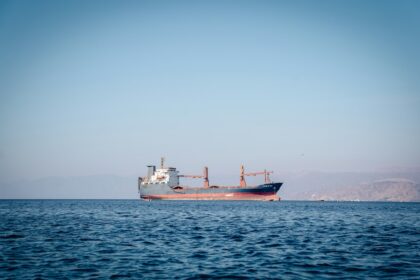
Dubai-based Emarat Maritime has significantly expanded its fleet by ordering six new LR1 product tankers from a Chinese shipyard. This latest venture entails the construction of vessels with a deadweight tonnage of 74,000 dwt, marking a strategic move to bolster its operational capabilities in the competitive global tanker market.
Details of the Order
The new orders bring Emarat Maritime’s total count of LR1 newbuildings to six. The first two tankers are scheduled for delivery in 2029, while the remaining four are set to join the fleet in 2030. This expansion aligns with the company’s objective to enhance its logistical operations and respond to evolving market demands.

Market Context
The decision to invest in additional product carriers reflects a broader trend in the shipping sector, where demand for refined oil transportation continues to increase. As the market adjusts to fluctuations in oil prices and regulatory changes, having a modern and versatile fleet can provide a competitive edge in securing time-charters and optimizing cargo handling.


Future Implications
The delivery of these LR1 vessels will enable Emarat Maritime to adapt to market dynamics more effectively. The addition of tanker capacity is particularly crucial as global trade patterns shift, especially in regions where rising energy demands push for more efficient transport solutions. Investors and operators will be closely watching the timelines for delivery and how these vessels are integrated into existing operations.
Behind the Headline
The acquisition of six new LR1 tankers underscores a strategic decision by Emarat Maritime to enhance its operational footprint in the product tanker market. With a focus on building a modern fleet, the company is positioning itself to meet future demands where ship efficiency and cargo versatility are paramount. This move highlights the importance of early investment in fleet modernization, especially as shipping regulations tighten and fuel efficiency becomes a critical competitive parameter. The delivery timeline will be crucial, as timely entry into service can affect market positioning and operational profitability.