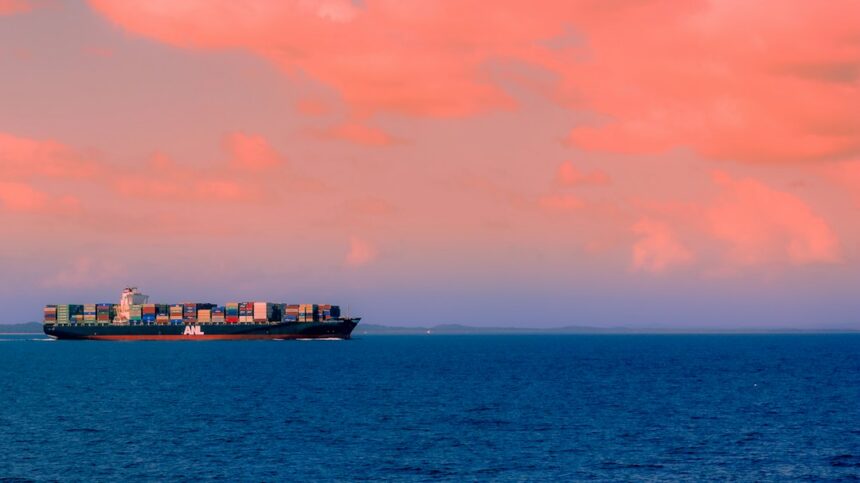
Matson has officially christened the Makua, the first of three new Aloha Class containerships, at Hanwha Philly Shipyard. This event marks a key development in Matson’s $1 billion fleet renewal program aimed at enhancing service capacity and efficiency across its Pacific routes.
Details of the Vessel
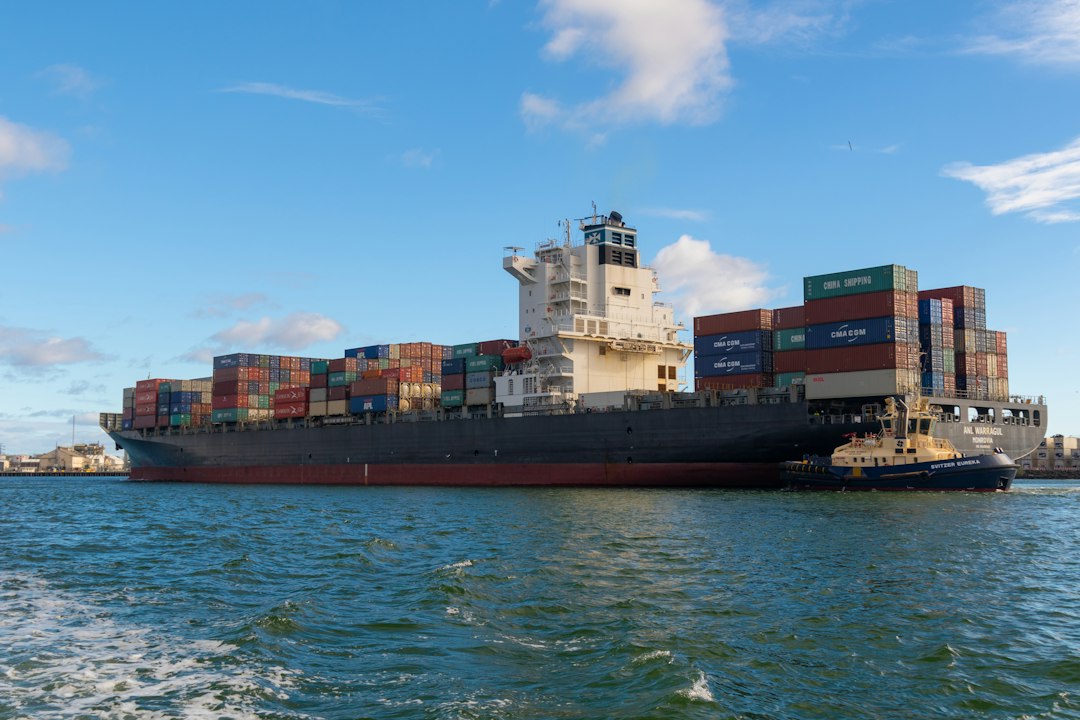
The Makua, measuring approximately 850 feet in length and boasting a capacity of 3,600 TEUs, is slated for delivery in the first quarter of 2027. It will be integrated into Matson’s existing networks servicing Hawaii and the China-Long Beach Express (CLX). The vessel is engineered for high performance, with a top speed nearing 24 knots, positioning it to uphold the fast transit times critical to Matson’s premium offerings.
Technological Features
Equipped with LNG-ready dual-fuel engines, the Makua is designed to be compatible with both traditional marine fuels and liquefied natural gas. This dual-fuel capability not only aligns with industry trends towards greener shipping solutions but also reflects Matson’s commitment to operational efficiency. The vessel will also feature advanced hull designs and a sophisticated freshwater ballast system, enhancing overall performance.

Pivotal Role in Shipbuilding
The christening ceremony took place on Saturday, October 10, attended by approximately 300 stakeholders, including shipyard workers, union officials, and key leaders from the maritime sector. Matson’s Chairman and CEO, Matt Cox, emphasized that the introduction of the new vessels is anticipated to bolster reliability and capacity while contributing to job creation within U.S. shipyards and providing opportunities for American mariners throughout their operational lifetimes. The Makua is complemented by two additional Aloha Class vessels, with deliveries scheduled for the third quarter of 2027 and the second quarter of 2028, respectively.
Behind the Headline
The christening of the Makua highlights the ongoing evolution of U.S. shipbuilding, particularly as South Korean conglomerate Hanwha expands its operations at Philly Shipyard. By investing in modern, eco-friendly vessels, Matson not only enhances its service offerings but also reinforces the importance of American shipbuilding expertise. Operators are likely to monitor the production timelines closely, as these ships will significantly influence competitive dynamics in the Pacific shipping market, particularly in high-demand routes to and from Hawaii. The successful execution of this fleet renewal could set a positive precedent for similar initiatives in the industry.