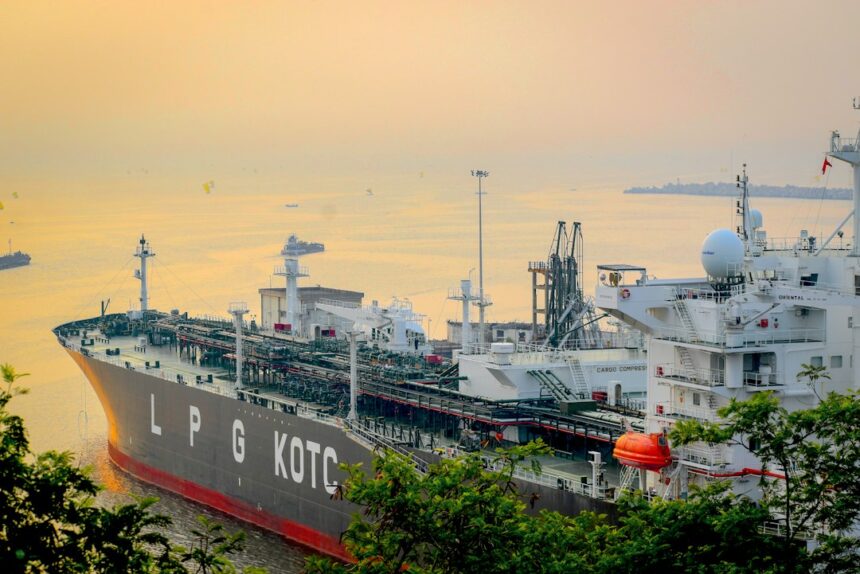
The rapid expansion of the LNG-fuelled fleet is met with increasing scrutiny regarding methane emissions, as new regulations come into effect. Data from SEA-LNG reveals that the LNG-fuelled fleet, including vessels in service and on order, surpassed 1,550 ships by mid-2026. This growth reflects a significant transition in the industry, as shipowners view LNG as a cleaner alternative to heavy fuel oil.
Regulatory Changes and Their Implications
With the implementation of the EU Emissions Trading System (ETS) on 1 January 2026, ships are now subject to regulations covering not only carbon dioxide (CO2) but also methane and nitrous oxide emissions. This marks a turning point, as operators are required to surrender allowances for 100% of their verified in-scope emissions. The timing aligns with heightened focus on greenhouse gases within the maritime context, as the FuelEU Maritime initiative incorporates methane slip into its greenhouse gas intensity calculations.
Measuring Methane Slip
Current estimates suggest that the expected methane slip rate for standard engines is set at 3.1%, yet independent studies indicate that this figure may not accurately reflect maritime realities. The International Council on Clean Transportation (ICCT) conducted the FUMES project, which found that the average methane slip for low-pressure dual-fuel four-stroke engines—widely used in the LNG fleet—was actually around 6.4%. This discrepancy presents a concerning challenge, as it affects the climate impact and regulatory compliance for numerous vessels.

Industry Responses and Technological Advances
In light of these challenges, several operators and manufacturers are taking proactive steps. Notably, MSC Cruises became the first cruise line to achieve independent verification of its methane slip for FuelEU purposes, with recorded values under the default assumption. Additionally, engine manufacturers like Wärtsilä report that their advanced technologies have led to a significant reduction in methane emissions from dual-fuel engines, achieving slips as low as 0.9%.
Behind the Headline
The growing LNG fleet represents a critical pivot for the shipping industry, aiming to comply with stricter environmental standards. However, the increasing recognition of methane slip highlights the complexities of transitioning to cleaner fuels. For operators, understanding and managing actual emissions levels will be essential not just for regulatory compliance but also for maintaining operational viability as environmental scrutiny intensifies. The industry’s focus must remain on optimizing engine performance and leveraging new technologies to mitigate emissions, ensuring that LNG’s promise as a bridge fuel does not falter amid growing environmental responsibilities.