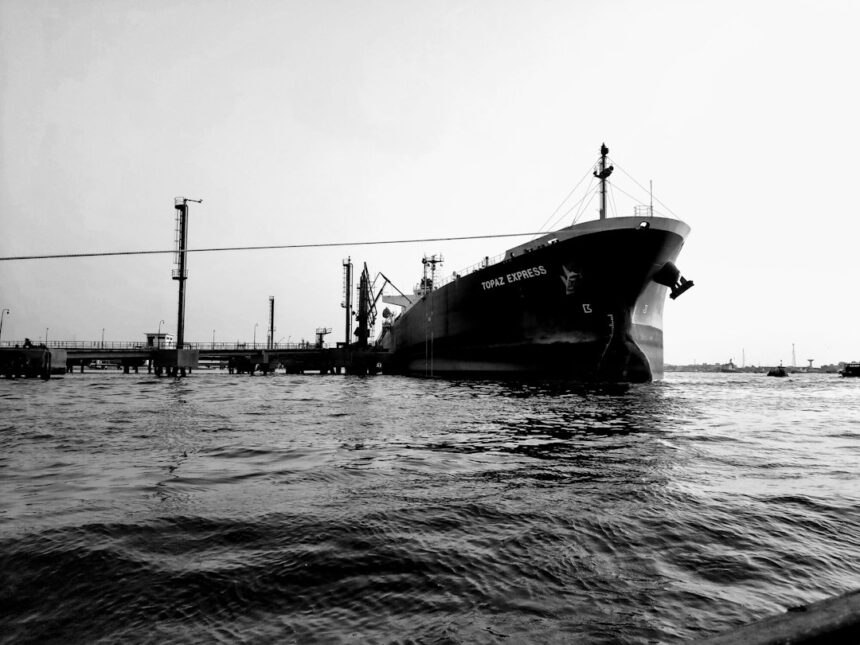
Saudi Arabia is actively negotiating long-term contracts for oil loadings outside the Strait of Hormuz as part of ongoing efforts to enhance its market share amidst the backdrop of the protracted regional conflict. These discussions, expected to conclude by the end of the year, may significantly alter the kingdom’s approach to crude oil exports.
Impact of Ongoing Conflict
With the conflict now in its eighth month, conventional oil shipping routes have faced substantial disruption, prompting major Gulf exporters to adapt. The existing method employed by Saudi Arabia has involved shuttling crude oil through Hormuz, where operators often undertake the risk of passage, transferring cargoes to other vessels outside the strategic waterway. This technique has become vital for maintaining supply amidst heightened competition for buyers.
Saudi Aramco, the state-owned oil giant, is considering various strategic changes, including potential pricing benchmarks that could favor Brent futures over traditional Dubai and Oman indices. The private discussions between Aramco and its customers suggest a shift towards a more flexible pricing model that aligns with customer preferences.


Operational Adaptations
The traditional process where customers arranged their own vessels to collect oil from the Ras Tanura export terminal has been complicated by increased hesitance among shipowners to utilize routes through Hormuz. This reluctance has driven Saudi Aramco to facilitate ship-to-ship transfers, allowing some customers to bypass the strait altogether, even extending operations as far as the coast of India for enhanced safety.
The shuttling system has become a critical method for delivering Arab Light, Medium, and Heavy grades of oil, and it has been adopted by neighboring Gulf states as well. As additional discussions continue regarding operational logistics, including the potential for more direct deliveries to Asian customers, Saudi Aramco is likewise reassessing freight arrangements to alleviate the challenges posed by rising shipping costs.
The Operational Read
The strategic moves by Saudi Arabia underscore a significant operational shift in oil logistics amid regional instability. By formalizing alternative delivery routes and engaging in long-term contracts, Saudi Aramco aims to maintain reliability and competitiveness in a volatile market. Operators need to monitor these developments closely, as the implementation of long-term contracts and the introduction of new pricing benchmarks could create ripple effects across the global oil supply chain. Future adjustments will likely influence tanker utilization patterns and pricing structures, warranting a proactive approach from shipping entities navigating this evolving landscape.