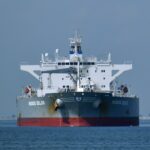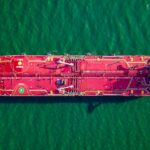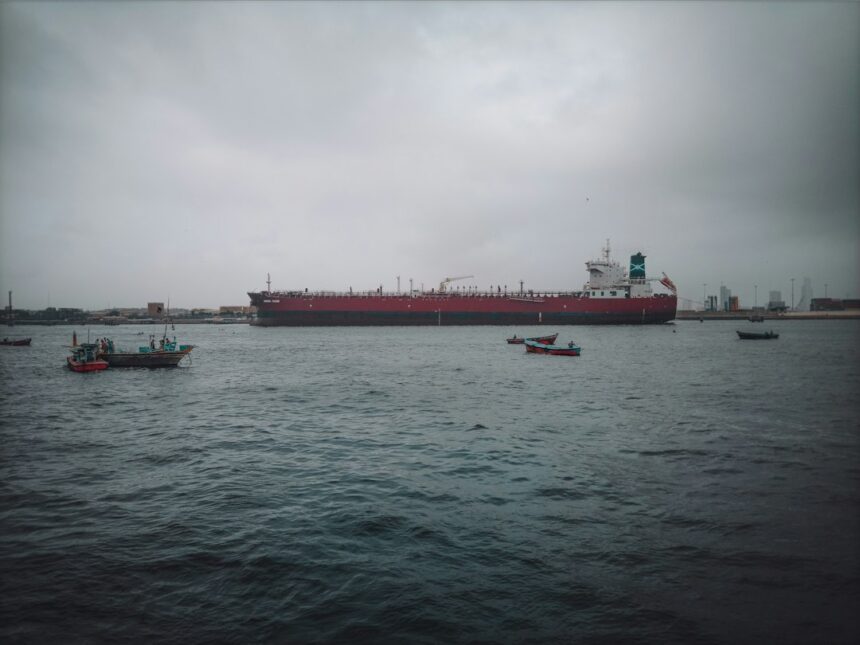
The security environment in the Strait of Hormuz has significantly worsened, marked by a series of recent tanker attacks and threats from Iran’s Islamic Revolutionary Guard Corps (IRGC). UK Maritime Trade Operations (UKMTO) reported these incidents this past weekend, illustrating the ongoing peril for commercial shipping in this vital maritime corridor.
The Recent Attacks
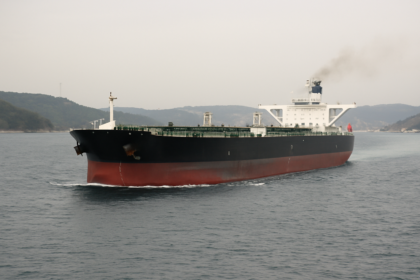
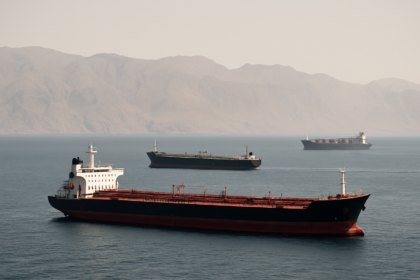
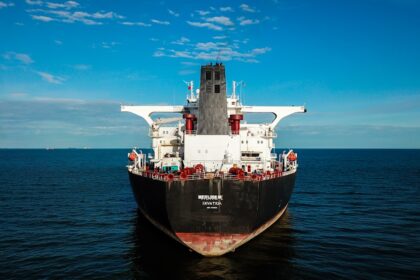
According to UKMTO advisories, multiple tankers faced assaults throughout the weekend, with at least three separate reports of vessels struck by unknown projectiles. An LPG tanker was hit on October 4 at 1716 UTC, followed by a crude oil tanker at 1907 UTC on the same day. Furthermore, another crude oil tanker sustained damage during an October 3 transit. The exact details of this latter incident remain unclear; it may reflect either a previously unreported event or coincide with earlier documented attacks. The lack of real-time reporting complicates the ability to ascertain current and accurate threat levels in the Strait.
IRGC’s Influence
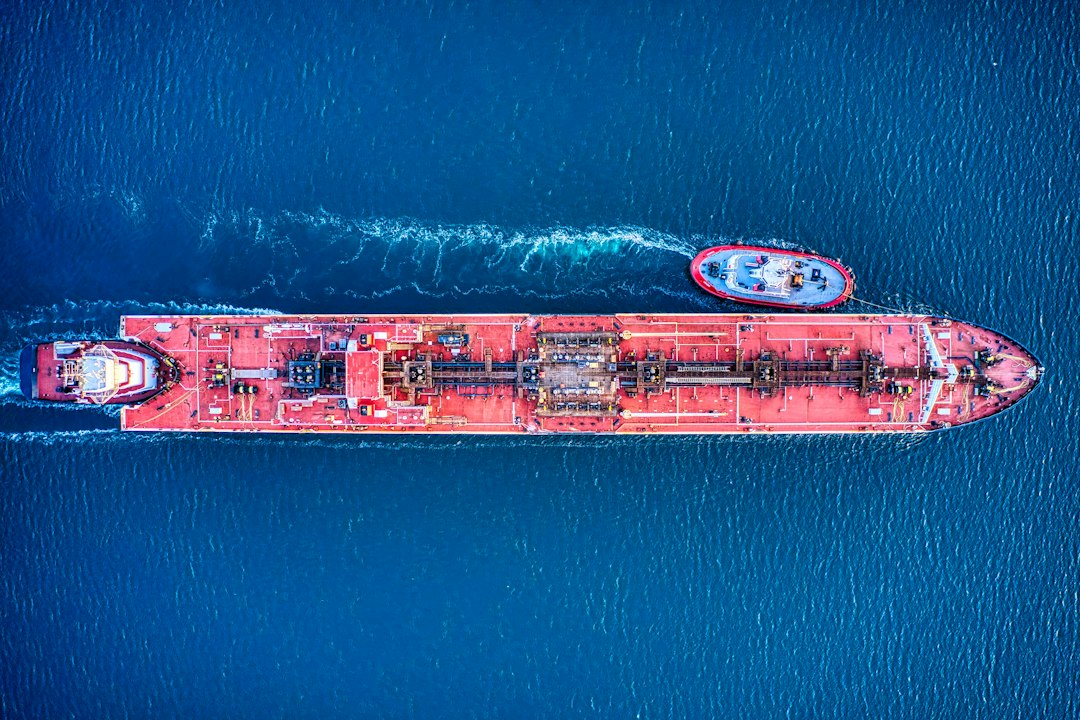
Adding to these incidents, a tanker about 11 nautical miles north of Khasab, Oman, reported that the master was contacted by the IRGC and instructed to turn away or face potential targeting. The vessel complied with the warning, showcasing how Iranian forces are actively utilizing threats to influence navigation decisions in this key shipping lane. The IRGC’s persistent activities, including drone overflights and vessel harassment, underline an ongoing strategy to exert pressure on maritime traffic, despite the heightened U.S. naval presence intended to safeguard commercial interests.

Additionally, a tanker was reportedly observed near Al Mukha, Yemen, witnessing explosions in the vicinity on October 4, although this incident resulted in no reported casualties or environmental damage.
The Broader Context
The string of assaults comes against a backdrop of increased shipping risks, including a noted rise in attacks documented last week. The Joint Maritime Information Center (JMIC) reported four confirmed incidents during early October, highlighting that threats remain prevalent even with diminished commercial traffic through the Strait. The consistent pressure from Iranian forces signals a strategic approach aimed at asserting control over crucial transit routes.
The Operational Read
The escalation of attacks within the Strait of Hormuz presents a significant operational concern for commercial shipping entities. With rising tensions, operators must reassess their risk management strategies, including potential rerouting decisions and increasing security protocols. Vessel owners and charterers should remain vigilant, as the operational realities dictate that transit through the Strait may involve heightened security measures and potential delays due to ongoing maritime threats. Future developments will need close monitoring, as the interplay between aggressive actions by Iranian forces and the response from the U.S. and allied naval forces will influence operational decisions moving forward.