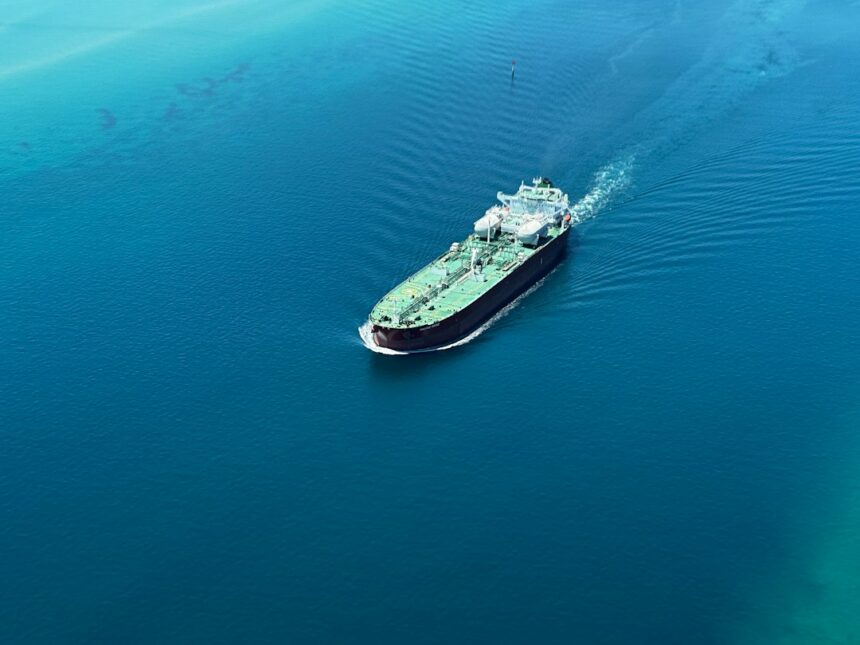
The HyShip project marks a significant advancement towards zero-emission shipping across Europe with the introduction of the SeaShuttle container vessels. Supported by EU funding and the Clean Hydrogen Partnership, this initiative is designed to create an end-to-end liquid hydrogen ecosystem linking production, port infrastructure, and vessel operations.
The Initiative
HyShip’s main goal is to establish a fully operational shipping corridor between Oslo and Rotterdam. Currently under development by project partner Samskip in the Netherlands, the two hydrogen-powered SeaShuttle vessels aim to commence commercial operations in the second quarter of 2027. These vessels are engineered from the ground up for freight transport, eliminating carbon emissions in the process.
Technological Integration
The vessels will be equipped with a total of 32 Ballard FCwaveTM 200 kW fuel cell engines, collectively producing 6.4 MW of zero-emission power. By utilizing green hydrogen, each vessel is projected to decrease CO2 emissions by approximately 25,000 tonnes per year. This ambitious project plans to gather more than 3,000 hours of real-world operational data across an 18-month period, focusing on various aspects such as sailing performance and port operations.


Infrastructure Development
Safe and efficient infrastructure for bunkering is a critical component of the HyShip mission. LH2 Shipping, a consortium partner based in Norway, is spearheading the design and operation of a port bunkering system to facilitate the transfer of liquid hydrogen from shore to ship. This capability will not only support the SeaShuttle vessels but also lay the groundwork for broader adoption of hydrogen as a shipping fuel.
HyShip’s success has implications extending beyond mere vessel operation. By generating operational insights and safety standards, the project aims to set a precedent for replicating hydrogen-powered shipping across various European short-sea routes. Tore Boge, Head of EU Projects at Maritime CleanTech, emphasizes the importance of collaboration in the project, stating that it builds confidence in liquid hydrogen as a viable maritime fuel and aids in aligning stakeholders for future investments.
Why It Matters
The HyShip initiative could transform market perceptions of hydrogen as a shipping fuel by demonstrating its viability in regular, high-frequency freight services. By generating essential data on vessel performance and establishing safety protocols, it addresses critical barriers to wider adoption. This project represents a collaborative effort vital to laying the groundwork for future regulatory frameworks and business models in the zero-emission shipping landscape, ultimately serving as a key step toward achieving sustainability targets within the maritime industry.