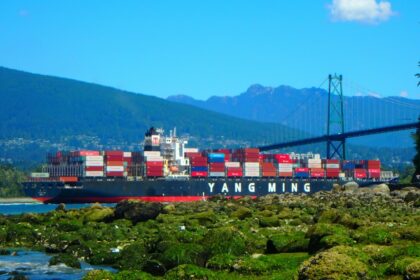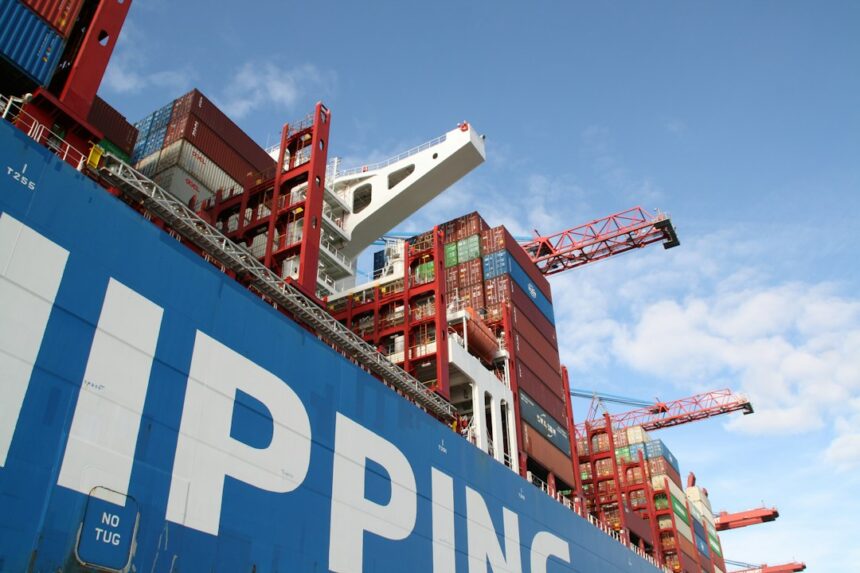
The U.S. administration has officially extended the suspension of port fees for Chinese-built and Chinese-operated vessels for an additional two months, now set to last until 11:59 p.m. Eastern Time on January 9, 2027. This decision, published by the Office of the United States Trade Representative (USTR), enables shipping companies to avoid paying these maritime transport fees, which were established under the administration’s Section 301 investigation addressing China’s dominance in maritime and logistics sectors.
The original suspension, initiated in April 2025, was part of a broader effort to counter China’s influence in global shipbuilding and maritime transportation. It was contingent upon a trade deal reached in November 2025 between President Trump and President Xi Jinping. The extension prevents the re-imposition of the fees and allows for continued negotiations aimed at resolving longstanding trade tensions.
Impact on Shipping and Negotations
The latest suspension comes as discussions continue between the U.S. and China, with USTR noting that the justifications for the original suspension remain relevant. Supporters of the extension argue that maintaining the fee suspension helps prevent increased shipping costs and operational disruptions, while also granting more time for negotiations. Approximately 60 public comments were received regarding the proposal to extend the suspension, with many favoring it for economic stability.


However, critics caution that extending the suspension could diminish the incentive to invest in American shipbuilding. Concerns are growing that prolonged suspension of these fees may allow China’s preeminence in the vessel market to strengthen further, potentially threatening U.S. maritime industry interests.
Future Considerations
Despite the ongoing suspension, USTR has reiterated that revitalizing the American shipbuilding sector remains a priority. Ongoing strategies are anticipated to include engagements with allies to bolster U.S. maritime capabilities. The USTR indicated that monitoring of China’s shipping practices would continue, with future decisions on whether to extend or reinstate the fees being made before the January 10, 2027 deadline.
China has also mirrored the U.S. decision by extending its own suspension of retaliatory fees on vessels linked to U.S. operators, a move reported by Reuters. This bilateral development suggests a complex landscape for maritime logistics, with both nations navigating a path toward possible cooperation or further escalation in the trade relationship.
Behind the Headline
The extended suspension underscores the ongoing tension in U.S.-China trade relations, particularly concerning maritime logistics. While shipping operators may welcome the short-term alleviation of port fees, the long-term implications for the American shipbuilding industry warrant close examination. With China’s maritime market dominance a lingering concern, the U.S. administration faces pressure to balance immediate economic benefits against the need to secure and enhance domestic maritime capabilities. Stakeholders should monitor the developments leading up to the January deadline for potential changes in policy that may arise depending on the status of negotiations.