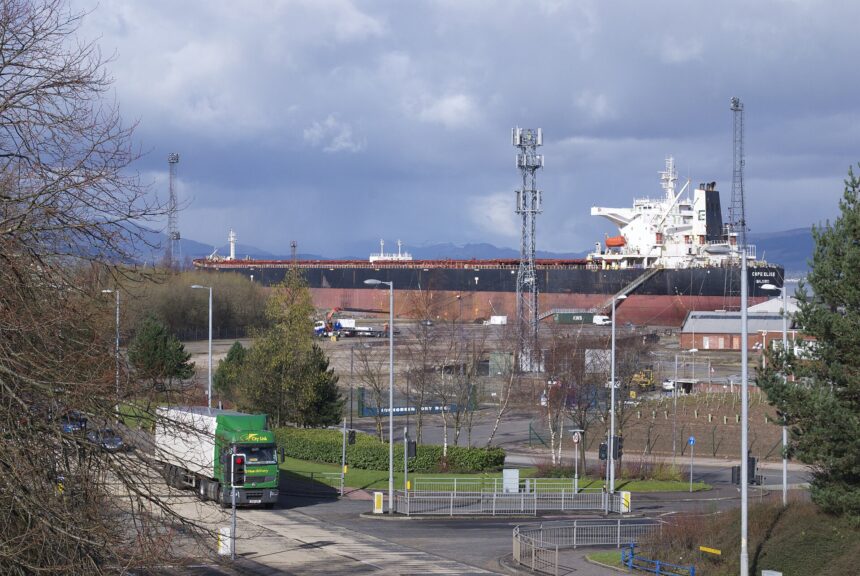
The maritime community faces heightened risks from ongoing regional tensions, particularly following a fatal incident involving the bulk carrier Cape Dao in the Strait of Hormuz. The vessel, flagged under Antigua and Barbuda and constructed in 2002, was struck while navigating the strait, resulting in the tragic death of one crew member.
The incident occurred at approximately 0630 UTC, off the coast of Oman’s Musandam peninsula. This event has alarmed many in the shipping industry, further complicating operations in an already volatile region.
The Context of the Incident
Maritime operations in the Strait of Hormuz are critical, with over 20% of the world’s oil trade passing through this strategic waterway. The presence of maritime threats has grown significantly, necessitating heightened vigilance among commercial operators. The UK Maritime Trade Operations reported the incident, spotlighting the persistent dangers that vessels face as they transit this vital chokepoint.

Operator and Market Reactions
The implications of this incident extend beyond the immediate tragedy, potentially affecting market dynamics and operational protocols. Shipping lines navigating the region may need to reassess their routes and security measures to ensure the safety of their crews and protect vessels from further incidents. Increased laytime due to security-related delays could become a common issue, impacting overall operational efficiency.
Why It Matters
This incident highlights the pressing risks that maritime operators encounter in politically sensitive regions such as the Strait of Hormuz. The operational realities indicate a need for enhanced security assessments and potential redesign of route strategies to avoid conflict zones. As geopolitical tensions persist, crew safety must remain a priority, and operators should stay abreast of developments in risk mitigation protocols. The evolving landscape may compel the shipping industry to adapt swiftly to maintain operational viability and protect seafarers during such critical transits.