On Friday, President Donald Trump signed into law a significant sanctions bill targeting both Russia’s oil trade and the tanker fleet supporting its operations. The Lindsey O. Graham Sanctioning Russia and Iran Act of 2026 aims to expand statutory sanctions, tariffs, and prohibitions against Russia while also extending existing measures against Iran.
Overview of the Sanctions
The legislation specifically focuses on constraining Moscow’s oil export capabilities. As oil remains a critical revenue source for the Kremlin, restrictions are expected to intensify pressure on the Russian economy. In tandem, the extension of sanctions against Iran continues to complicate an already challenging environment for shipping operators who navigate these politically charged waters.
Operational Impact on Shipping
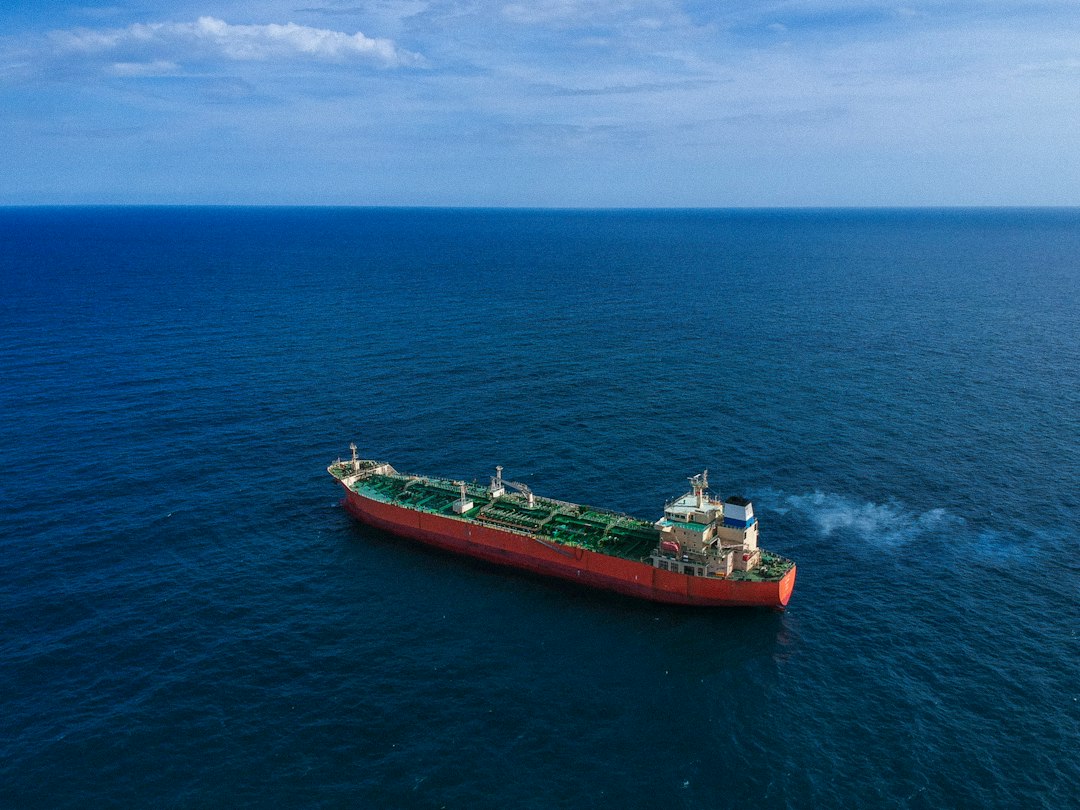
With expanded sanctions, tanker operators must carefully evaluate their compliance programs. The push for increased scrutiny means that vessels involved in the transportation of oil from Russia may face legal repercussions under U.S. law. Furthermore, the shipping community is likely to see heightened due diligence requirements from charterers and financial institutions, leading to a potential increase in costs related to operational compliance.

Response from the Shipping Industry
Industry leaders are urged to reassess their current operational strategies, including route optimization and contractual obligations. The uncertainty spurred by sanctions may encourage some shipping companies to minimize their exposure to Russian and Iranian oil, as the potential for penalties could outweigh the financial gains from these operations.
Behind the Headline
The enactment of the Lindsey O. Graham Sanctioning Russia and Iran Act of 2026 highlights the increasingly complex regulatory environment impacting global shipping routes. Operators must navigate enhanced regulations while balancing market demands. Stakeholders should watch for updates on compliance measures and assess their exposure to regions affected by geopolitical tensions. The legislation’s repercussions may lead to shifts in tanker deployments and route planning, reflecting a reconfiguration in the market landscape.