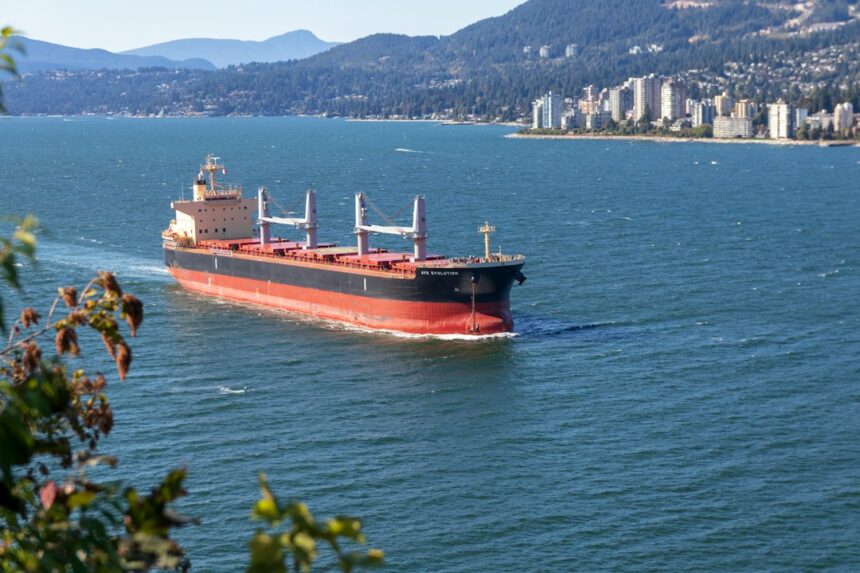
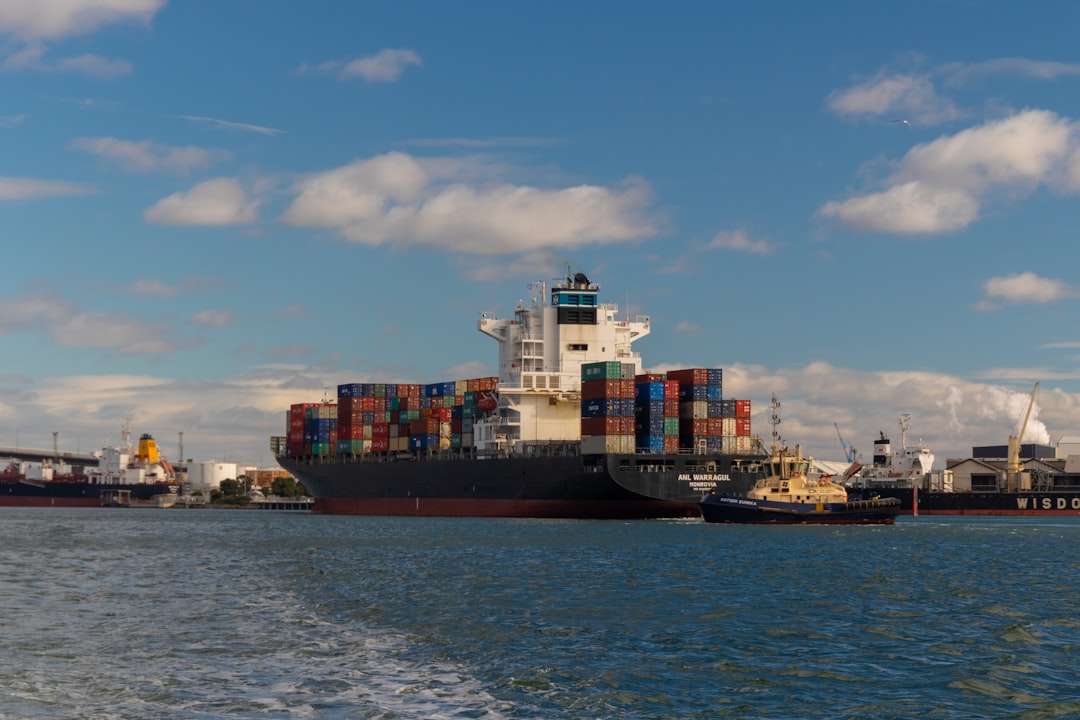
The ongoing trade tensions between the United States and Canada are increasingly affecting maritime operations in the Great Lakes region, particularly at the Port of Duluth-Superior. As tariffs imposed by the US disrupt established trade routes, shipping traffic has demonstrated a marked decline, with total vessel arrivals down 23% through August compared to the previous year.
Impact on Shipping Volumes
Statistics show that visits from US-flagged ships have decreased approximately 19%, while Canadian vessel traffic has decreased by 37%. This is compounded by a significant drop in coal volumes, which are set to reach a historic low of just 500,000 tons this year, a drastic decline from 4.7 million tons in 2025. The closure of a coal terminal is attributed to some of this decrease, but falling demand and diminished iron ore shipments have played critical roles as well.
Regional Economic Concerns
Shipping operators and local authorities, including Kevin Beardsley from the Duluth Seaway Port Authority, express growing concerns about the economic ramifications of these tariffs. With Canadian steel producers facing challenges stemming from US tariffs, the effects have rippled through related sectors, jeopardizing supply chains that hinge on cross-border waterborne transport.

The overall dynamics of cross-border trade are under scrutiny as officials from both nations signal a willingness to explore negotiations that could alleviate the pressures currently facing the industry. Recent comments from President Trump suggest potential for upcoming discussions, although the situation remains fluid.
Shipping Operators Adapt
Operators in the region are tasked with navigating these challenges and adapting to the current environment while seeking to maintain operational efficiency. The delay or uncertainty in negotiations could lead to further shifts in shipping patterns, potentially involving rerouting cargo or exploring alternative supply chains, as industries seek to mitigate disruptions.
Behind the Headline
The substantial drop in traffic and cargo volumes at the Port of Duluth-Superior underscores the sensitivity of maritime operations to geopolitical developments. Given that approximately 200 million tons of cargo traverse the shared waterways of the US-Canada border each year, operators must keep a close watch on trade negotiations that may influence both tariff dynamics and shipping demand. As regional economies seek solutions, the interplay between shipping logistics and political decisions will remain a critical focus in maritime strategy moving forward.