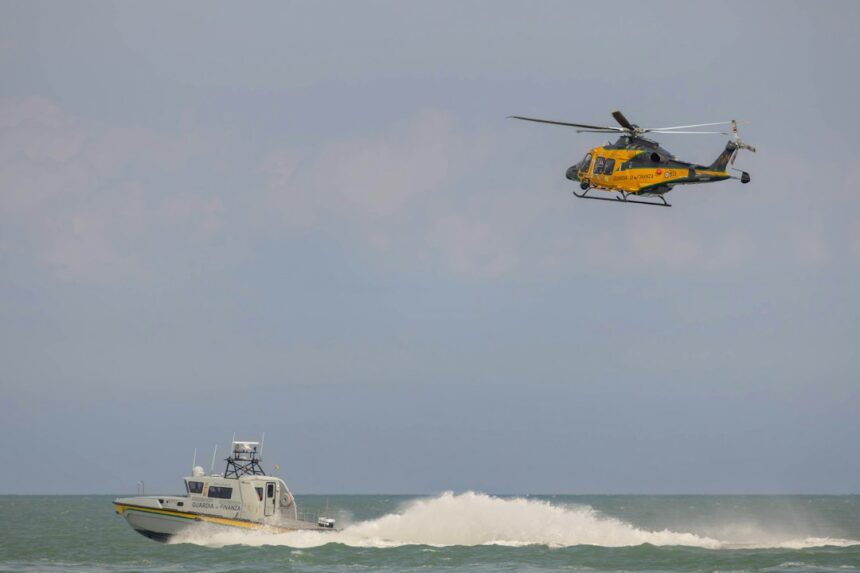
Finnish authorities conducted a live maritime security drill on Thursday, September 17, targeting a vessel in the Gulf of Finland as part of their proactive measures against undersea sabotage. This exercise is a direct response to increased threats to critical underwater infrastructure in the Baltic Sea region since the onset of the Ukraine conflict in 2022.
The Exercise Details
During the exercise, a coordinated effort among the coast guard, police, and armed forces was evident as masked officers fast-roped from a helicopter onto the deck of the targeted vessel. The operation involved securing the crew and methodically searching the ship, assessing potential threats to underwater installations. Coast Guard Commander Ilja Iljin, overseeing the drill, emphasized its significance in light of recent incidents involving damage to power cables, telecom lines, and gas pipelines.
Growing Threats in the Baltic Region
The Baltic region has witnessed multiple incidents of infrastructure damage attributed primarily to maritime activity, which has raised alarms about vulnerabilities to critical national assets. Iljin noted that Finland considers this ongoing threat landscape to be “the new normal.” In the past two to three years, the country has adopted a more vigilant posture, learning from previous occurrences where the first identified suspect ship managed to evade interception.


With the latest exercises, authorities have honed their capabilities, allowing them to swiftly react to emerging situations. Chief Inspector Juha Hietala from the police’s special intervention unit reported that officers can mobilize within an hour of detection, highlighting the enhanced preparedness.
Future Preparedness and Border Control Measures
While most incidents have been linked to vessels dragging anchors, the Finnish government is also gearing up for more sophisticated sabotage tactics, such as underwater divers, mini-submarines, or remotely operated vehicles equipped with explosives. There is an ongoing initiative to grant the Border Guard, including coast guard units, broader powers to stop and inspect ships suspected of engaging in illicit activities, including those flagged under false pretenses.
The Operational Read
This operational drill underscores a critical shift in maritime security strategies within the Baltic Sea, reflecting heightened vigilance due to geopolitical tensions. For shipping operators, the realization of potential threats from both state and non-state actors demands a comprehensive review of safety protocols and risk management strategies. Future inspections and response times could become pivotal as authorities strengthen partnerships with maritime companies to safeguard critical infrastructure. Continuous updates on regulatory measures and operational strategies will be crucial for navigating the challenges posed by both sabotage and accidental incidents in this vital maritime corridor.