A U.S.-contracted vessel carrying American personnel was targeted in an Iranian drone and missile attack near the Strait of Hormuz earlier this week.
The attack involved four Iranian drones and at least one missile, which struck the vessel, causing minor injuries such as smoke inhalation among the crew. The injured personnel were subsequently evacuated to an undisclosed Gulf country for medical treatment. While some U.S. personnel were reported to be onboard, details about the vessel, including its name, operator, flag, and the specifics of its contract with the United States, remain undisclosed.
The Context of Increased Hostility
This incident occurs within a backdrop of heightened tensions in the Strait of Hormuz, a strategically vital chokepoint for global shipping. Despite U.S. efforts to facilitate safer transit routes for commercial vessels, activity through the strait has not normalized, as shipping companies express reluctance to enter the area due to ongoing threats.


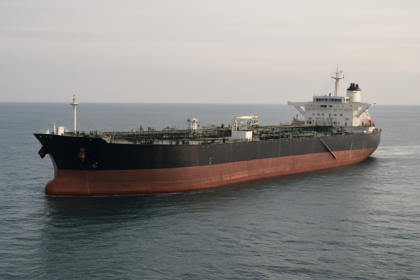
The attack is reportedly separate from the recent missile strike on the tanker El Gaia, which was also targeted near the strait and remains under tow toward Oman. The ongoing conflict has seen Iranian forces repeatedly strike commercial vessels and U.S. military assets in the region as the U.S. countered with strikes against Iranian military positions.
Implications for Maritime Operations
As operational conditions continue to deteriorate, vessel operators must remain vigilant about potential threats while navigating the Strait of Hormuz. The presence of American personnel on the attacked vessel marks a significant escalation of the risks involved, raising the stakes around U.S.-contracted operations in a region that has seen increasing hostility.
This attack further complicates the already uncertain environment for shipping operations, emphasizing the need for robust security measures and risk assessments when transiting these waters. Operators need to consider alternative routes and enhanced security protocols moving forward as incidents of this nature may deter a return to regular shipping patterns through the strait.
The Operational Read
For maritime operators, this latest attack underlines the unpredictable security landscape at one of the world’s most vital shipping routes. The presence of U.S. personnel aboard the attacked vessel heightens operational risks and may lead to increased scrutiny of commercial transits. Companies must enhance their situational awareness and engage in collaborative defense strategies where possible. The incident will likely provoke further military and diplomatic responses, and operators should prepare for potential disruptions in transit plans through the Strait of Hormuz while monitoring developments closely.