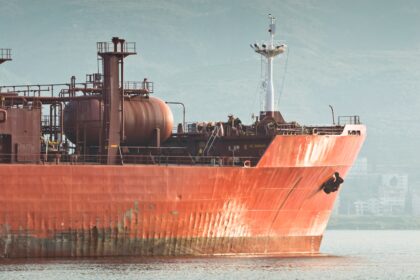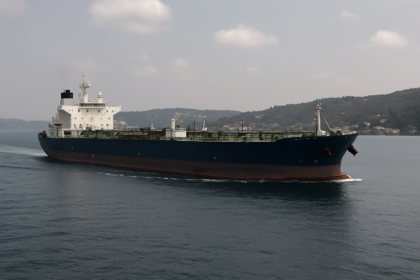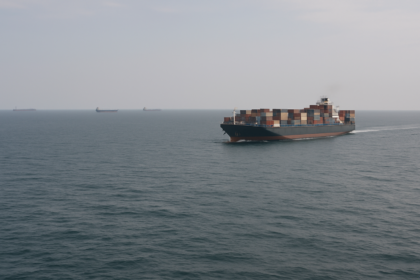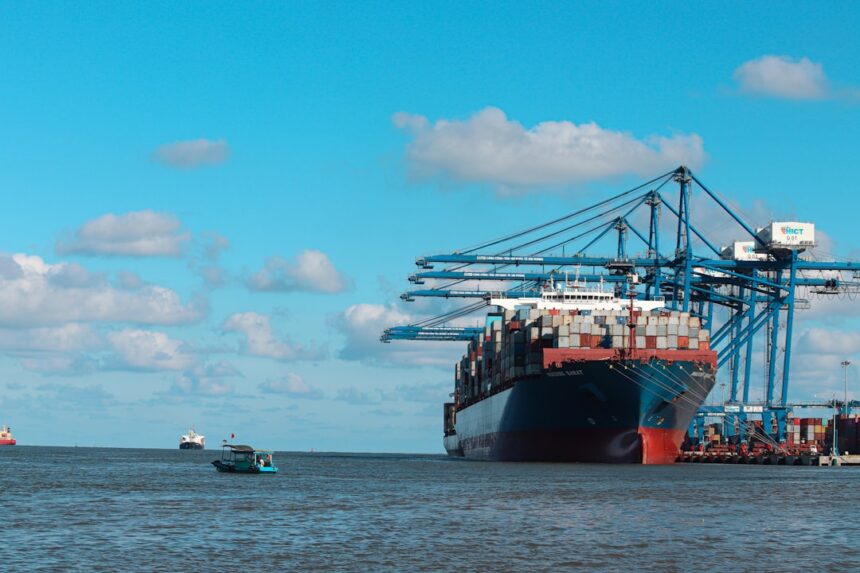
Recent escalations in violence around key shipping chokepoints have led to urgent concerns for maritime security in the Middle East. On Sunday, two commercial vessels were attacked, including the Panama-flagged product tanker El Gaia, which was struck off the coast of Oman. This follows the shutdown of Saudi Arabia’s critical East-West oil pipeline and the advancing presence of Houthi forces in the Bab el-Mandeb Strait, heightening risks for shipping operations in the region.
The Incident
The attack on El Gaia is part of a worrying trend affecting commercial shipping in the Middle East. Recent reports reveal that the frequency of such incidents is escalating, prompting operators to reconsider the safety of these vital routes. The strategic significance of both the Strait of Hormuz and the Bab el-Mandeb cannot be understated, given that they are essential arteries for global oil transportation.
These developments come at a time when maritime operators are grappling with an already complex operational landscape, shaped by geopolitical tensions and rising security threats.


Market Impact
The ongoing violence is not only a humanitarian concern but also has significant implications for the shipping industry. The closure of Saudi Arabia’s East-West pipeline, which plays a crucial role in the transit of oil, may necessitate longer shipping routes via the Strait of Hormuz. This change may lead to increased transit times, operational costs, and potential demurrage for vessels forced to reroute.
Furthermore, the impact on shipping logistics could aggravate already strained supply chains. Operators must now consider heightened risk premiums for transiting these regions, as well as the possibility of diverted cargo flows. The ensuing volatility could lead to an adjustment in charter party agreements as firms seek to mitigate risks associated with delays and rerouting.
Operator Response
In light of these recent developments, shipping operators are likely to enhance risk assessments and review existing maritime strategies. Increased vigilance will be crucial, as operators evaluate the adequacy of security measures in place for their vessels. Some may consider employing naval escorts or alternative routing options, which could come with additional costs but are necessary for ensuring safety.
Industry stakeholders are urged to stay informed on the evolving situation, as the geopolitical climate continues to change rapidly and presents ongoing challenges to maritime operations in the region.
The Operational Read
The current climate in the Middle East presents significant operational challenges for shipping lines, particularly those reliant on the Strait of Hormuz and Bab el-Mandeb for transit. The rise in attacks necessitates a reevaluation of existing protocols regarding vessel security and routing. Key considerations for operators will include the adoption of enhanced monitoring systems and evaluating insurance coverages that address the increased risks. Watching for international responses and potential military interventions may also shape strategic decisions in the near term, as these factors will determine both immediate operational viability and long-term shipping patterns.