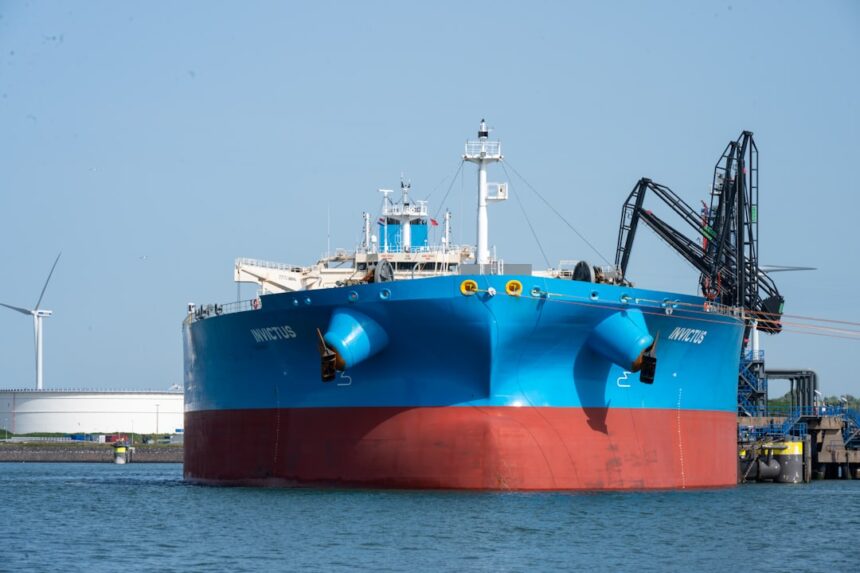
QatarEnergy has successfully navigated the LNG carrier Al Marrouna through the Strait of Hormuz with its Automatic Identification System (AIS) activated, marking a significant event after nearly six weeks of restricted navigation patterns by commercial vessels due to regional tensions. The vessel is now headed to Pakistan’s Port Qasim, demonstrating the ongoing energy trade commitments despite a challenging operational landscape.
The Strategic Significance
The Strait of Hormuz is a vital maritime chokepoint, facilitating the transit of a substantial portion of the world’s LNG supply. With rising geopolitical tensions in the area, many vessels opted for dark-mode navigation, disabling AIS transmissions as a precaution against potential threats. QatarEnergy’s decision to operate Al Marrouna openly could be perceived as a statement of confidence in maritime security or a strategic move to signal safety. Observing how other operators respond to this transit may offer insights into the evolving security dynamics in the region.
Market Observations
The decision to transit with AIS activated aligns with QatarEnergy’s ongoing commitment to maintain stability in its supply chains. The vessel’s successful passage may influence other carriers to reconsider their navigation strategies and operational protocols. As tensions fluctuate, any substantial alteration in navigation practices could have broader implications on shipping schedules and energy supply routes, especially for LNG. Stakeholders monitoring the flow of traffic through this critical channel will be keenly observing subsequent shipping movements following this event.

The Operational Read
Operationally, the open transit of Al Marrouna highlights a critical juncture for maritime navigation in high-risk areas. Operators may find themselves reassessing risk thresholds and decision-making criteria related to security protocols. Factors such as increased shipping premiums and the possible resumption of regular AIS navigation patterns could emerge, depending on the security situation. This evolving operational landscape necessitates continuous vigilance among operators, crews, and charterers as they navigate the complexities of transporting LNG through one of the world’s most strategic maritime corridors.