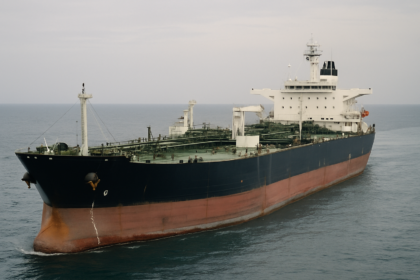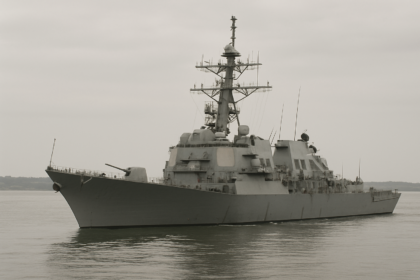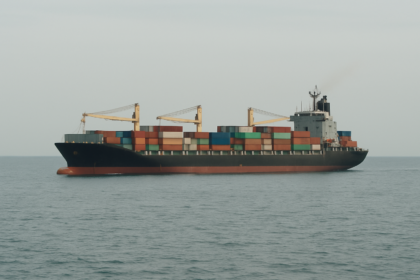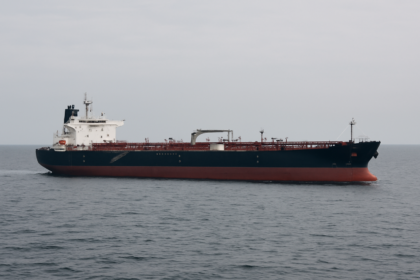
Iran and Oman have engaged in discussions regarding the management of the Strait of Hormuz, aiming to establish a temporary navigational corridor. This initiative comes against a backdrop of nearly six months of conflict, greatly affecting maritime operations in this vital waterway. Oman’s Foreign Minister, Badr Albusaidi, expressed optimism about a potential announcement soon regarding practical arrangements to restore safe navigation in the strait, which previously accounted for one-fifth of global oil and liquefied natural gas shipments.
The Current Situation
Since the onset of tensions in February, the number of vessels transiting the strait has dramatically decreased due to blockades imposed by both Iran and the United States. This has led to a significant standstill in shipping activities in one of the world’s most critical maritime chokepoints. Iran has expressed its commitment to clear mines within the proposed corridor, indicating readiness to facilitate the movement of ships.
The ongoing talks follow a series of sanctions imposed by the U.S. aimed at pressing Iran economically while simultaneously threatening penalties against countries maintaining trade relations with Tehran. Despite these sanctions, Iran continues to assert its influence in the region, notably with the recent announcement of a blacklist affecting 45 vessels, aimed at curbing ship-to-ship transfers that facilitate the evasion of its blockade.

Market Reactions
The global oil market has reacted to the ongoing geopolitical uncertainties. Following reports of renewed efforts to mediate an end to hostilities, oil prices declined significantly, dropping more than $2 a barrel, indicating market sensitivity to developments in the strait. The decline represents a three-day losing streak, as stakeholders remain cautious about potential disruptions in supply stemming from regional tensions.
Meanwhile, the U.S. has indicated signs of a strategic shift as it begins to restore personnel to some diplomatic missions in the Middle East, reflecting a perceived decrease in immediate threats from Iranian hostilities. Secretary of State Marco Rubio clarified that no new military strikes are planned for the time being, suggesting a pivot toward diplomatic channels for addressing the ongoing conflict.
The Operational Read
The proposed temporary navigational corridor through the Strait of Hormuz is a significant development for the maritime industry, particularly for operators reliant on this key route for cargo transit. The potential for restored access could alleviate pressures stemming from the current blockade and enhance operational fluidity in shipping. However, operators must remain cautious, as ongoing sanctions and geopolitical tensions could abruptly alter navigation protocols. As the situation evolves, shipping companies should monitor announcements closely, particularly concerning mine clearance and the Iranian blacklist, which may impact vessel selection and charter agreements in the near term.